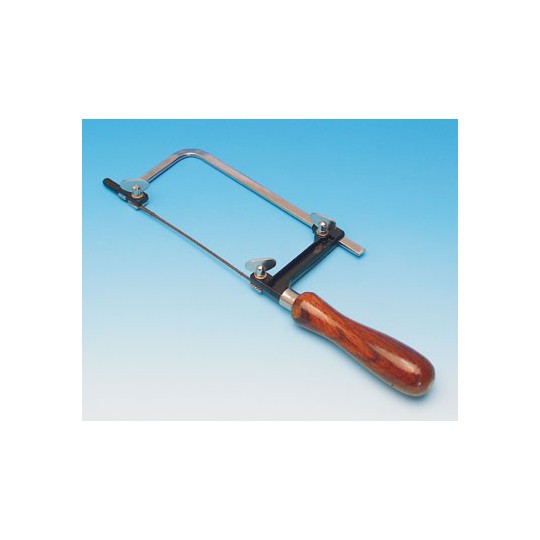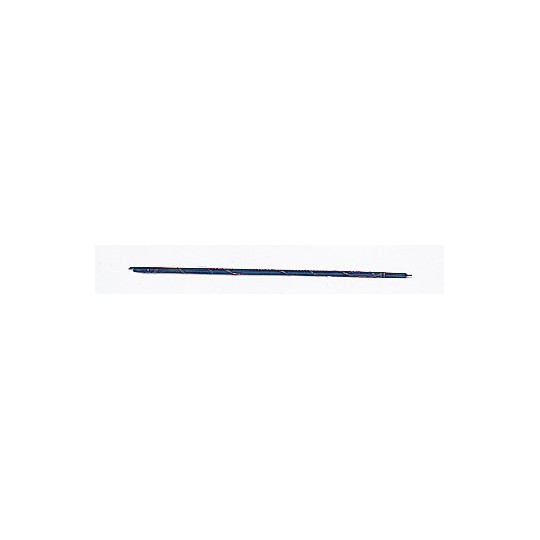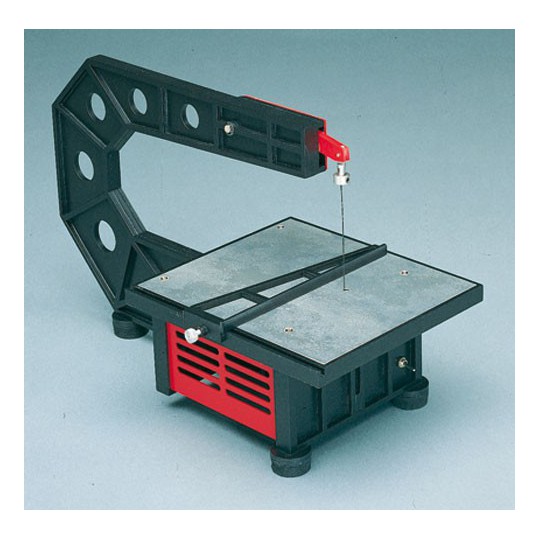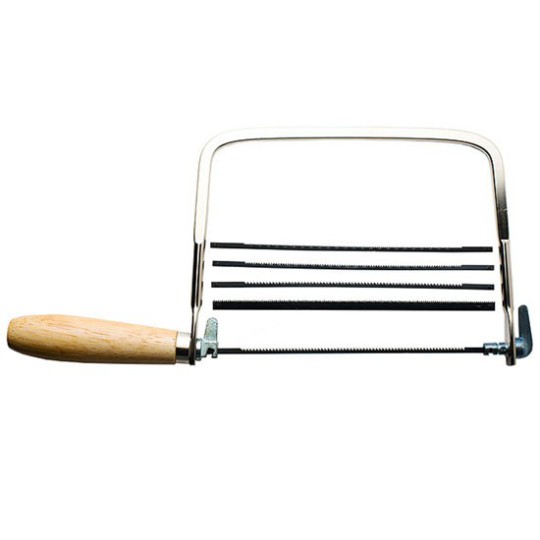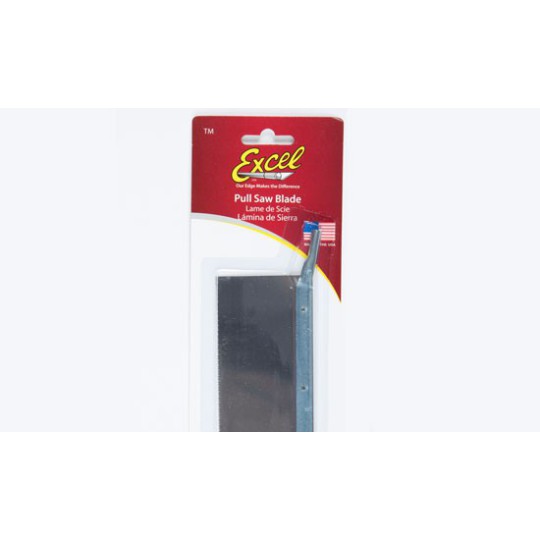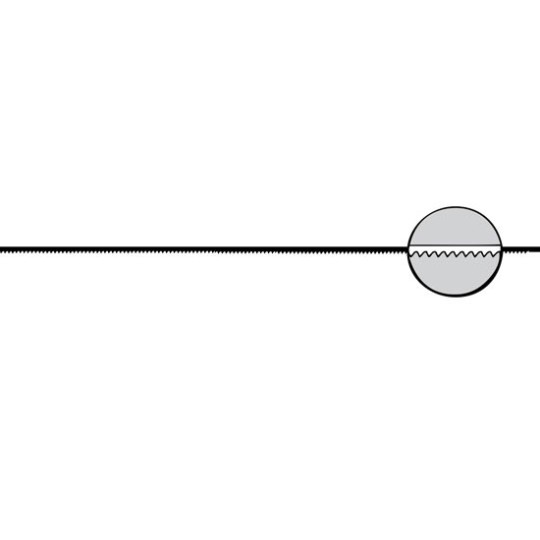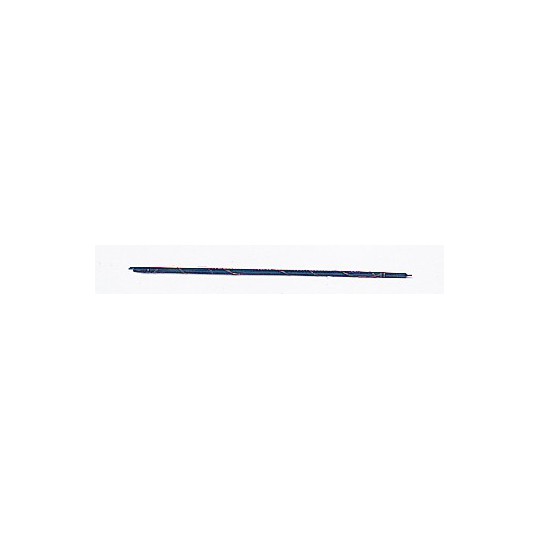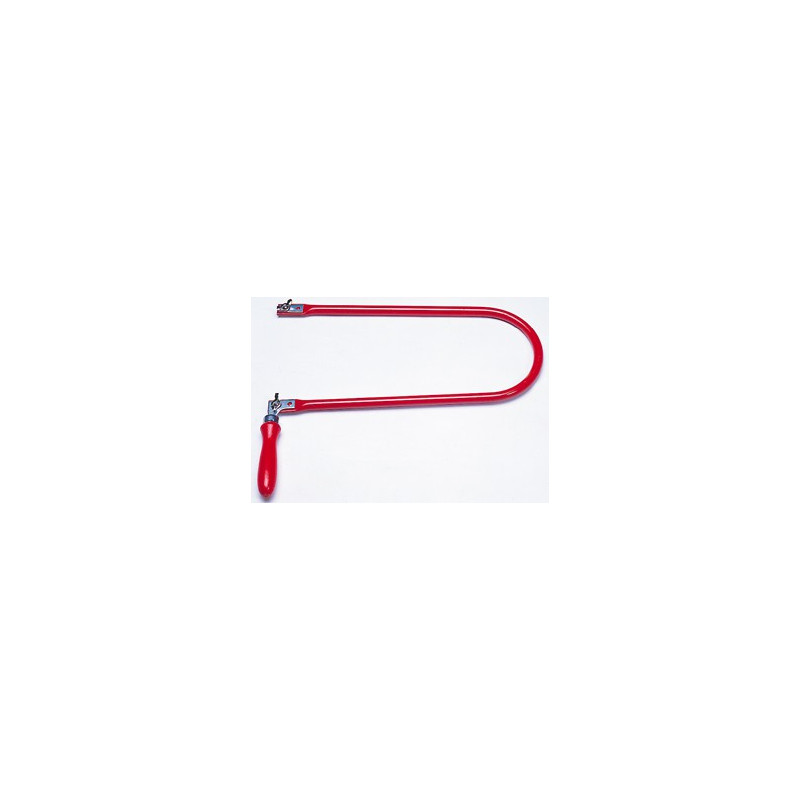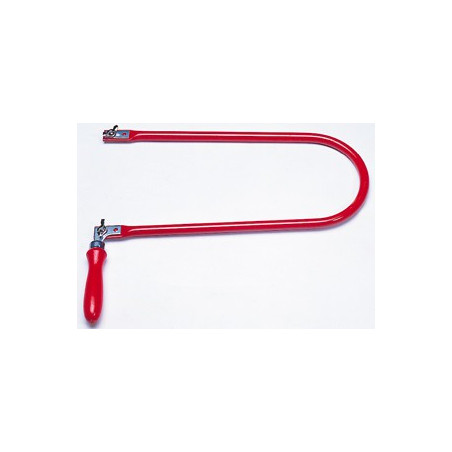
This swan neck saw for models is a simple, precise, and versatile tool, particularly suitable for cutting work that requires control and finesse.
Type: precision hand saw
Shape: swan neck
Use: construction and modification of models
Applications: precise cuts and complex shapes
Materials: mainly wood, depending on the blade used
Reference: S057310

Swan neck chisel for model making - precision cutting
Plus de detailsSwan neck chisel for model making - precision cutting
Fast shipping
Via Chronopost 24H
Via DPD 24/48H
Colissimo 48/72H
331178 products in stock
Real-time stock displayed
Secure payment




Secure payment
In 3 or 4 installments

 4.6/5
4.6/5

Specialist since 1955
Fast shipping
Via Chronopost 24H
Via DPD 24/48H
Colissimo 48/72H
331178 products in stock
Real-time stock displayed
Secure payment
Secure payment
In 3 or 4 installments
4.6/5
Specialist since 1955
The swan neck saw for model making is an essential tool for making precise cuts during the construction or modification of a model.
Its particular shape provides significant clearance around the blade and allows for easy work on small pieces.
I use it especially when I need to make a clean cut, follow a contour, or precisely adjust a piece.
Unlike a traditional saw, its thin blade allows for greater precision and easier control of the cutting progress.
The swan neck hand saw is particularly suitable for modeling work and model construction. It allows for straight cuts, as well as curved cuts or more complex shapes when a thin blade is used.
Its large clearance makes it easier to work on pieces that are relatively far from the edge.
This design is also similar to that of manual scroll saws used for precision work.
The swan neck shape provides more freedom around the cutting area.
The choice of blade is essential for obtaining a clean and precise cut.
Depending on the blade mounted on the saw, this type of tool can be used for various materials used in modeling.
You can work with:
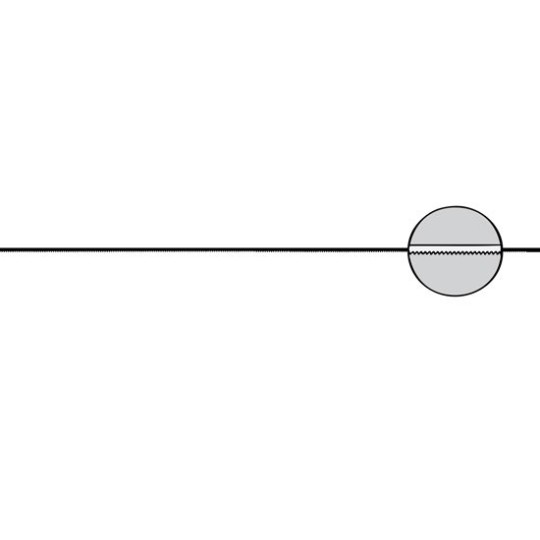
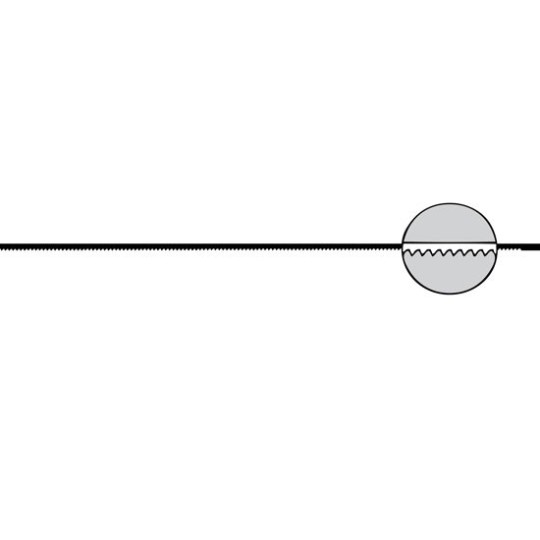
Blades available for swan neck saws come with different tooth configurations.
A finer blade generally prioritizes cutting precision, while a tooth configuration suitable for the material makes work easier and reduces the risk of snagging.
See the saw blades offered by Scientific MHD for swan neck saws.
One of the main advantages of this precision saw for models is its manual operation. You directly control the speed and direction of the cut.
This control is particularly useful for small modeling pieces. It allows you to take your time, follow a pattern, and limit unnecessary material removal.
The swan neck saw is perfectly suited for work where precision is more important than speed.
The choice of blade should be made based on the material to be cut and the desired level of precision.
For wood, there are several blade options suitable for different thicknesses and types of work.
For thinner materials like plastic or thin metal sheets, finer-toothed blades can be preferred.
The number of teeth also plays an important role: the finer the tooth configuration, the more precise the cut can be.
Our shop offers blades 4/10, 2/0, no. 1, no. 2, and no. 3 compatible with swan neck saws.
I recommend this type of saw when you are primarily looking for precision, control, and versatility.
It easily fits into a modeler's workshop for:
Its manual operation also allows you to work without an electric motor. This way, you maintain constant control over the blade's progress.
The swan neck saw for model making complements the other precision tools used in a modeling workshop: knives, cutters, files, drills, pliers, and sanding tools.
To achieve a clean result, I recommend choosing the blade based on the material and working gradually rather than trying to force the cut.
For very fine cuts, it is also important to properly secure the piece and maintain a sufficiently tensioned and well-maintained blade.
If you are looking for a saw for models capable of making precise cuts, the swan neck saw is a particularly interesting solution.
Its frame offers significant clearance and its thin blade allows to work on small pieces.
It is particularly relevant for modelers who build their models from raw materials or who want to modify existing parts.
To maintain a precise cut, also consider having several types of blades on hand.
Your choice can thus evolve depending on the wood, plastic, or thin metal you need to cut.
Customers who bought this product also bought: