

-
News to come
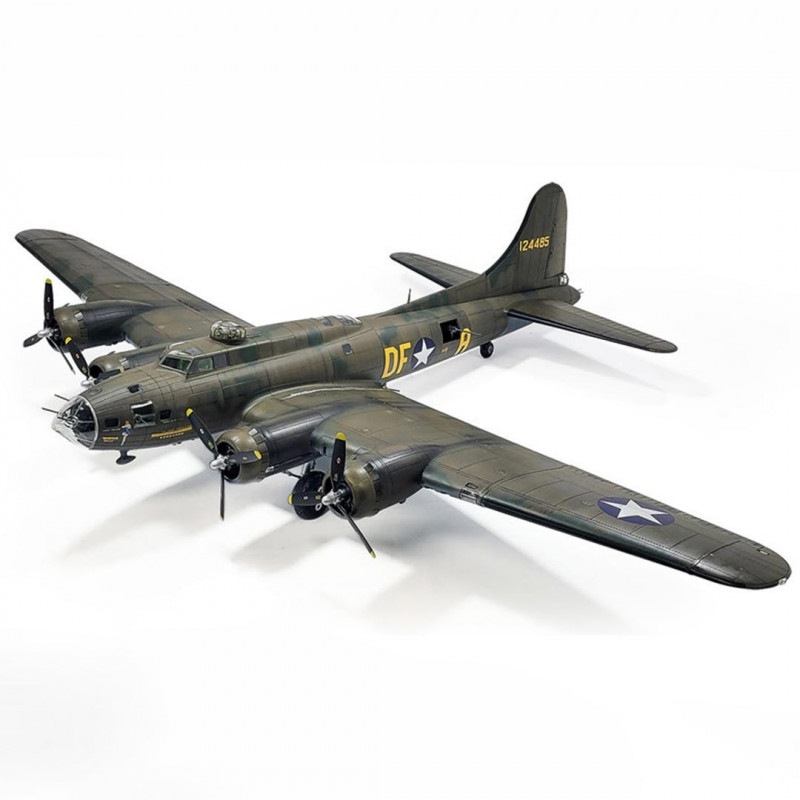
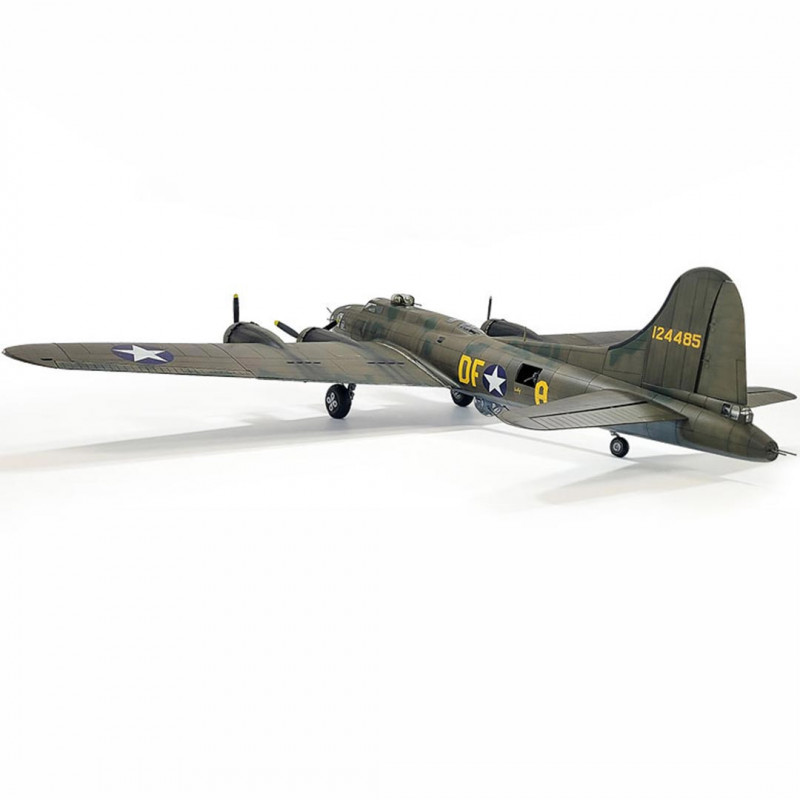
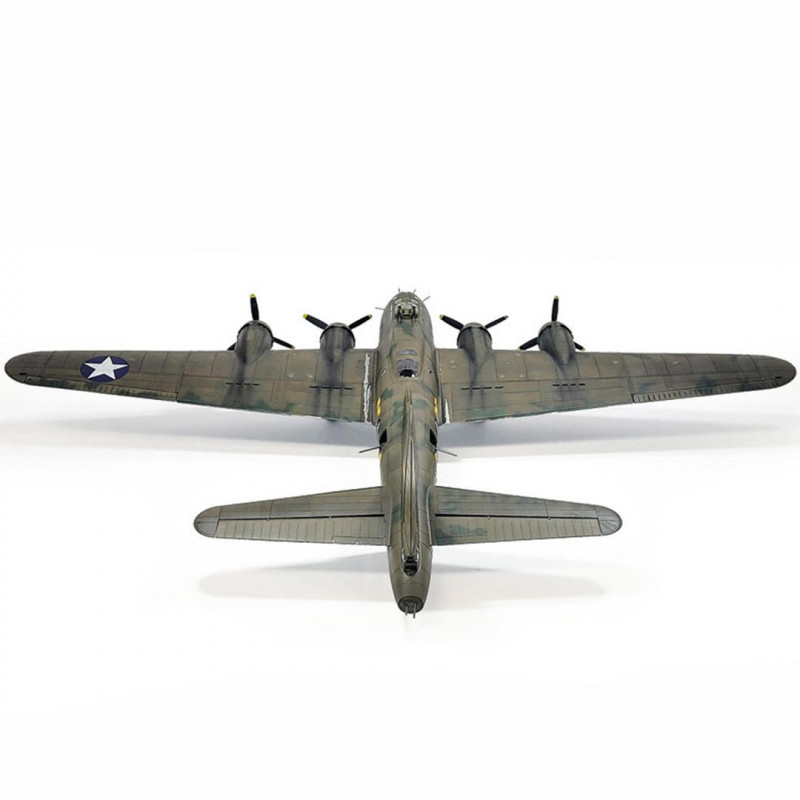
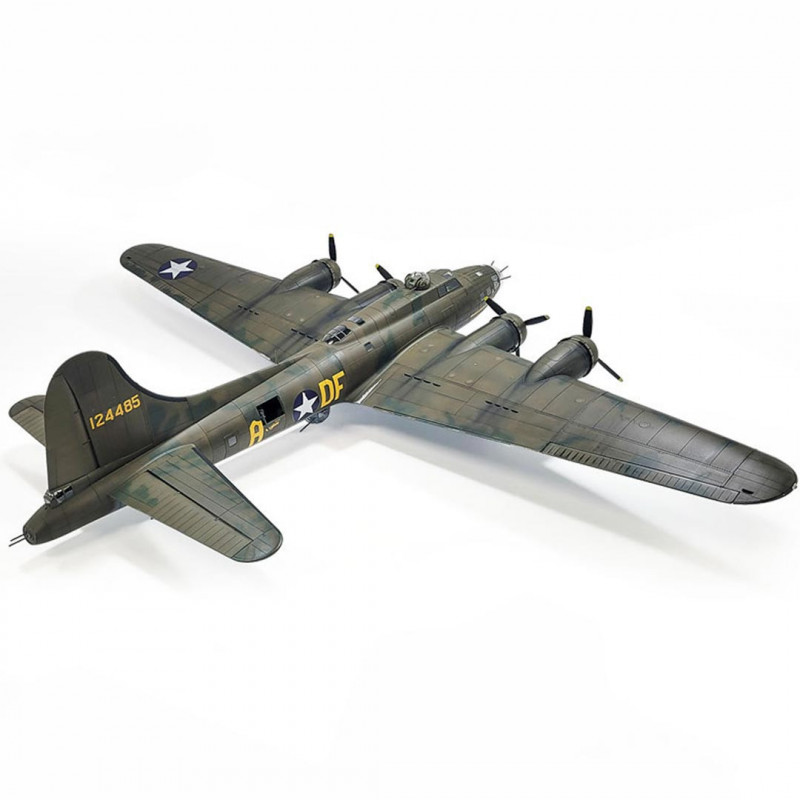
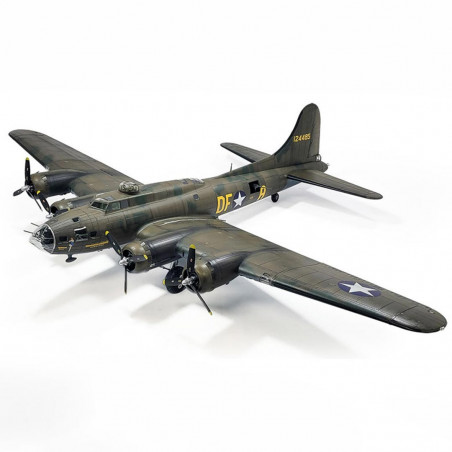
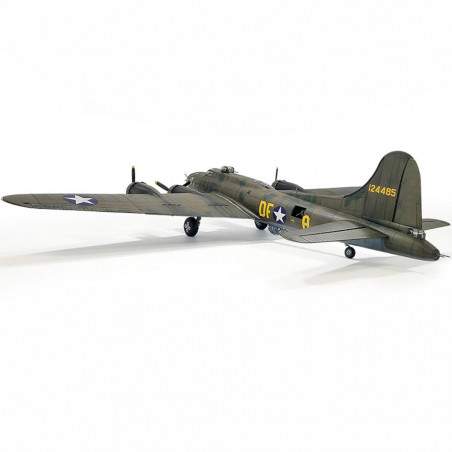
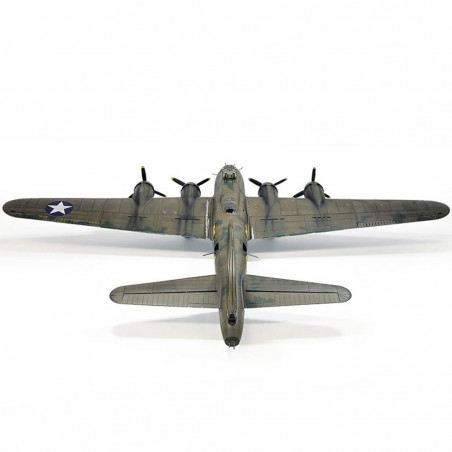
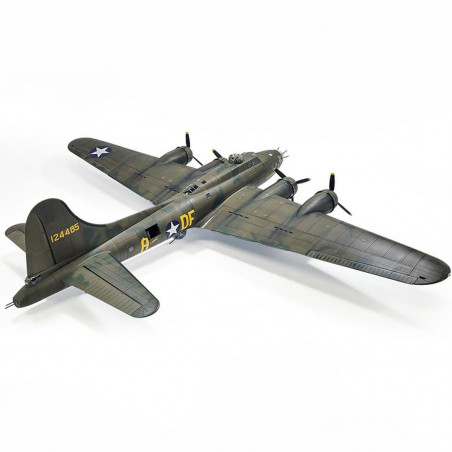
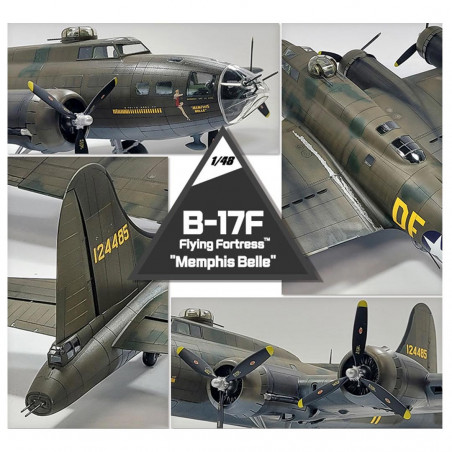
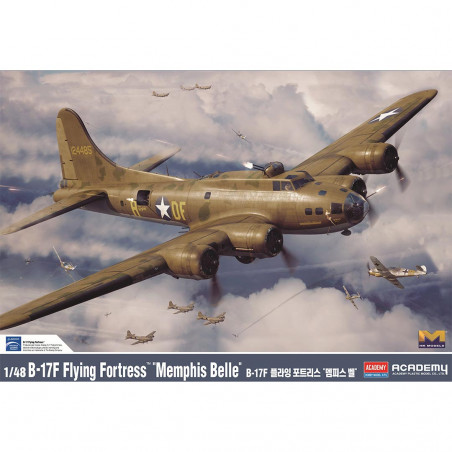
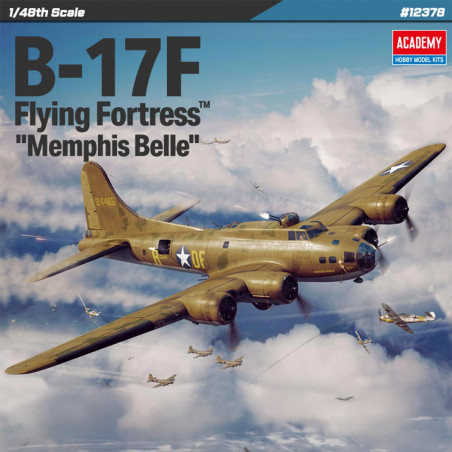
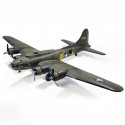
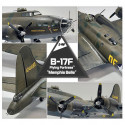
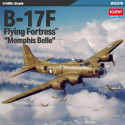
Reproduce the famous B-17F Flying Fortress Memphis Belle with this 1/48 scale Academy military aircraft model.
This assembly kit showcases a historic four-engine bomber, with a detailed interior, cockpit, bomb bay, and defensive gun positions.

Model B-17F Memphis Belle 1-48 - Academy
Fast shipping
Via Chronopost 24H
Via DPD 24/48H
Colissimo 48/72H
342611 products in stock
Real-time stock displayed
Secure payment




Secure payment
In 3 or 4 installments

 4.6/5

Specialist since 1955
Fast shipping
Via Chronopost 24H
Via DPD 24/48H
Colissimo 48/72H
342611 products in stock
Real-time stock displayed
Secure payment
Secure payment
In 3 or 4 installments
4.6/5
Specialist since 1955
The Academy 12378 model represents the Boeing B-17F Flying Fortress Memphis Belle, one of the most well-known American heavy bombers of World War II.
At a 1/48 scale, this plastic model kit allows you to reproduce the imposing proportions of this four-engine aircraft while working on many characteristic elements of its architecture.
This military aircraft model is particularly aimed at enthusiasts of historical aviation, collectors of World War II bombers, and modelers who wish to create an iconic American aircraft of the USAAF.
Its 1/48 scale offers an interesting surface to work on structural details, glazing, markings, and paint effects.
The B-17F Flying Fortress has a complex interior layout, essential for understanding the operation of this heavy bomber.
The Academy kit offers a detailed interior including the cockpit, bomb bay, and various defense positions.
These elements constitute particularly interesting areas for assembly and painting.
The cockpit deserves special attention.
It gathers the equipment necessary for the work of the pilot and co-pilot, with a technical environment characteristic of American military aircraft from the 1940s.
Careful painting of the consoles, instruments, and seats will enhance the realism of the whole.
The bomb bay is another point of interest in this model.
It contributes to representing the primary function of the Flying Fortress: to carry and drop a significant offensive load on strategic targets.
The defensive firing positions also highlight the characteristic armament of the B-17F.
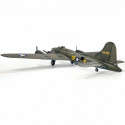
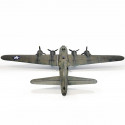
The Boeing B-17F is distinguished by its bulky fuselage, mid-wing, and four radial engines positioned under the wings.
The F version belongs to the first large series of heavy bombers used by the US Army Air Forces during aerial campaigns over Europe.
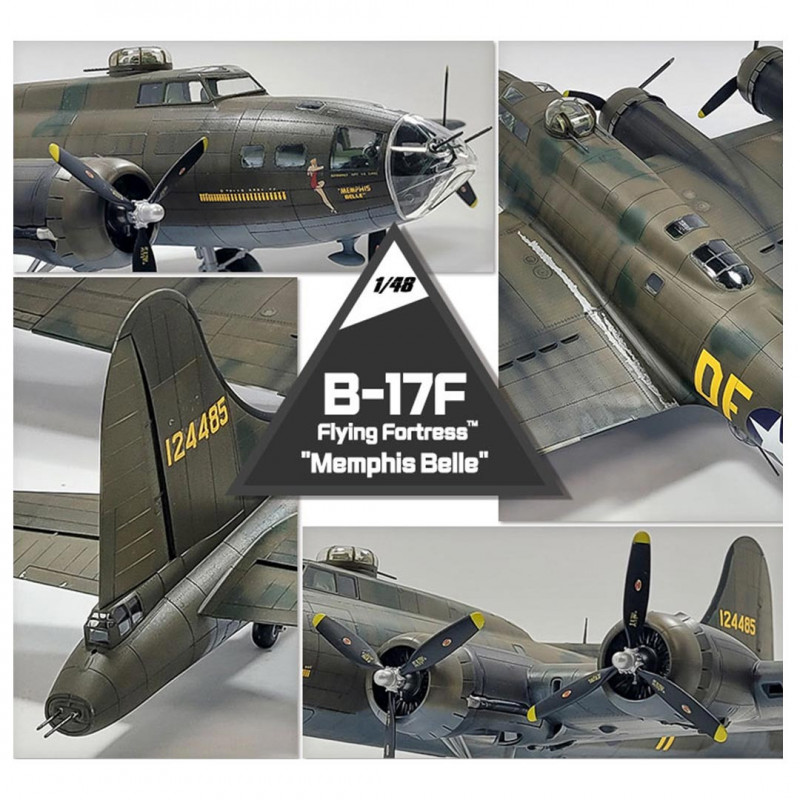
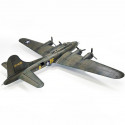
The Academy model reproduces the main volumes of this aircraft, with recessed panel lines, detailed engines, and a precisely reproduced landing gear.
The transparent parts allow visibility on the various glazed surfaces of the bomber, notably at the cockpit and defense turrets.
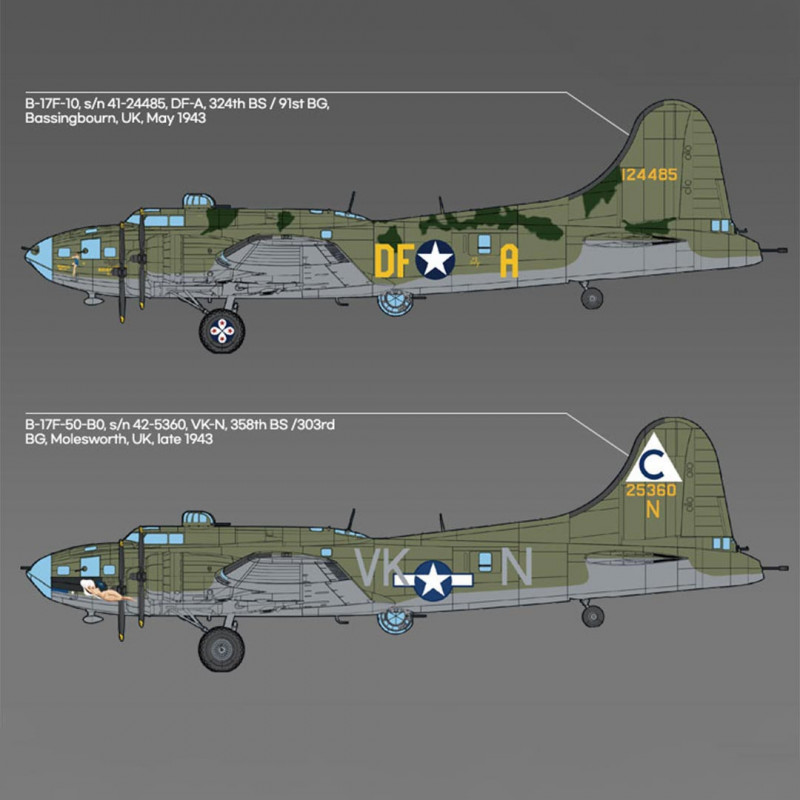
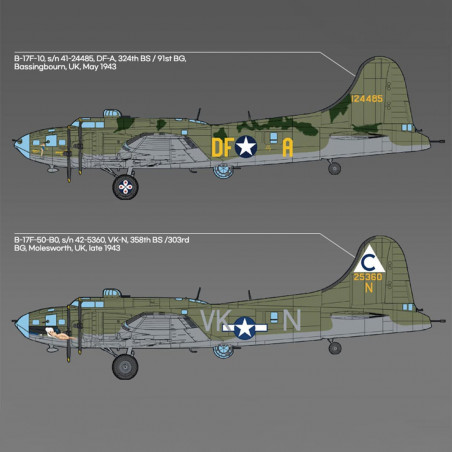
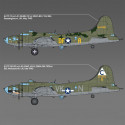
The provided decals allow for the decoration of the Memphis Belle.
The work on the markings requires careful surface preparation and precise application to avoid creases or air bubbles.
A coat of gloss varnish before applying the decals facilitates their integration, while a final varnish harmonizes the appearance of the paint.
Developed by Boeing, the B-17 Flying Fortress is a heavy bomber designed to perform long-distance missions with a significant bomb load capacity and defensive armament distributed over several positions.
It played a major role in the USAAF's strategic operations during World War II.
The B-17F version represents an important evolution of the Flying Fortress family.
It is notably recognizable by its glazed nose and defensive equipment.
Powered by four Wright R-1820 radial engines, the aircraft could reach high altitudes while carrying a substantial bomb load.
The Memphis Belle belonged to the 324th Bomb Squadron of the 91st Bomb Group, based in Bassingbourn, England.
Between November 1942 and May 1943, this aircraft participated in bombing missions over Germany, France, and Belgium.
Its notoriety comes notably from its operational journey: the usual crew completed its 25 combat missions on May 17, 1943.
The bomber and its aviators then became symbols of the American aerial campaign in Europe.
The aircraft participated in a tour in the United States aimed at promoting war bonds.
Reproducing the Memphis Belle in model form thus allows for preserving a trace of this period in military aviation history.
Its visual identity and history make it a particularly interesting subject for a collection dedicated to World War II aircraft.
Given the size of the bomber and the presence of many interior and exterior elements, this kit constitutes a demanding assembly project, more suited to modelers who already have some experience with plastic aircraft.
Assembling a four-engine bomber requires method, particularly to ensure the alignment of the fuselage, wings, and four engine nacelles.
It is advisable to proceed by subsets: cockpit, fuselage interior, bomb bay, engines, landing gear, and exterior surfaces.
It is also necessary to perform several dry fits before the final gluing to check the adjustments and limit the need for filler.
To achieve a realistic finish, plan for equipment suited to the military aircraft model: plastic glue, wire cutters, precision knife, fine files, sandpaper, brushes, and possibly an airbrush.
A primer will allow you to check the joints and prepare the surfaces before painting.
The decoration of the Memphis Belle requires particular attention to the shades of American aviation of this period.
It will be necessary to work on the exterior surfaces, glass parts, metallic elements, and interior details while respecting the decoration instructions of the kit.
Weathering effects can be achieved with washes in the panel lines, exhaust stains, and slight color variations on exposed surfaces.
The glazing represents a delicate step.
Precise masking before painting allows for keeping clean transparent surfaces and correctly reproducing the frames of the many windows of the bomber.
It is preferable to use glue suitable for transparent parts to avoid marks and damage.
Thanks to its 1/48 scale and imposing dimensions, the B-17F Memphis Belle can become the centerpiece of a diorama dedicated to American airbases during World War II.
It can be presented on a runway, an airfield parking lot, or near a hangar with maintenance accessories and ground crew figures.
A scene around the preparation of a mission allows for highlighting the exterior details and the historical identity of the aircraft.
To enhance the coherence of the diorama, prioritize accessories compatible with the USAAF aeronautical installations in England during the period 1942-1943.
This 1/48 military aircraft model combines several aspects sought by modeling enthusiasts: an iconic American bomber, identifiable historical decoration, and an interior allowing for detailed work.
The reproduction of the cockpit, bomb bay, gun positions, engines, and landing gear offers various customization possibilities.
With reference 12378, Academy offers a kit dedicated to one of the most famous USAAF aircraft.
A choice subject to complete a collection of World War II aircraft models and create a historical reproduction of the Boeing B-17F Flying Fortress Memphis Belle.