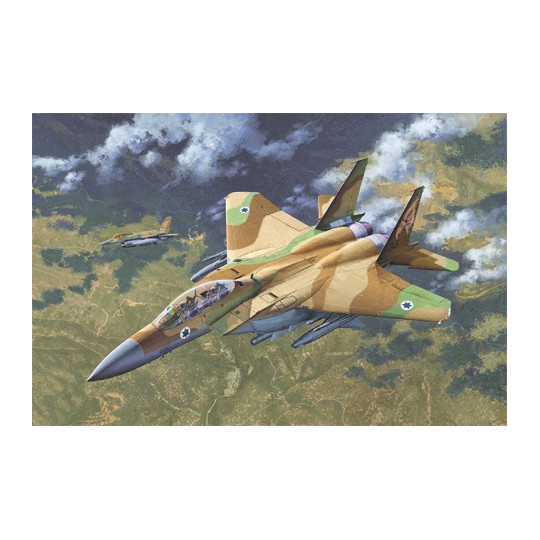
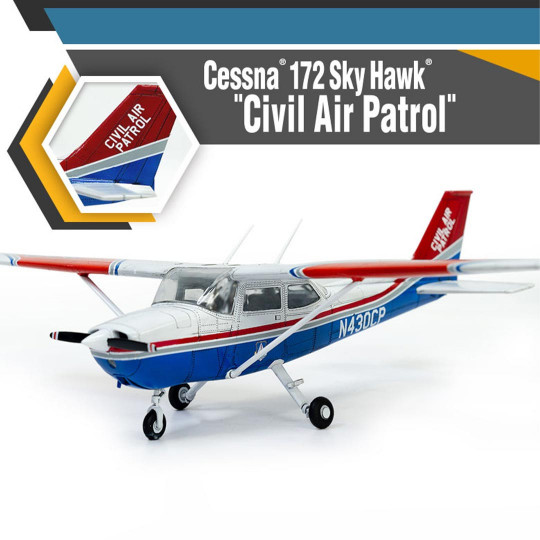
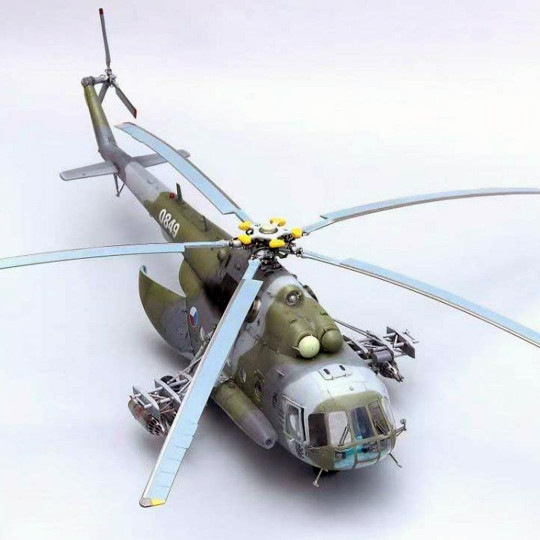
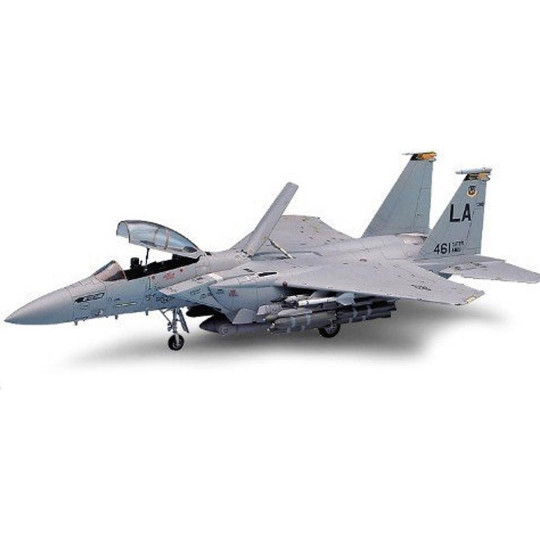
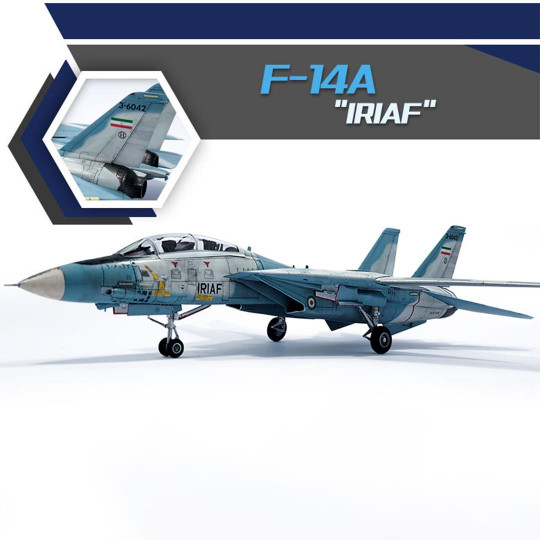
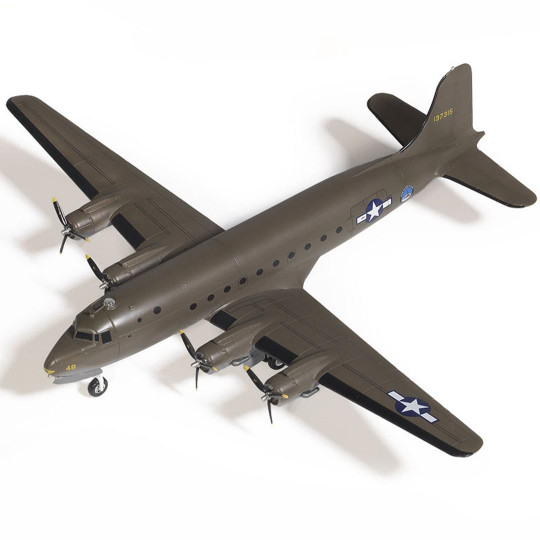
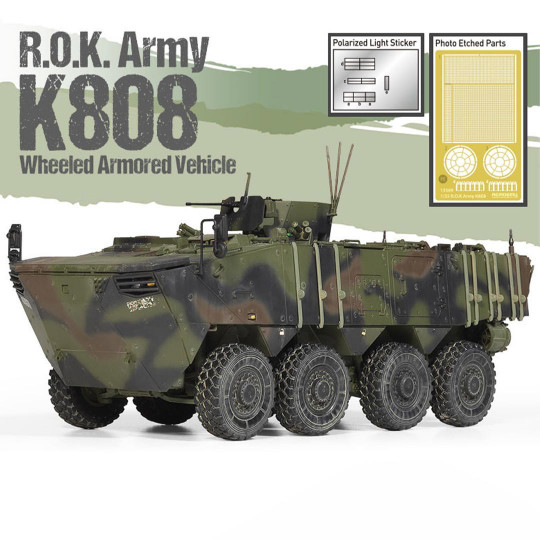
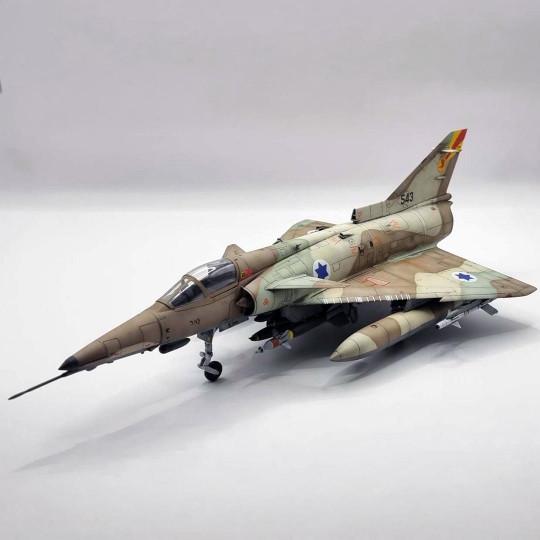
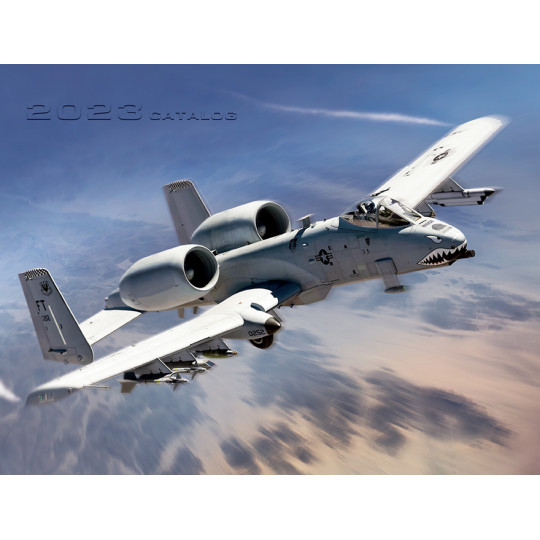
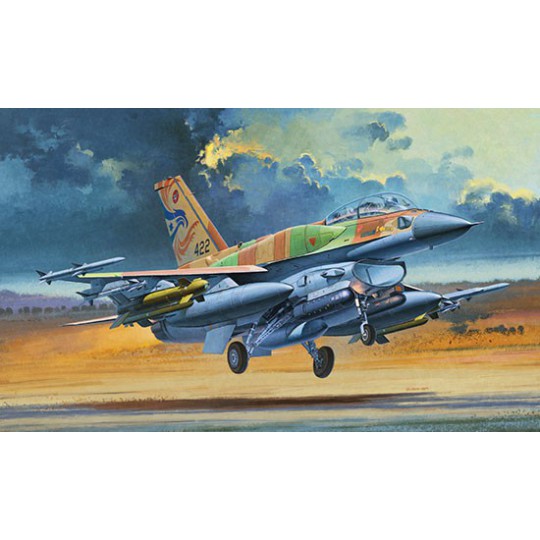
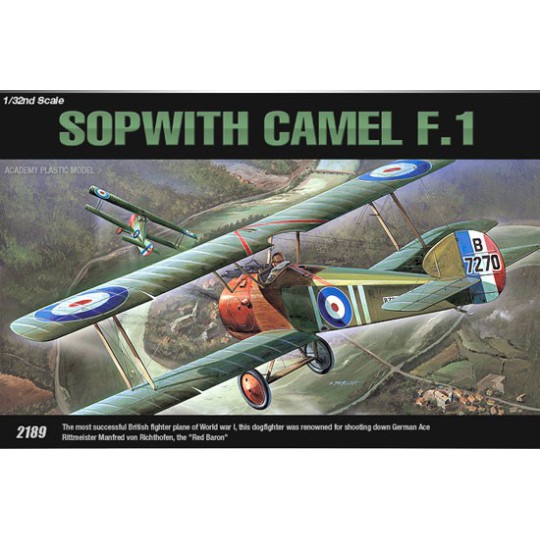
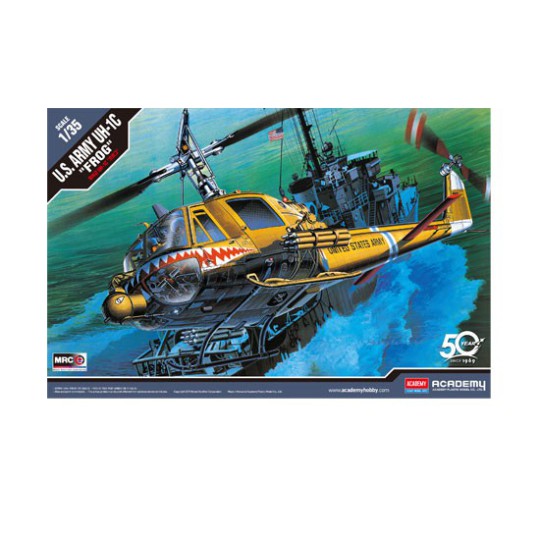
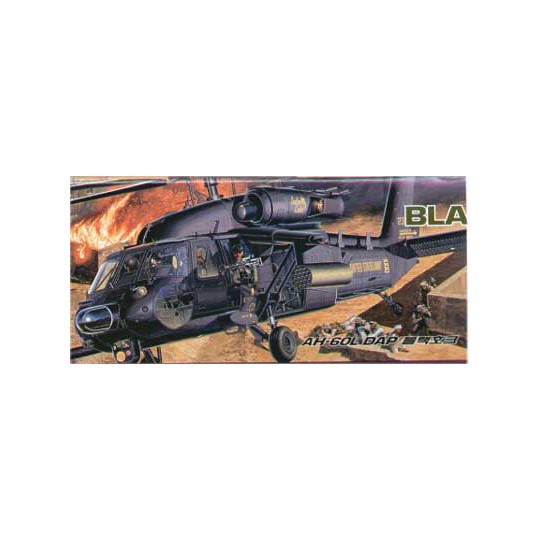
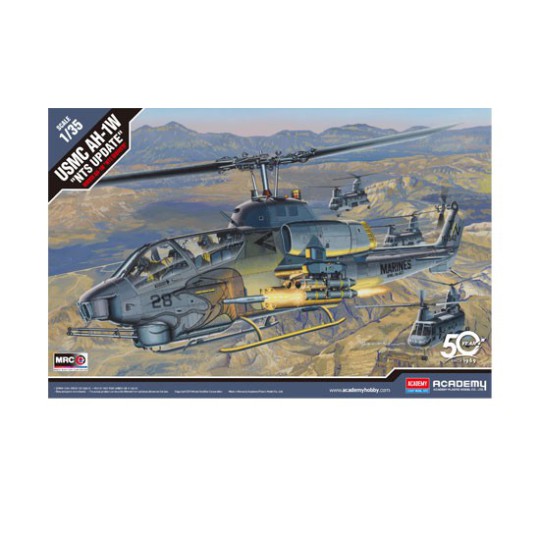
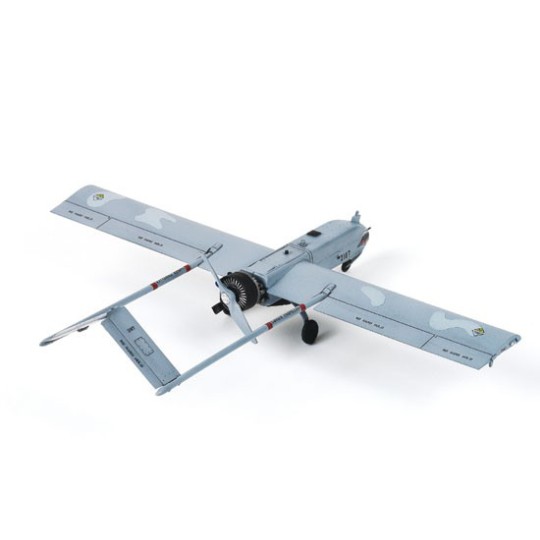
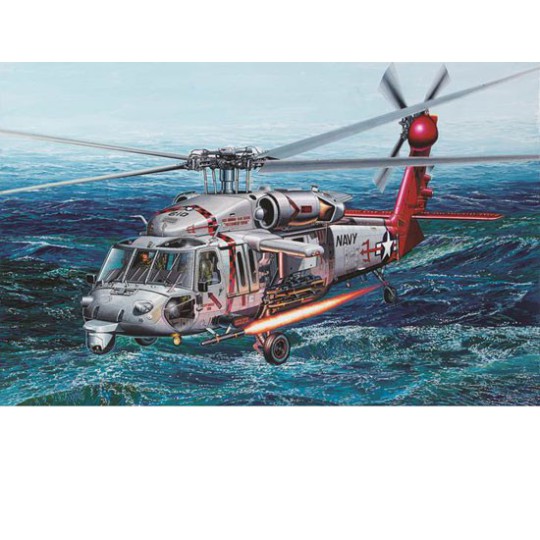
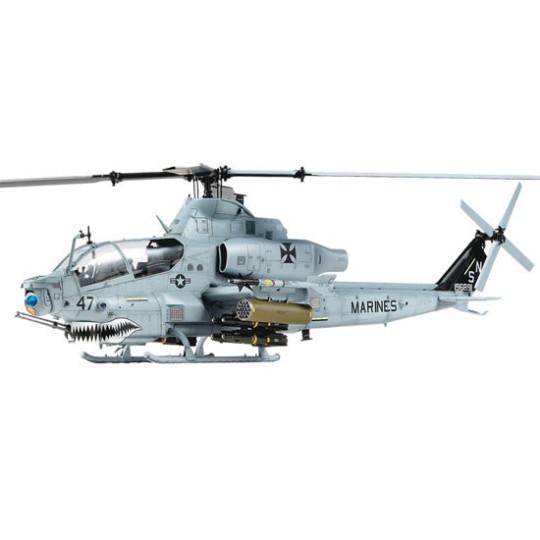
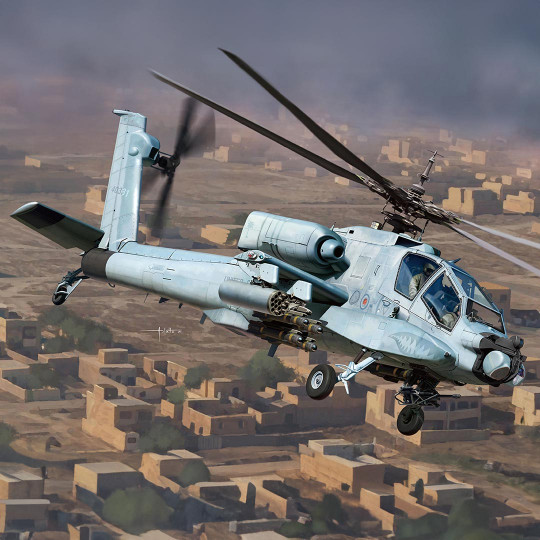
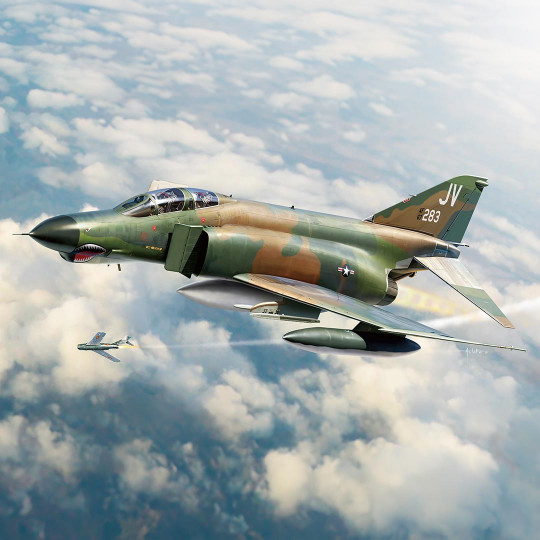
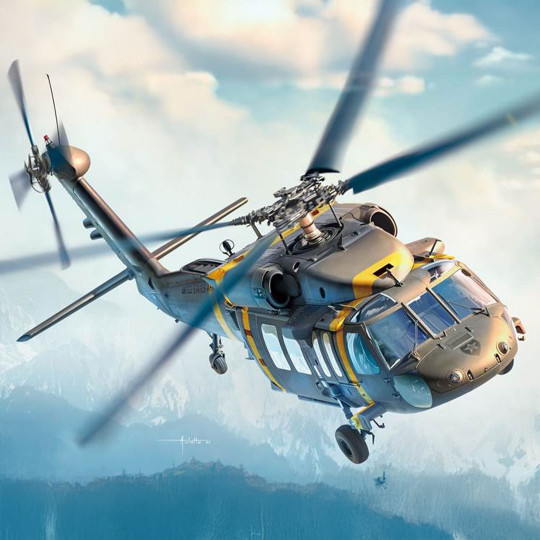
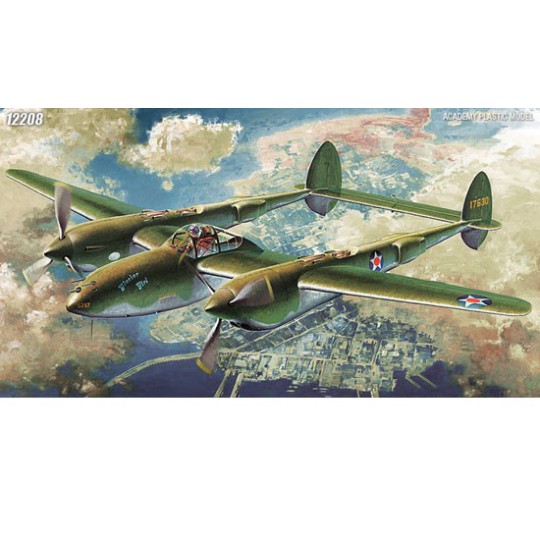
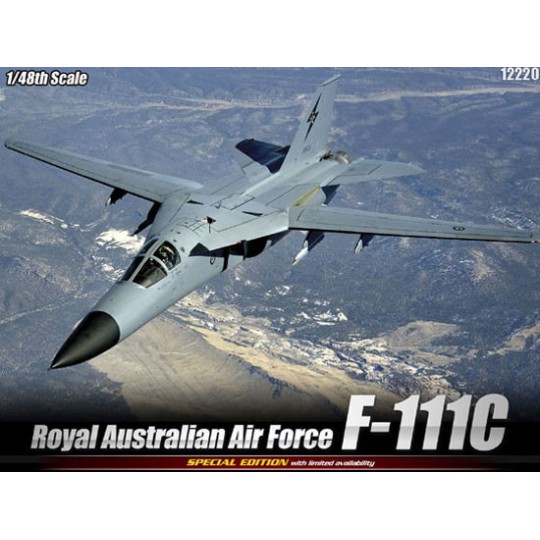
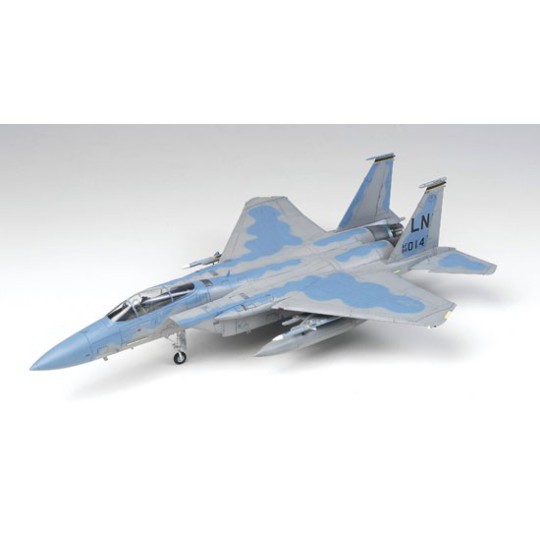
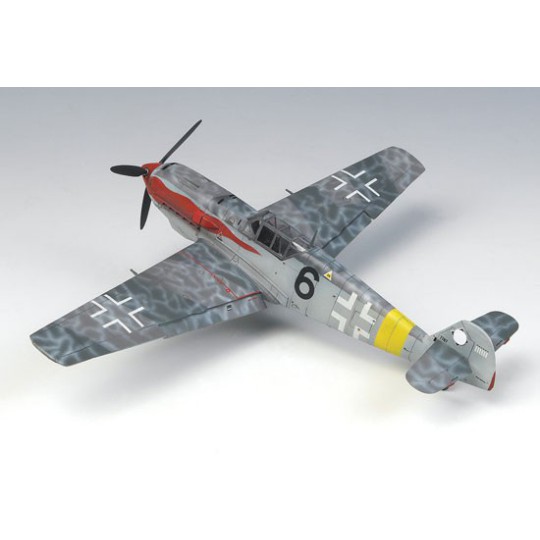
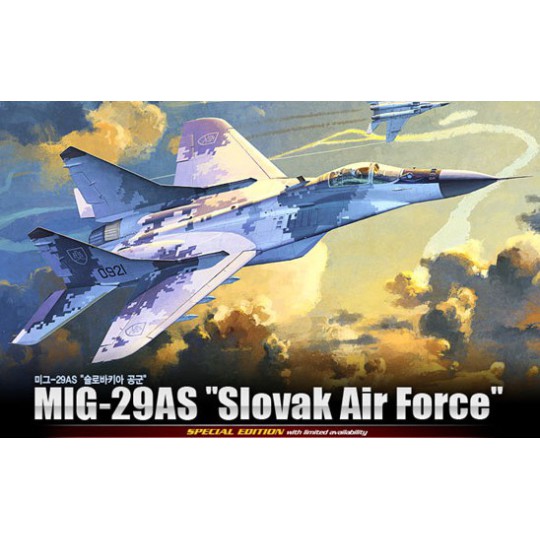
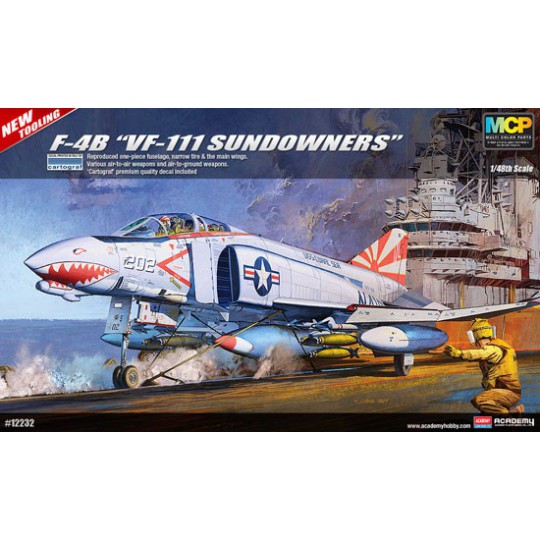
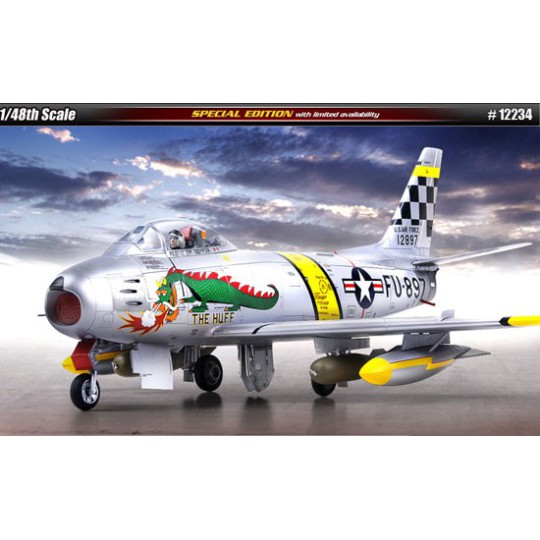
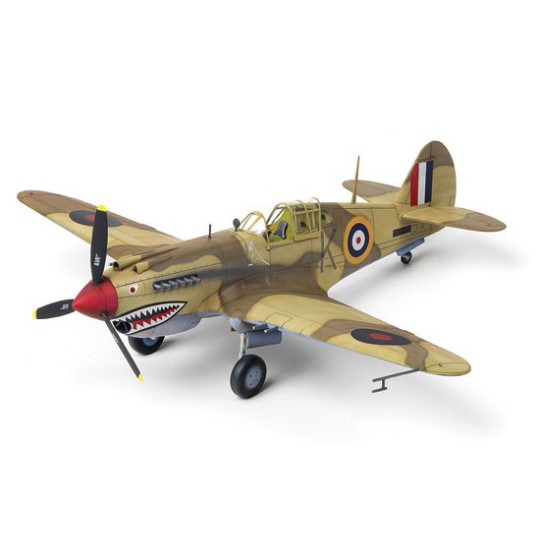
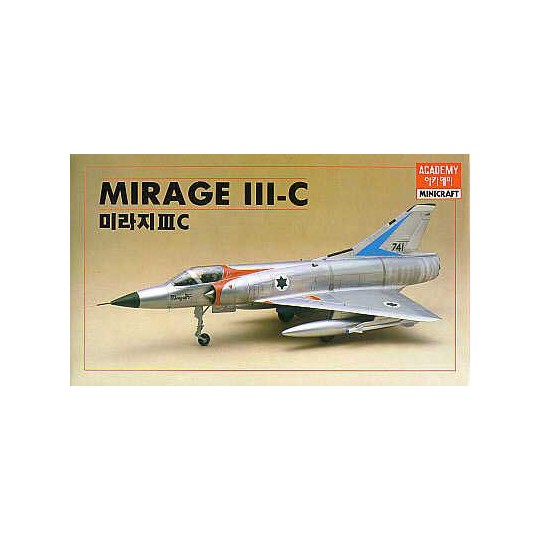
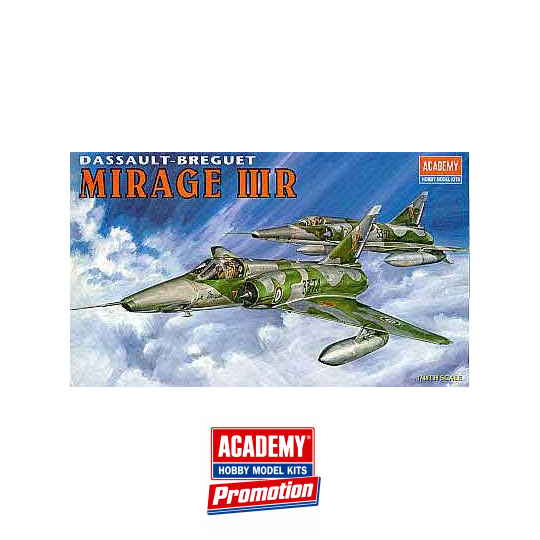
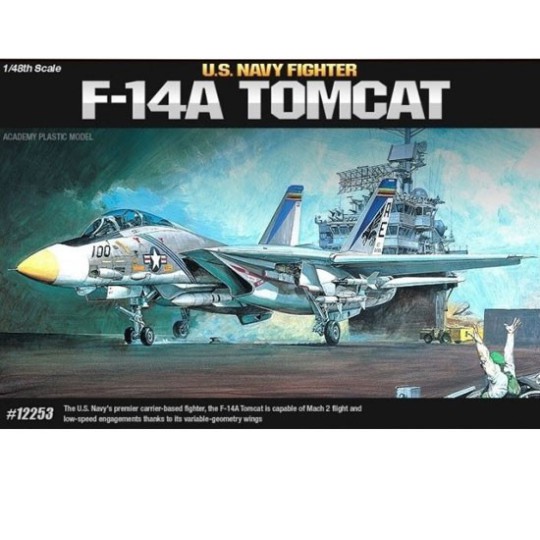
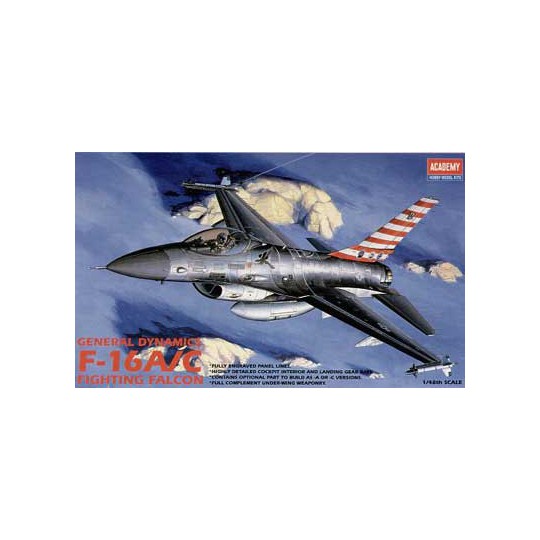
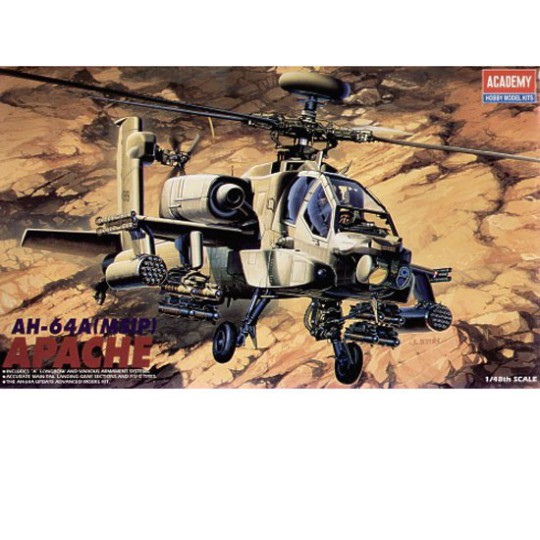
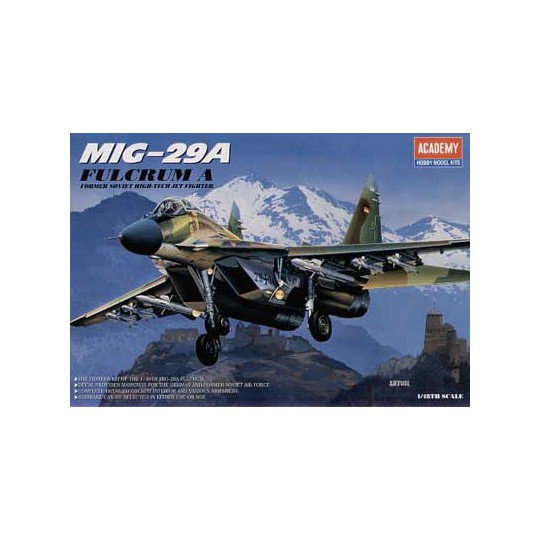
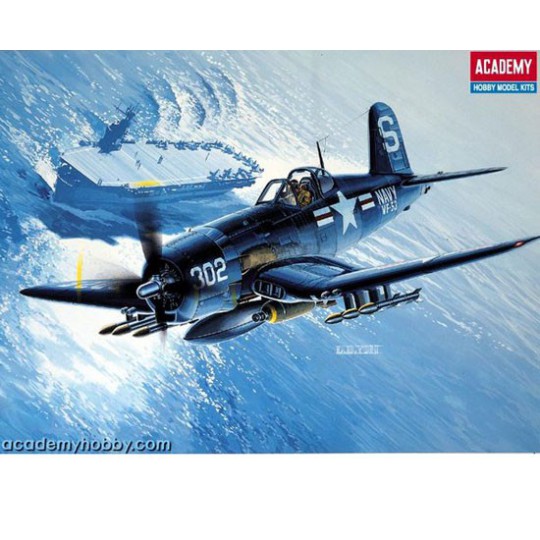
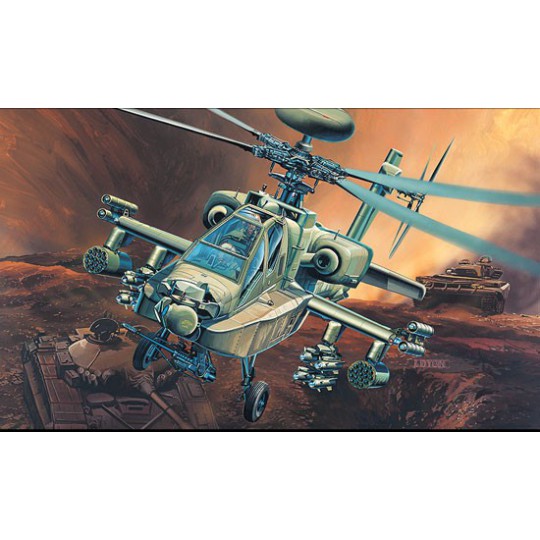
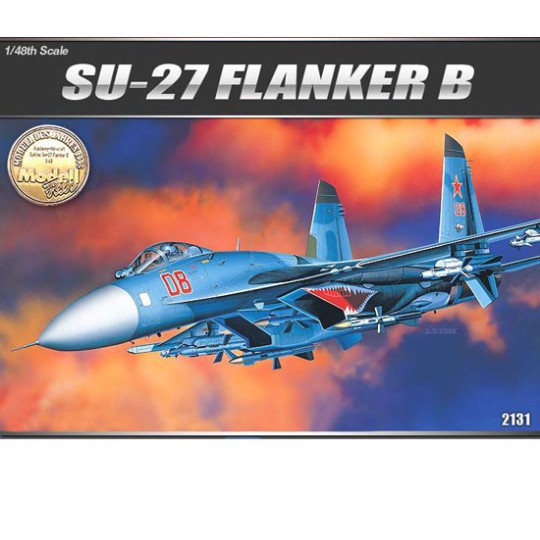
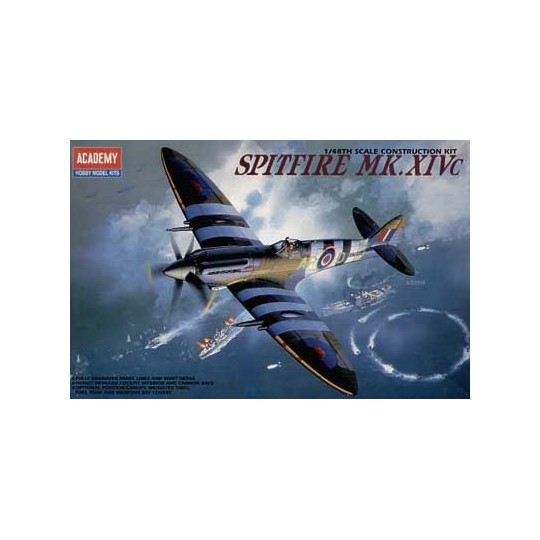
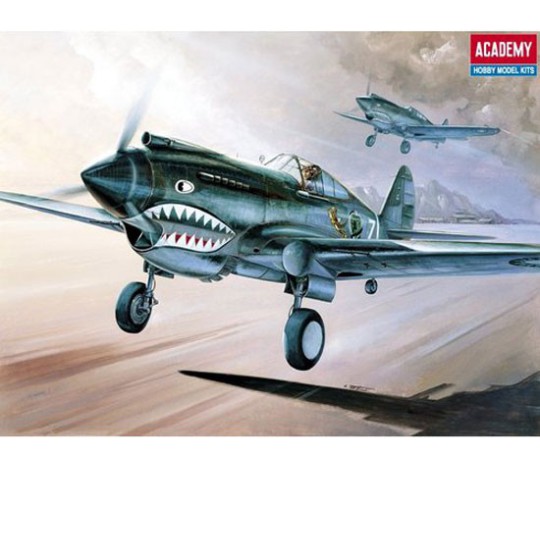
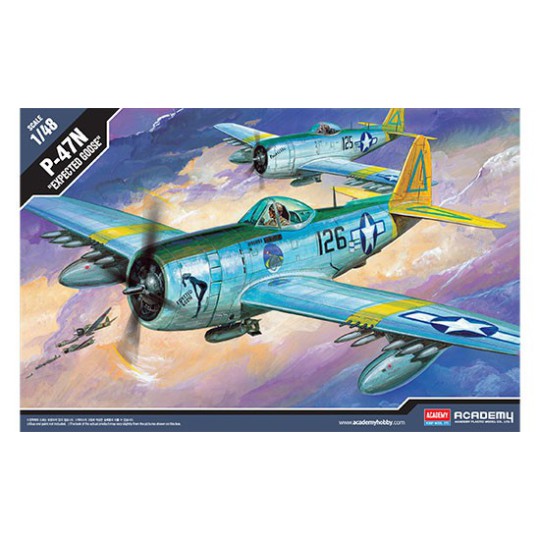
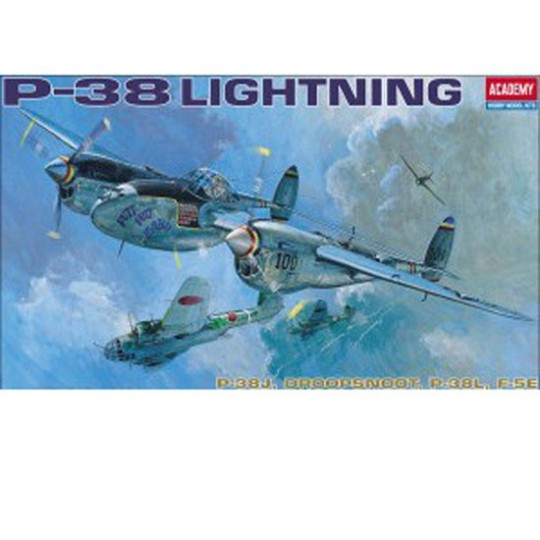
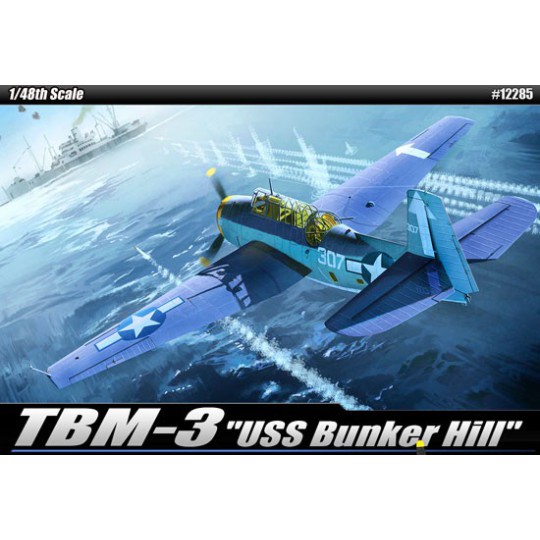
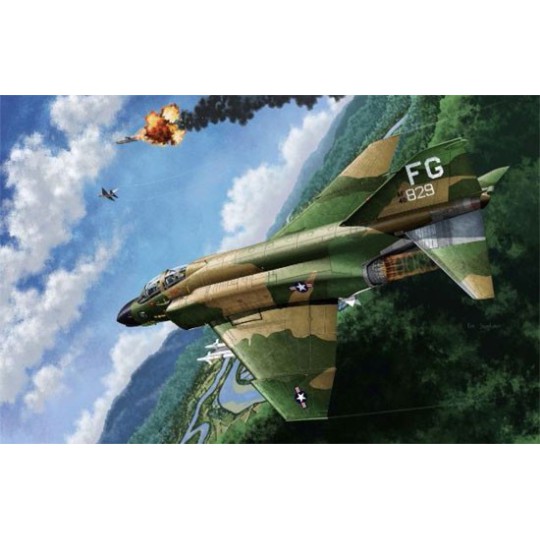
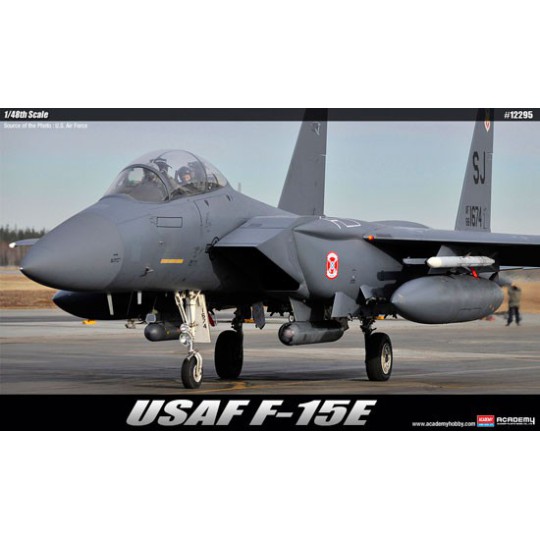
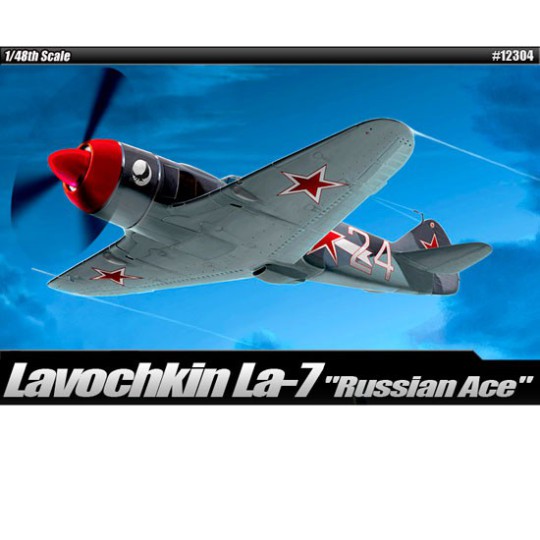
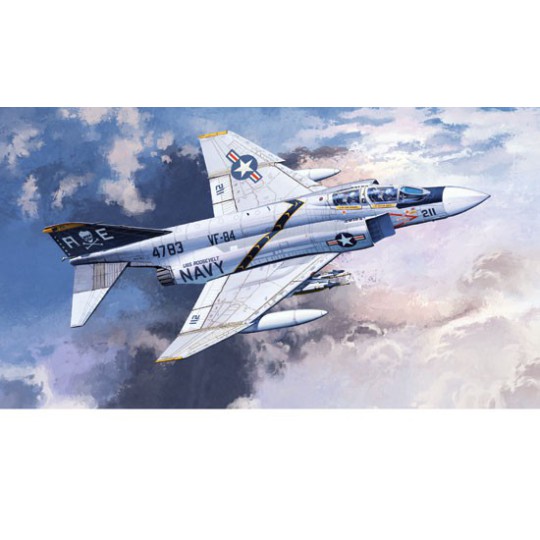
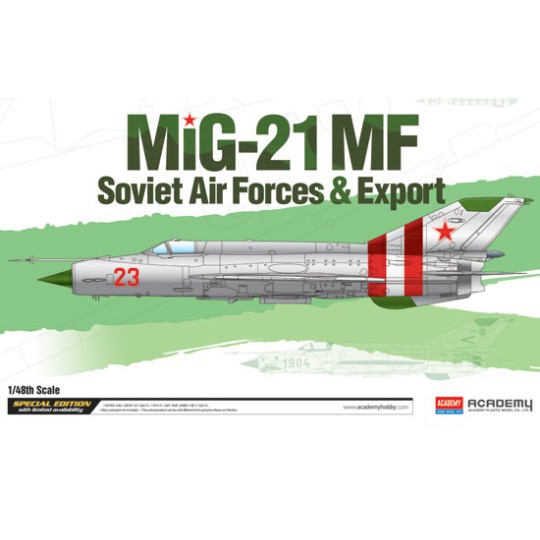
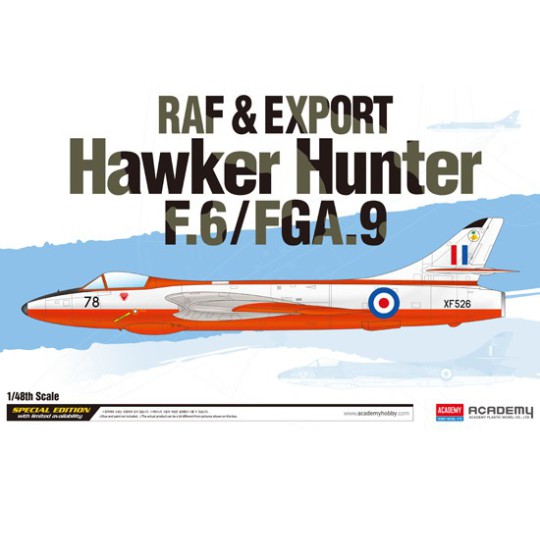
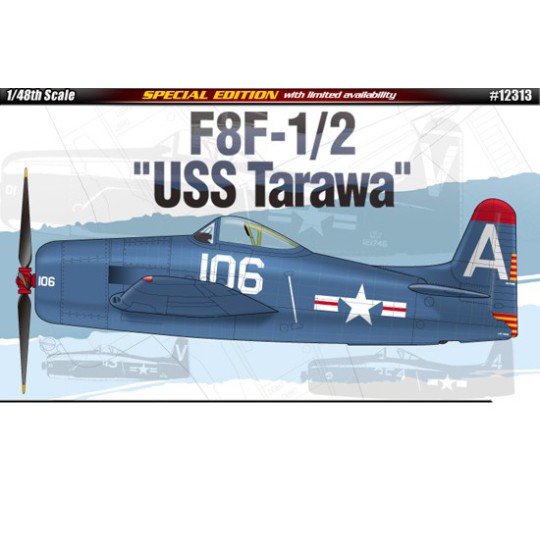
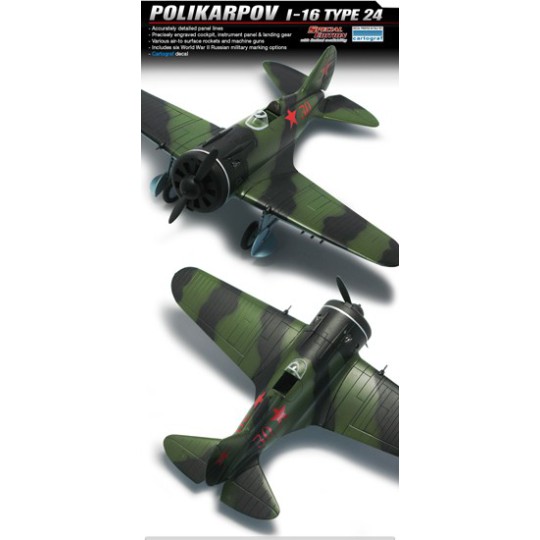
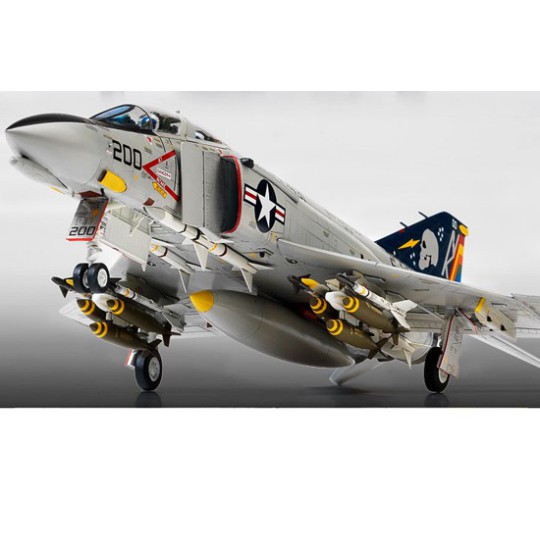
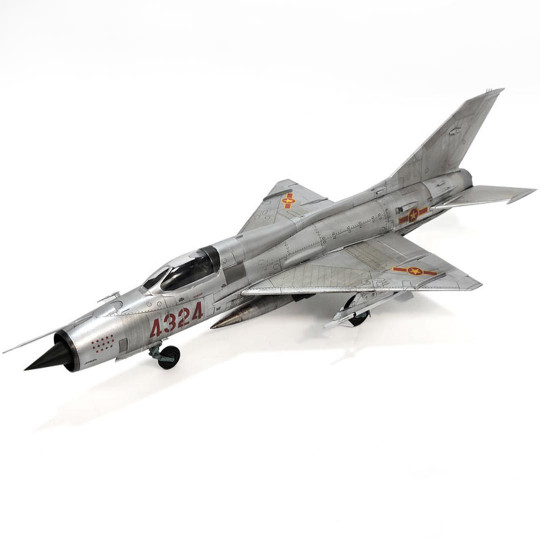
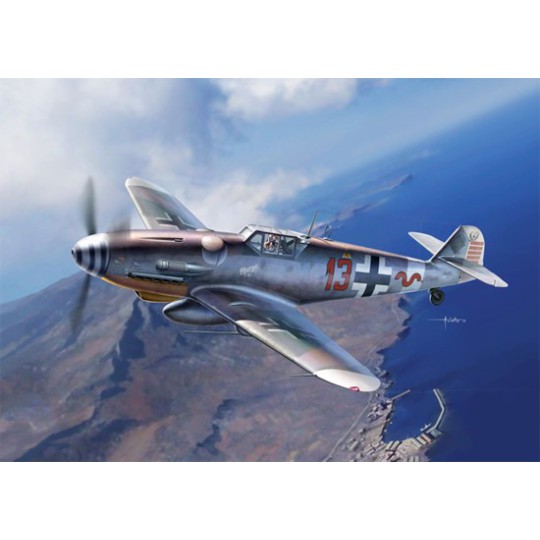
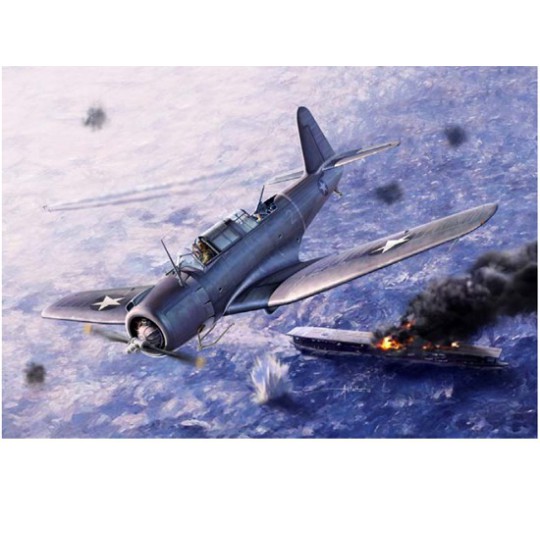
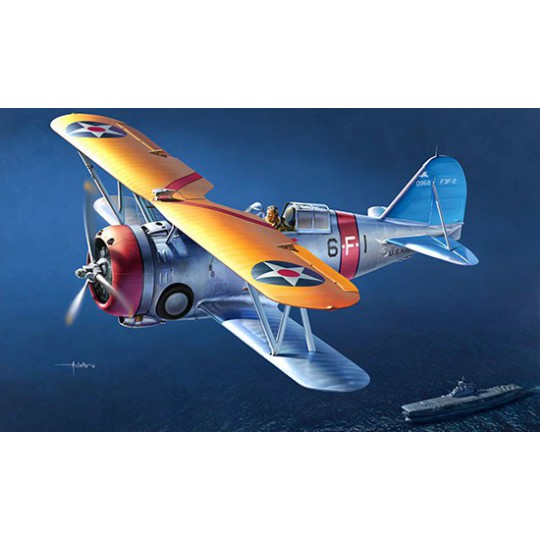
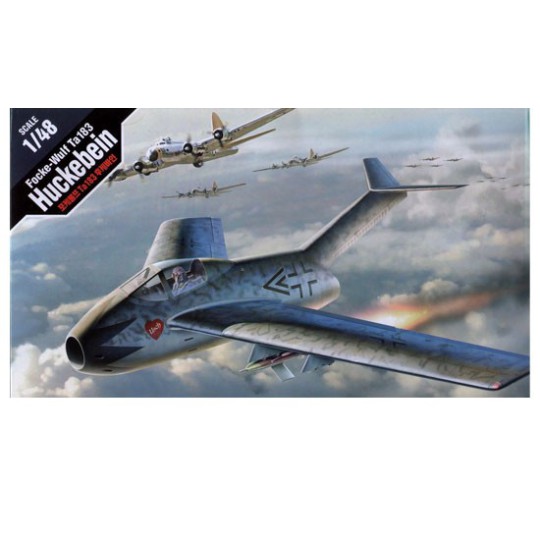
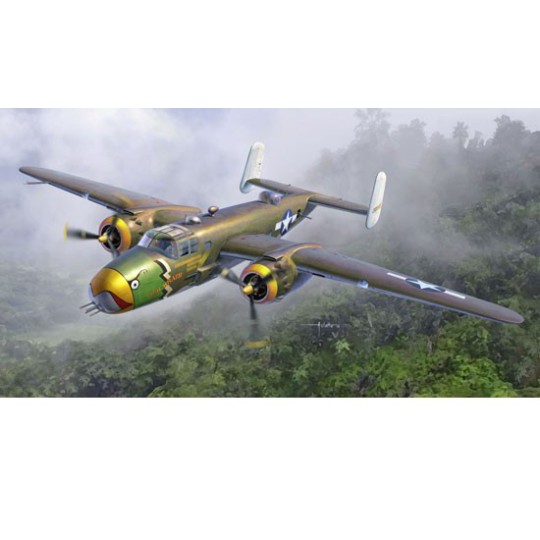
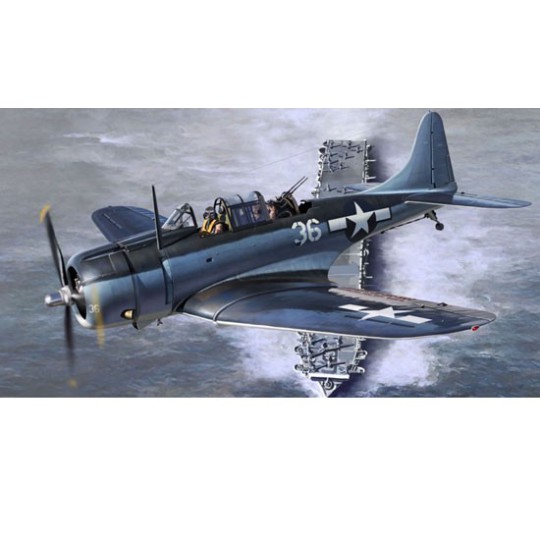
The plastic model kits to assemble from Academy make up a particularly extensive range, featuring aircraft, helicopters, armored vehicles, ships, vehicles and other subjects in different scales.
I consider Academy an interesting brand both for discovering plastic modeling and for adding more detailed models to an existing collection.
Academy is a Korean brand founded...
The plastic model kits to assemble from Academy make up a particularly extensive range, featuring aircraft, helicopters, armored vehicles, ships, vehicles and other subjects in different scales.
I consider Academy an interesting brand both for discovering plastic modeling and for adding more detailed models to an existing collection.
Academy is a Korean brand founded in Seoul in 1969.
Over the decades, it has developed an international range of plastic model kits to assemble and, for most classic references, to paint.
The ACADEMY catalogue covers a wide variety of subjects, allowing you to choose a model according to your interests, experience and the space available to display the finished model.
Key points to remember
Academy has been manufacturing plastic model kits since 1969, with a particularly diverse range.
The 1/72, 1/48 and 1/35 scales are particularly interesting when choosing a first model, with each scale offering its own advantages.
The right choice mainly depends on the subject you like, your skill level, the number of parts and the level of detail you are looking for.
Why choose an Academy plastic model kit?
An Academy model allows you to build a miniature reproduction from molded plastic parts, with different levels of detail and difficulty.
In my opinion, this is one of the brand's main strengths.
You can start with a small 1/72 aircraft, then move on to a larger 1/48 model, a 1/35 armored vehicle or even a large ship.
The choice is therefore not limited to a single category of models.
Academy has gradually built up a very diverse catalogue.
How long has Academy been making model kits?
Academy was founded in Seoul, South Korea, in 1969.
In its early years, the company was particularly involved in educational materials and plastic models intended for the Korean market. Its activities then diversified.
During the 1970s and 1980s, Academy developed more scale models representing military vehicles, aircraft and ships in particular.
The brand gradually established itself in the field of scale modeling.
This development partly explains the diversity of its current catalogue.
Academy has also developed products intended for education and beginners.
This aspect is part of the company's history, even though its current business covers a much broader market.
What types of Academy models can you build?
Academy offers several major categories of model kits, with particularly strong representation of military and aviation subjects.
Reproductions of machines and inventions, particularly those related to Leonardo da Vinci
Depending on the market, the brand has also produced toys, figures and other products that do not necessarily correspond to the model kit catalogue you will find at a European retailer.
This is worth keeping in mind. Academy is broader than plastic scale modeling for collectors alone.
Which scales should you choose for an Academy model?
The scale directly determines the size of the finished model, its apparent level of detail and the amount of space required to display it.
If you are just starting out, I particularly recommend understanding what fractions such as 1/72, 1/48 or 1/35 mean before choosing your kit.
The assembly may also involve more small parts and preparation steps.
For me, this is an excellent scale when you have already built a few models or when you want to prioritize detail from the outset.
What is 1/35 scale used for?
The 1/35 scale is particularly widespread in the field of armored vehicles and military vehicles.
An Academy tank in 1/35 scale provides an interesting surface for working on painting, markings and, above all, weathering.
It is also a scale that works very well for dioramas. You can represent a vehicle in an environment, add ground, figures, accessories and various weathering effects.
For military modelers, a 1/35 scale model is therefore a very natural choice.
This scale is interesting when space is limited, but also when you want to build a collection of important aircraft without filling your display space with large models.
It does, however, require precision. A small part remains a small part, even when the overall model is reduced in size.
What other scales are available from Academy?
The Academy catalogue also includes other scales, notably 1/32, 1/350 and 1/700, depending on the categories and references.
Large scales such as 1/32 generally make it possible to highlight more details.
Conversely, smaller scales allow you to build larger collections in a limited amount of space.
Yes, some Academy models are very suitable for beginners, but I would not consider the entire range suitable for a first build.
The difficulty level varies considerably from one reference to another.
A small model with few parts and simple assembly will be much easier to handle than a ship containing a multitude of small components.
Which Academy model should you choose as a beginner?
For a first build, I would choose a subject that you genuinely like, with a reasonable scale and an assembly process that does not immediately require you to master every modeling technique.
The same type of aircraft in 1/72 and 1/48 will not produce the same result in your display cabinet.
At 1/48, you have a larger surface area on which to work on details and painting effects.
For modern aircraft, I find it particularly interesting to work on the cockpit, landing gear, air intakes and external stores when the kit provides them.
Which Academy models should you choose among the armored vehicles?
The military range includes tanks and combat vehicles from both modern and historical periods.
The Leclerc tank is one of the particularly well-known subjects in this category.
1/35 is a reference scale here. It allows you to work on surface details, tracks, equipment and weathering effects.
For example, you can work with several shades of dust, mud splashes, wear marks and exposed metal areas.
Weathering requires restraint. An overly clean armored vehicle often looks artificial, but a model that is excessively weathered can lose the clarity of its shapes.
Which Academy models should you choose among the helicopters?
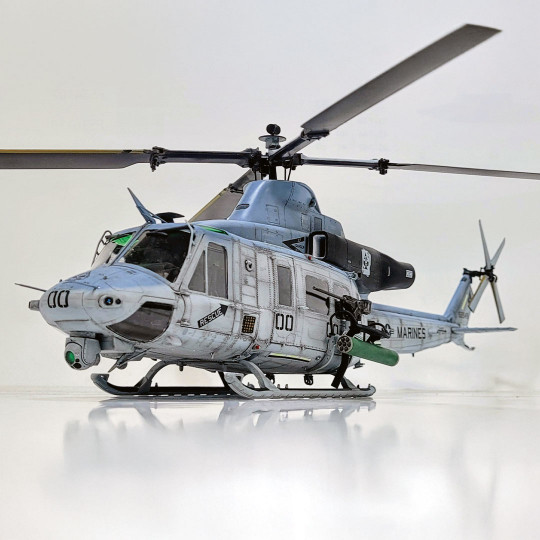
Helicopters require a little more care, particularly around the rotor, glazing and numerous small external parts.
The UH-1Y Venom is an interesting example from the Academy range.
Helicopters are also good subjects for working on transparent surfaces. The transparent parts must be fitted carefully, as a trace of glue on a canopy is immediately noticeable.
Which Academy ships can you build?
Academy also offers warship models, including references based on the Bismarck and other historical or military vessels.
The 1/350 and 1/700 scales provide two very different approaches.
1/700 is more compact. It allows you to represent imposing ships in a reasonable size.
1/350 offers more room for details. It also requires more patience.
On a large ship, the build becomes almost a project in its own right.
The hull, superstructure, decks, guns, masts and countless small components require a very organized working method.
What equipment do you need to build an Academy model?
You do not need a complete workshop to get started, but a few tools are genuinely useful.
A side cutter, for example, allows you to remove a part cleanly without twisting it. You then only need to carefully remove the small attachment point.
Do you have to paint an Academy model?
No, you can build a simple model without immediately aiming for a competition-level finish.
However, paint really does transform the appearance of a model.
Bare plastic gives a fairly raw result. Properly applied paint, decals and a few finishing effects add more depth to the model.
To begin with, I recommend mastering a few basics rather than immediately multiplying techniques:
You can then add pre-shading, washes, filters, pigments and weathering effects.
Are there Academy models with simplified assembly?
Yes, some references are designed with a more accessible approach than classic kits.
One example is the Titanic MCP model in 1/400 scale, which was offered with sprues in their final colors and simplified assembly, reducing in particular the need to paint certain parts.
This type of kit can be interesting if you want to discover model building before investing in a complete painting setup.
However, you should always check the characteristics of each reference. Academy uses different kit designs, and it would be misleading to generalize the characteristics of one model to the entire brand.
How do you build an Academy plastic model step by step?
The best method is to proceed gradually, without trying to glue every part as soon as you open the box.
1. Check the instructions and parts
Start by reading the instructions before cutting the first part.
I also recommend checking the sprues and transparent parts. This will help you avoid an unpleasant surprise halfway through the build.
2. Remove the parts cleanly
Use a suitable cutter and then clean up the attachment points.
Do not force a small part. A broken part can sometimes be repaired, but replacing or repairing a tiny component quickly becomes tedious.
3. Test-fit the parts
Test fitting consists of temporarily assembling the parts without glue.
This step is very useful. It allows you to check the fit and understand how the different sections will fit together.
I would rather spend two minutes test-fitting than have to remove a badly positioned part later.
4. Assemble the subassemblies
Work in logical groups: cockpit, engine, fuselage, wings, landing gear, turret, hull, superstructure.
This will give you better control over the build.
5. Treat the seams
The parts may leave a visible assembly line.
Depending on its importance, you can reduce it by sanding or use a suitable finishing product.
This step is particularly visible on aircraft fuselages.
6. Prepare for painting
Before painting, clean the surfaces properly.
A primer can also help even out the surface and reveal assembly defects that still need to be corrected.
7. Apply the colors
Follow the color instructions provided in the manual.
You can then gradually add variations in tone. Several thin coats are better than one coat that is too thick and hides the details.
8. Apply the decals
Decals contribute greatly to the final realism.
Take your time. A clean and properly prepared surface makes their application easier.
Photo-etched parts can provide particularly fine elements, but I would not systematically recommend them for a first model.
They require greater precision and can quickly turn a simple build into a much more demanding project.
How do you choose your first Academy model?
For me, the best choice is based on four criteria: the subject, the scale, the difficulty and the available space.
I recommend not starting by looking at the number of parts. First look at what you genuinely want to build.
Here is a simple guide:
Your profileScale to considerType of model
Complete beginner
1/72
Simple aircraft
Motivated beginner
1/72
Aircraft or tank
Intermediate modeler
1/48
Detailed aircraft
Armored vehicle enthusiast
1/35
Tank or vehicle
Collector
1/144
Aircraft
Ship enthusiast
1/700
Compact ship
Experienced modeler
1/350
Large ship
This guide is indicative only.
A modeler who loves ships can perfectly well start with a 1/700 model, while a beginner who is passionate about aviation may prefer a 1/48 model that gives them more enjoyment.
I would always rather choose a slightly ambitious model that you are passionate about than a very easy kit that does not interest you.
Why does Academy offer so many different subjects?
The diversity of the range is linked to the company's gradual development since its foundation.
Academy has not limited itself to a single family of models.
Over the decades, the brand has developed military, aviation, naval and civilian references, as well as educational products and other categories aimed at different markets.
This diversification has contributed to its international presence.
The brand has also worked with different partners during its development.
These collaborations, together with advances in design and molding techniques, have contributed to improving the kits.
How has Academy improved the quality of its models?
Academy has gradually incorporated design and molding techniques that make it possible to produce finer and more precise parts.
This development is particularly visible when comparing different generations of kits.
Computer-aided design now makes it possible to achieve a high level of precision, but the quality of a kit does not depend solely on the fineness of the molding.
Part fit, clarity of the instructions, subassembly design, quality of transparent parts and accuracy of details also play an important role.
This is why I recommend looking at the characteristics of each Academy reference, rather than judging the entire range based on an old or new kit.
Is Academy a recognized brand in the modeling world?
Academy has an international presence and extensive experience in plastic scale modeling.
The brand is distributed in many countries and its models regularly appear in the catalogues of specialist retailers.
It has also received awards at trade shows and competitions in the toy and modeling sectors.
However, it is important to distinguish between awards relating to specific models or product ranges and a supposed general award attributed to the entire Academy production.
This distinction is important when comparing several manufacturers.
Does Academy only offer military models?
No, although military and aviation subjects occupy an important place in its catalogue.
You will also find vehicles, motorcycles, figures and more unusual subjects.
The range includes reproductions inspired by the inventions of Leonardo da Vinci, offering a very different approach to traditional military modeling.
This is precisely the diversity I find interesting about Academy. You can remain within a very specific historical universe or choose a completely different subject.
Academy or Tamiya: which brand should you choose?
Academy and Tamiya both offer well-known plastic model kits, but I would not choose a brand based solely on its name.
The first criterion should be the specific reference you want to build.
An Academy kit may be more interesting than a Tamiya kit for a particular subject, while the opposite may be true for another model.
I would therefore look at:
the scale;
the number of parts;
molding quality;
fit;
level of detail;
instructions;
options included;
transparent parts;
the possibility of adding photo-etched parts;
price.
This approach is much more relevant than making a general ranking between two brands.
How should you store a completed Academy model?
A well-built model deserves to be displayed away from dust and repeated handling.
A closed display cabinet is the best solution when possible.
Direct sunlight should also be avoided, particularly for paints, decals and certain parts.
For highly detailed models, handling them by the strongest areas is preferable. Antennas, landing gear, masts, rotors and other fine elements can easily become detached.
FAQ about Academy plastic model kits
Is Academy a good model kit brand?
Yes, Academy has extensive experience in plastic scale modeling and offers a very diverse international range.
Quality should nevertheless be assessed reference by reference, because the kits do not all belong to the same generation or offer the same level of detail.
Are Academy models suitable for beginners?
Some references are perfectly suited to beginners.
For a first build, I would choose a simple kit, with a reasonable size and a manageable number of parts. 1/72 is often a good starting point.
Which Academy model should you choose as a beginner?
I would first choose a subject that you like, then a relatively simple reference in a scale that is easy to handle.
A 1/72 aircraft or an accessible armored vehicle can provide a good first experience.
What is the best scale to start with?
1/72 is a versatile and space-efficient scale, making it an interesting choice for beginners.
However, there is no single best scale. Your choice should also depend on the subject.
Classic Academy plastic model kits generally require glue to assemble the parts.
However, certain specific references may use a simplified design with a different assembly method. You should therefore check the characteristics of the chosen reference.
Do you need to paint an Academy model?
Painting is not always essential simply to assemble a model, but it is strongly recommended if you are looking for a realistic finish.
Paints allow you to reproduce the colors of the aircraft, details, camouflage and weathering effects.
What is the difference between an Academy 1/72 and 1/48 model?
A 1/48 model is larger and provides more surface area for working on details.
1/72 is more compact, easier to display and often very interesting for building a collection.
Is 1/35 reserved for tanks?
No, although this scale is particularly associated with tanks and military vehicles.
It can also be used for other subjects, depending on the available ranges.
Does Academy offer ship models?
Yes, Academy offers ships, particularly military and historical vessels.
The 1/700 and 1/350 scales allow you to choose between a more compact model and a much larger build.
Can you add photo-etched parts to an Academy model?
Yes, when compatible sets are available for the reference concerned.
Photo-etched parts allow you to obtain extremely fine components, but they require greater precision. I would recommend them more for modelers who are already comfortable with conventional assembly.
Does Academy only manufacture aircraft and tank models?
No. Its catalogue also covers helicopters, ships, vehicles, motorcycles, figures and certain educational or historical subjects.
Which Academy model should you choose for your project?
If you are looking for a first model, I would first look at simple 1/72 references.
If you want to detail an aircraft, 1/48 provides a very interesting working surface.
If your passion is **tanks and **military vehicles, 1/35 is probably the scale you should look at first.
If you want to build an aircraft collection without taking up too much space, 1/144 or 1/72 are good options.
Finally, if you like historical ships or military vessels, the 1/700 and 1/350 scales offer two very different experiences.
Academy's advantage is precisely that it allows you to progress in this way.
You can start simply, learn how to prepare, glue and paint your parts, and then gradually move on to more detailed models.
Scale modeling is above all a matter of patience. A beautiful model is not built by trying to work quickly.
I prefer to proceed in small steps, check every assembly and take the time to carefully work on the details.
This approach allows you, model after model, to move from a simple plastic kit to a truly personal creation.
The Academy catalogue is regularly updated with new models.
You can also discover the latest releases and newest models featured in the Academy 2026 catalogue.