
Radio-controlled airplane Harrier 3D Funfly 1.5m 15cc ARF SEAGULL Models
Plus de detailsRadio-controlled airplane Harrier 3D Funfly 1.5m 15cc ARF SEAGULL Models
|
|
|
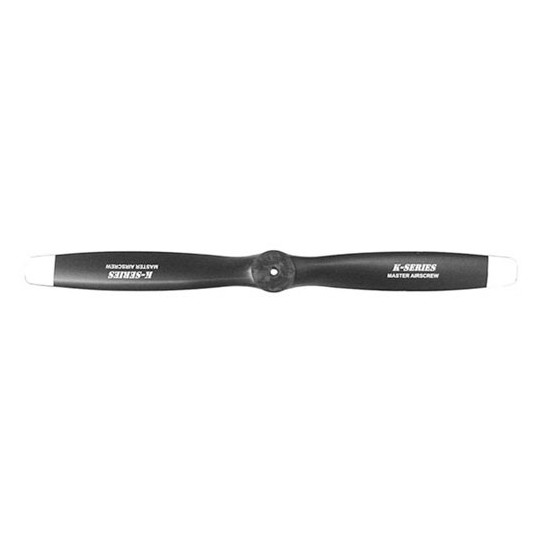
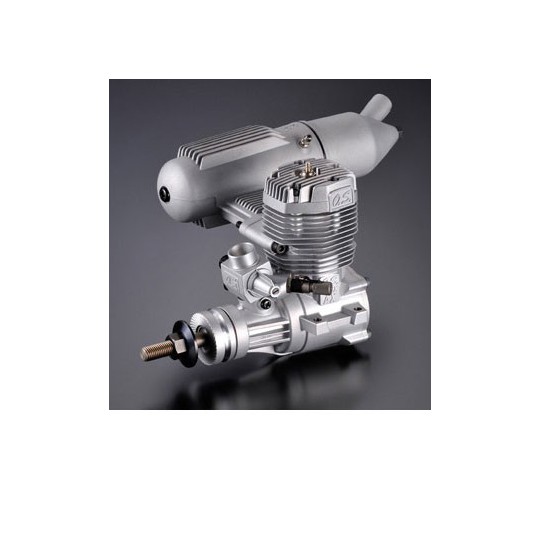
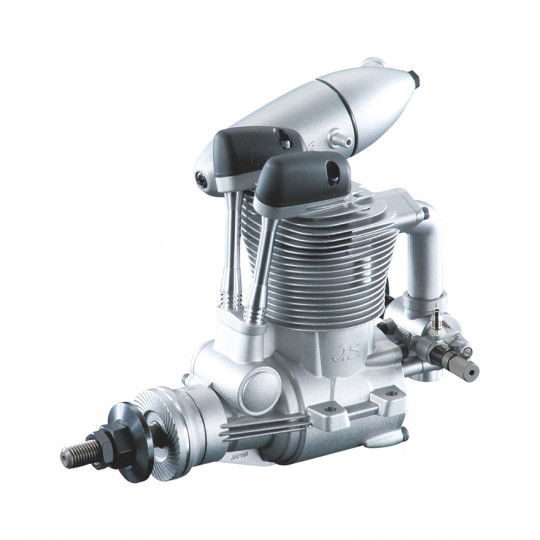
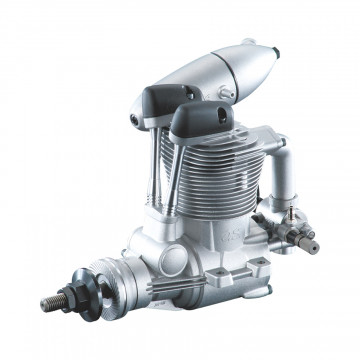
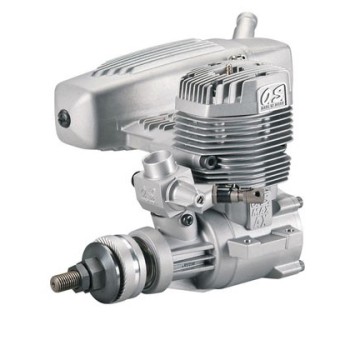
Radio-controlled FS 95V thermal engine€289.95 - ref. S08530900 |
|
|
|
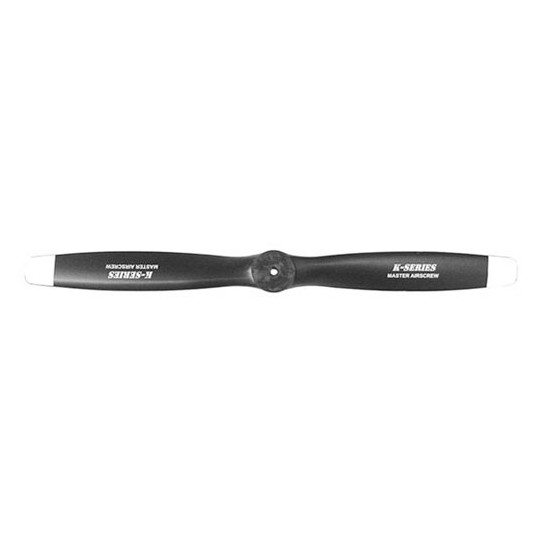
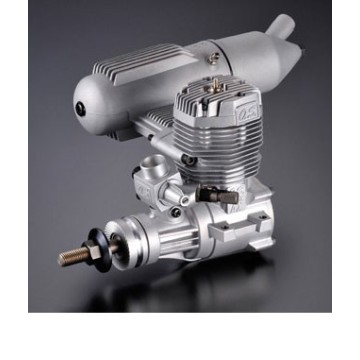
Remote-controlled 75 AX thermal engine€209.95 - ref. S08517400 |
|
|
|
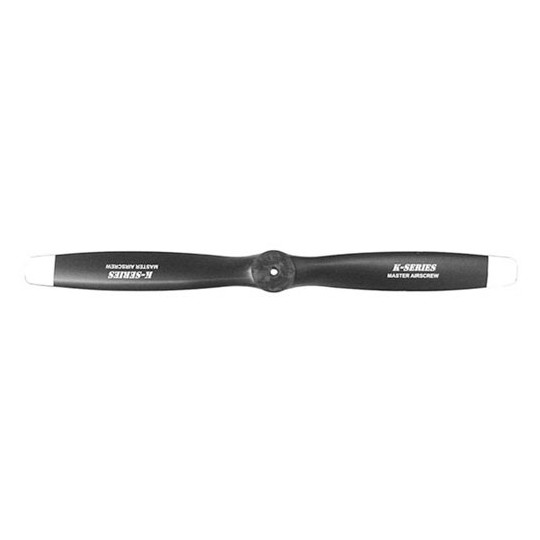
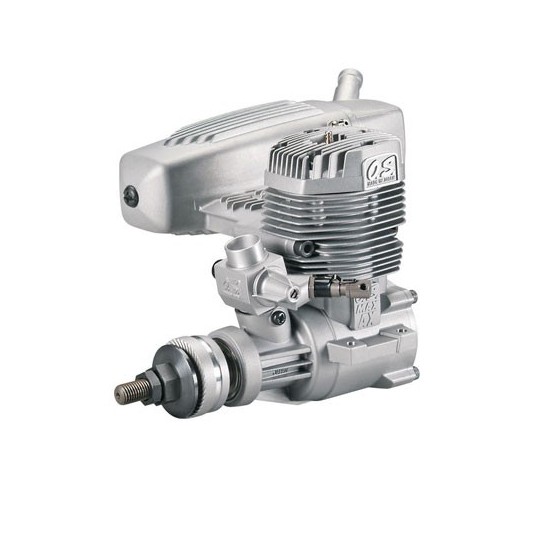
Remote-controlled 65 AX thermal engine€195.00 - ref. S08516521 |
Fast shipping
Via Chronopost 24H
Via DPD 24/48H
Colissimo 48/72H
330255 products in stock
Real-time stock displayed
Secure payment




Secure payment
In 3 or 4 installments

 4.6/5
4.6/5

Specialist since 1955
Fast shipping
Via Chronopost 24H
Via DPD 24/48H
Colissimo 48/72H
330255 products in stock
Real-time stock displayed
Secure payment
Secure payment
In 3 or 4 installments
4.6/5
Specialist since 1955
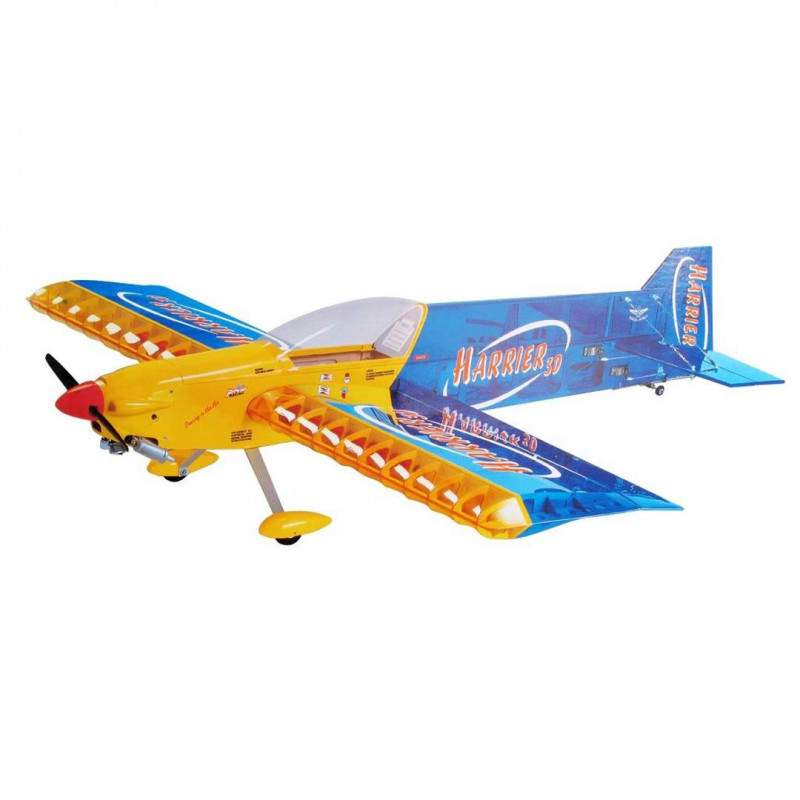
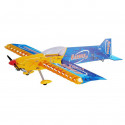
The Harrier 3D FunFly 1.5m 15cc ARF from Seagull Models is a radio-controlled airplane designed primarily for aerobatic enthusiasts, FunFly lovers, and acrobatic pilots.
With its 1.50m wingspan, compact fuselage, and large control surfaces, it stands out as a particularly interesting 3D RC thermal airplane for pilots looking for a machine capable of performing precise maneuvers.
Unlike a semi-scale type airplane mainly intended for realistic flight, the Harrier 3D clearly emphasizes acrobatic capabilities.
Its design allows for harnessing the full power of the propulsion system and maintaining effective control of the model at low speeds.
The result is an airplane particularly suitable for FunFly, traditional aerobatics, and initial steps into 3D flying.
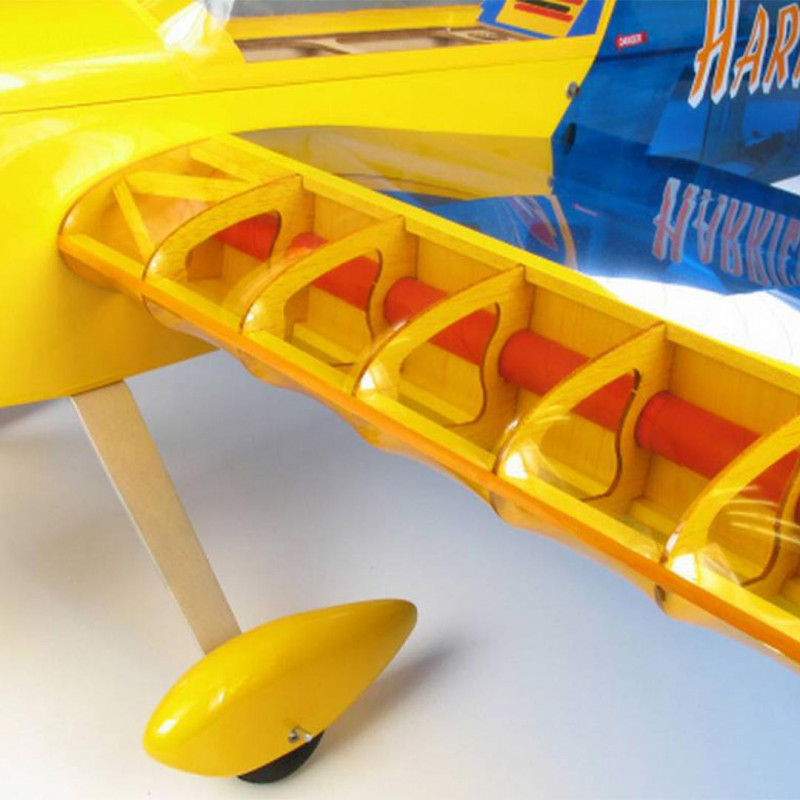
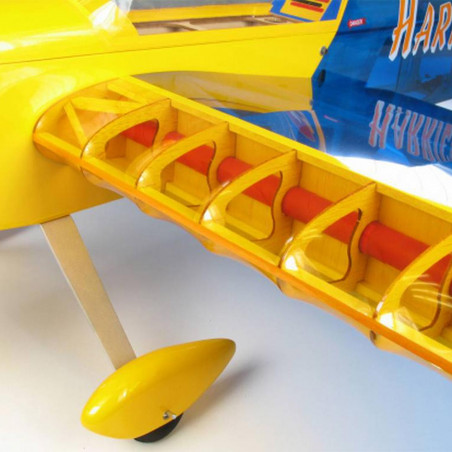
The Harrier 3D is based on a traditional construction combining balsa and plywood.
This type of construction results in a fuselage that is both lightweight and sufficiently strong to withstand the stresses generated by acrobatic maneuvers.
For a stunt RC airplane, mass is a crucial element. An overly heavy fuselage increases flight speed and reduces the airplane's ability to fly slowly or perform certain maneuvers.
On the contrary, the Harrier benefits from a design aimed at maintaining a favorable power-to-weight ratio.
The fuselage comes in an ARF (Almost Ready to Fly) finish. A significant portion of the construction work is done at the factory, allowing the modeler to dedicate more time to installing the propulsion system, radio equipment, and adjustments.
Balsa is particularly suitable for building radio-controlled aerobatic airplanes due to its excellent weight-to-strength ratio.
Plywood is used in areas requiring more rigidity, especially around components subjected to significant stresses.
This combination allows for constructing a fuselage that is rigid enough to efficiently transmit controls while maintaining a reasonable mass.
The uniqueness of the Harrier 3D lies in its design oriented towards acrobatic maneuvers.
The generous control surfaces allow for significant deflections and good responsiveness on all three axes.
This configuration is particularly interesting for pilots looking to practice:
The exact behavior of the model will naturally depend on deflections, center of gravity, propeller, and chosen propulsion system.
Gradual adjustment of controls is recommended for initial flights.
The Harrier 3D FunFly is designed to accommodate a thermal propulsion system ranging from 10 to 15cc.
This displacement range allows adapting the airplane's behavior to the desired performance level.
A lower-end propulsion system helps maintain a smoother and more enjoyable model for classic aerobatic flying.
Moving towards a 15cc propulsion system provides more power and reserves for 3D maneuvers.
The choice of the engine should naturally consider its weight, operating speed, and the propeller used.
For a pilot seeking a 15cc thermal RC airplane, the Harrier offers a particularly coherent configuration.
The available power allows for exploiting the FunFly capabilities of the fuselage and maintaining a significant power reserve during vertical maneuvers or low-speed flights.
A properly sized propulsion system also enables quickly regaining power when needed.
However, it is important to adhere to the manufacturer's recommendations regarding the propulsion system, propeller, and final model weight.
With its 1,500mm wingspan, the Harrier 3D falls into a particularly convenient category for transportation.
It offers a sufficient size to be clearly visible in flight while being easier to transport than a larger 2-meter model.
The detachable wing helps reduce bulk during transportation and storage.
This is a significant advantage for modelers looking for a thermal aerobatic RC airplane that can be easily transported to the flying field.
The term FunFly summarizes the philosophy of the Harrier 3D.
The goal is not to offer a plane intended for a very specific discipline, but a machine capable of providing maximum enjoyment during flying sessions.
The Harrier can be used for leisure flights, acrobatic maneuvers, and precision exercises.
Its behavior also allows the pilot to gradually progress in aerobatic flying.
The Harrier can accompany the evolution of a pilot who already masters the basics of flying.
The initial flights can be done with reasonable control surface deflections to discover the model's behavior.
Once the pilot is familiar with the aircraft, gradually increasing the control surface deflections allows for further exploration of the model's aerobatic potential.
This ability to evolve is one of the main advantages of an RC FunFly plane.
The Harrier 3D has a wing area of approximately 61.18 dm².
This significant wing area relative to the size of the aircraft contributes to its ability for slow flight.
For RC 3D flying, the ability to maintain control of the aircraft at low speeds is essential.
The pilot can thus utilize the aircraft's capabilities to perform slow passes and certain maneuvers requiring reduced speed.
The power system also plays a crucial role: sufficient power allows maintaining altitude during high angle maneuvers.
The estimated flying weight is around 3.2 to 3.6 kg, depending on the chosen equipment and power system.
This range maintains a particularly suitable ratio between size, power, and wing loading for a FunFly plane.
As always in aeromodelling, the final weight will depend on the power system, radio equipment, power source, and installed accessories.
To preserve the aerobatic characteristics of the model, it is advisable to avoid unnecessarily heavy equipment.
The Harrier 3D is delivered in ARF format.
The fuselage, wings, and main components of the aircraft are factory-prepared, significantly reducing the construction time.
The modeler mainly needs to perform the final assembly and install:
This approach is particularly suitable for modelers who prefer to dedicate more time to flying than to the complete construction of an aircraft.
A 3D aerobatic plane requires a reliable and properly sized radio setup.
The servos must be powerful enough to ensure precise control of the large control surfaces.
It is also important to pay attention to the linkages to minimize mechanical play.
In a 3D RC plane, any play in a control can reduce flying precision and make certain maneuvers less clean.
I recommend paying particular attention to setting up the controls and adjusting the deflections before the first flight.
The center of gravity also plays a crucial role in the Harrier's behavior.
An adjustment following the manufacturer's instructions is the best starting point.
After the initial flights, an experienced pilot can gradually fine-tune the center of gravity based on the desired behavior.
For 3D-oriented use, an appropriate adjustment helps maintain a sufficiently neutral and maneuverable model during low-speed maneuvers.
The Harrier 3D FunFly is not intended for complete beginners.
Although its design can provide stable behavior with appropriate settings, the power system and aerobatic capabilities of the model require a good mastery of radio-controlled aircraft controls.
I recommend it more for a pilot who has already accumulated several hours of flight on a conventional RC plane and wants to explore aerobatics more deeply.
It also offers an interesting solution for an experienced modeler looking for an intermediate-sized 3D aerobatic plane.
One of the main advantages of the Harrier is its potential for progression.
The pilot can start by exploring the classic capabilities of the aircraft before gradually increasing control surface deflections and tackling more technical maneuvers.
This progression helps to better understand the reactions of a 3D plane and gradually develop the precision of the controls.
The Harrier can thus become a real tool for progression in practicing radio-controlled aerobatics.
The Harrier 3D FunFly 1.5m combines several characteristics sought after by aerobatics enthusiasts:
This combination makes it a particularly interesting model for modelers looking for a radio-controlled aerobatic thermal plane without moving to a very large airframe.
| Characteristic | Data |
|---|---|
| Brand | Seagull Models |
| Model | Harrier 3D FunFly |
| Reference | SEA 038B / S144038B |
| Type | RC FunFly / 3D thermal airplane |
| Finish | ARF |
| Wingspan | 1,500 mm |
| Length | 1,700 mm |
| Wing area | 61.18 dm² |
| Flying weight | Approximately 3.2 to 3.6 kg |
| Thermal power system | 10 to 15 cm³ |
| Construction | Balsa and plywood |
| Usage | FunFly, aerobatics, 3D |
| Wing | Removable |
The Seagull Harrier 3D FunFly is a machine designed for those who primarily want to enjoy flying.
With its 1.50m airframe, lightweight construction, 10 to 15 cm³ power system, and significant aerobatic capabilities, it is a particularly versatile radio-controlled thermal plane.
It allows for practicing classic aerobatics while providing the necessary potential to gradually transition to 3D flying.
For a modeler looking for a FunFly radio-controlled plane, a 15cc RC plane, a thermal aerobatic model, or a Seagull Models airframe designed for 3D maneuvers, the Harrier is a particularly interesting solution.
Its size remains compact enough for easy transportation, while offering a significant presence in flight and acrobatic potential that allows for numerous flying possibilities.