-
News to come
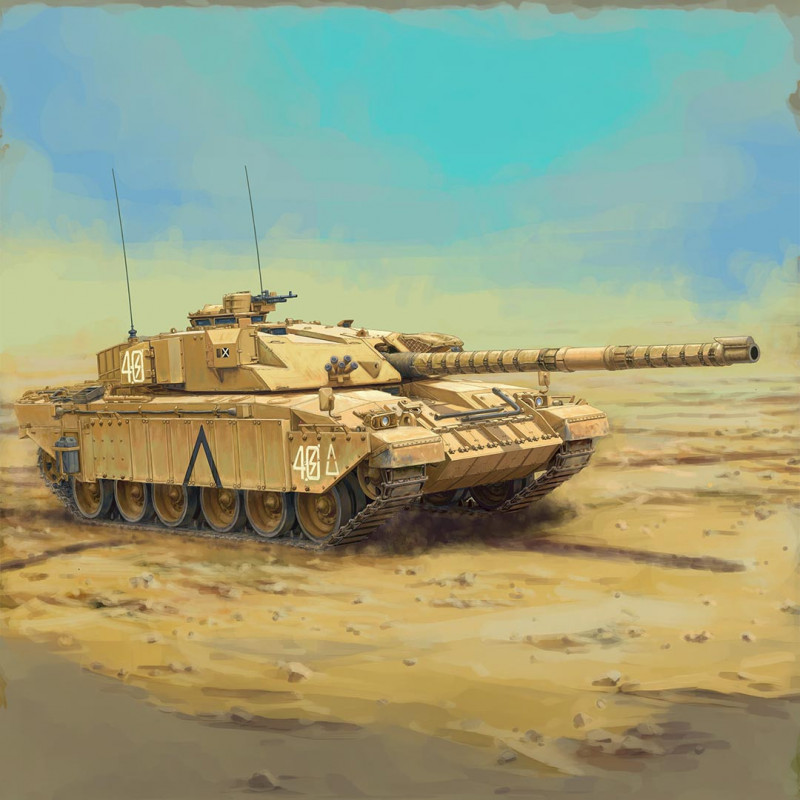
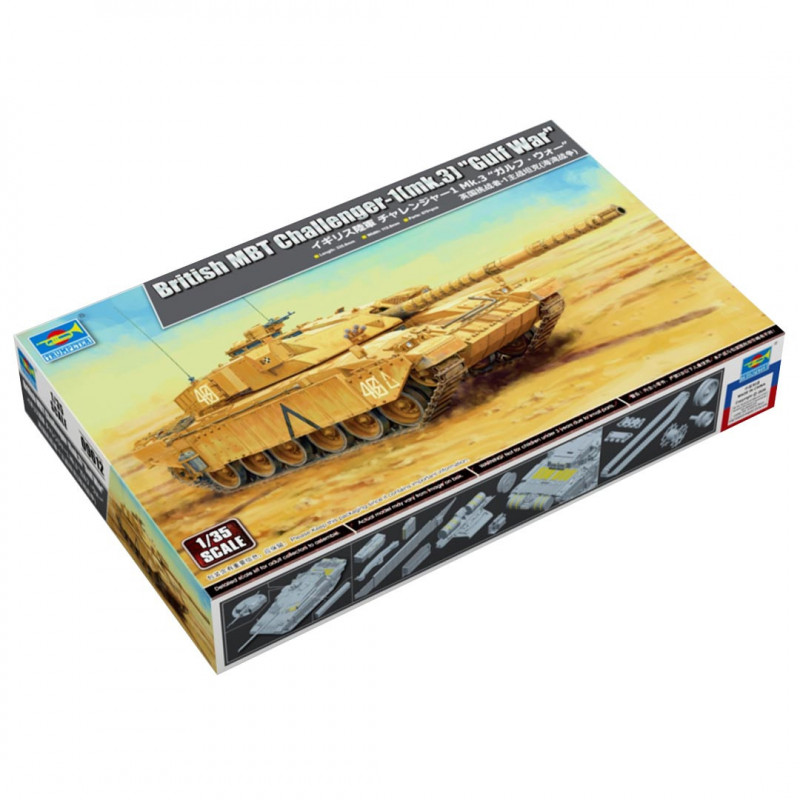
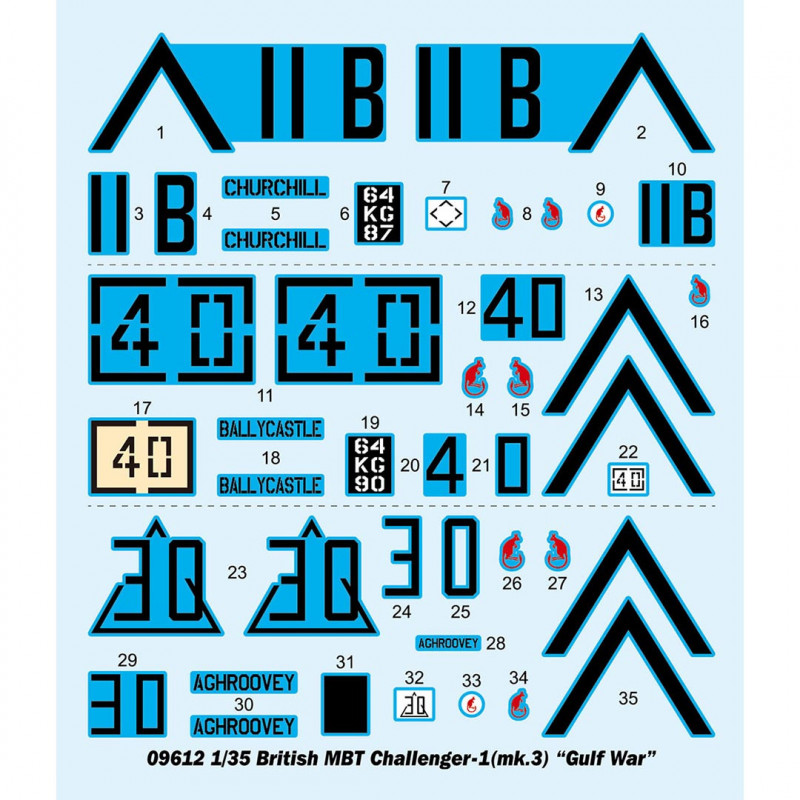
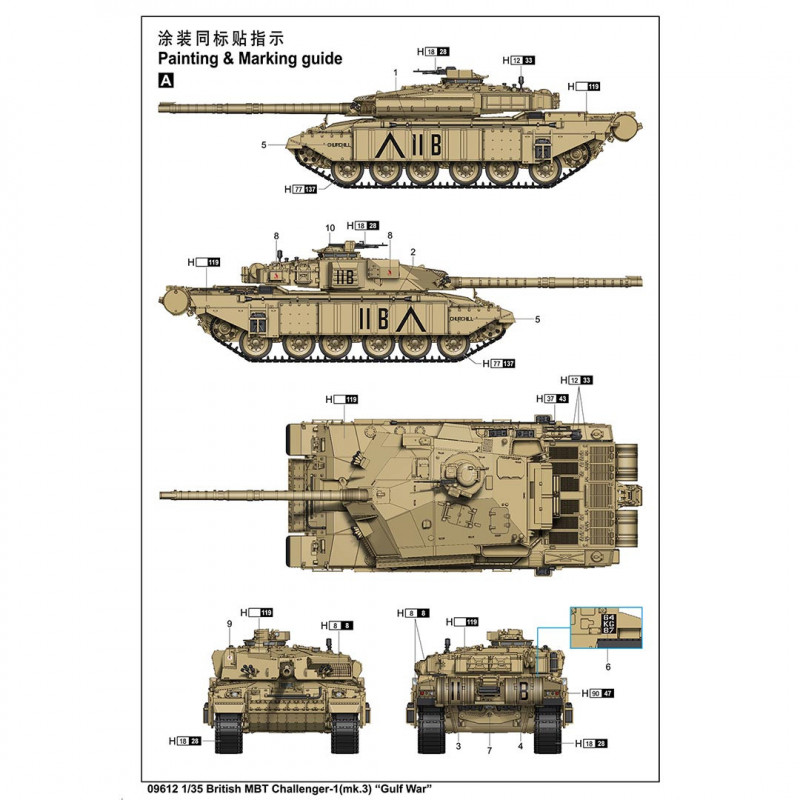
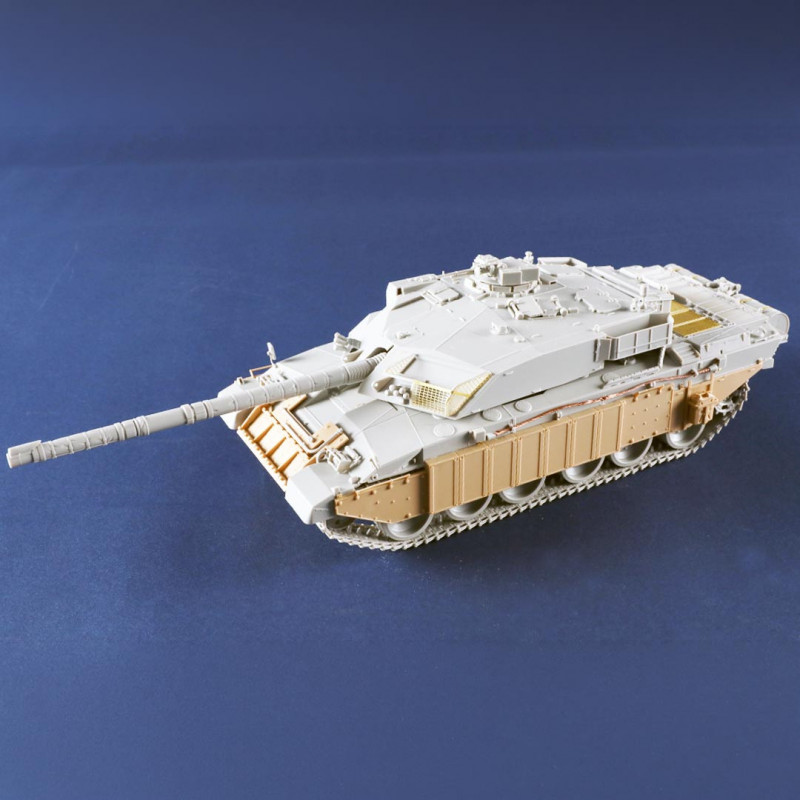
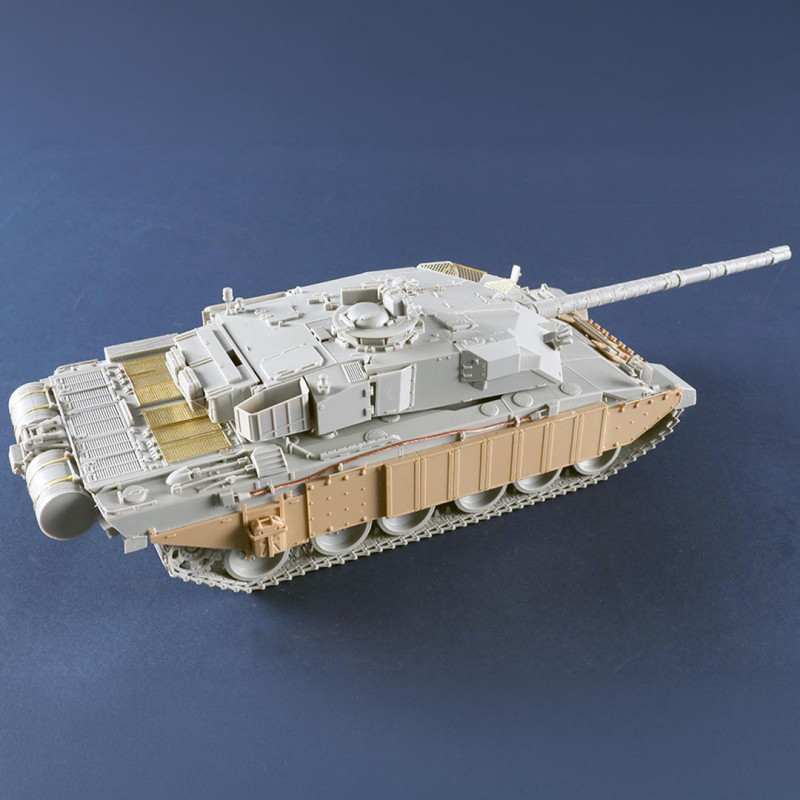
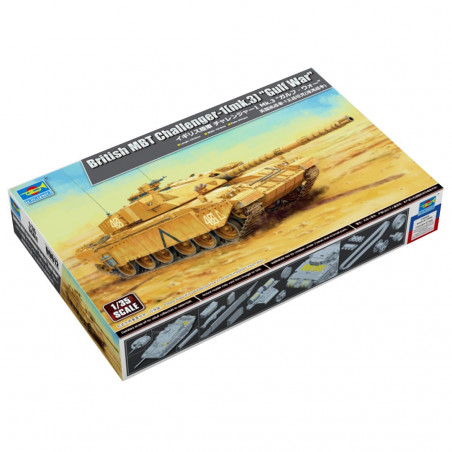
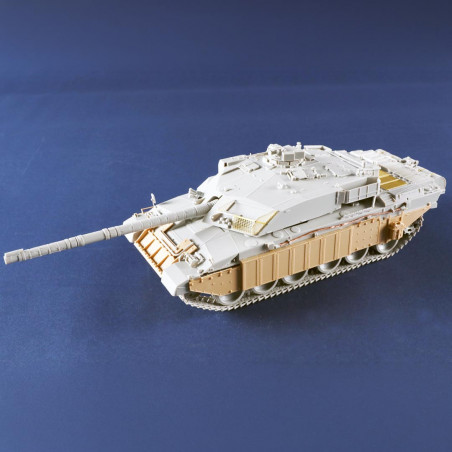
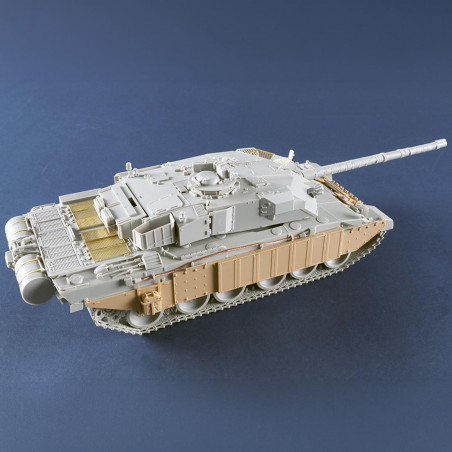
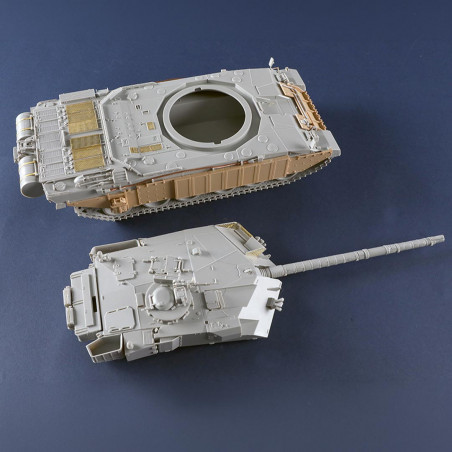
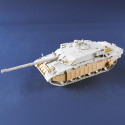
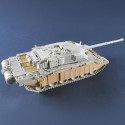
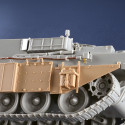
The Trumpeter Challenger 1 Mk.3 "Gulf War" 1/35 model kit reference 09612 reproduces the British battle tank in its configuration used during the 1991 Gulf War.
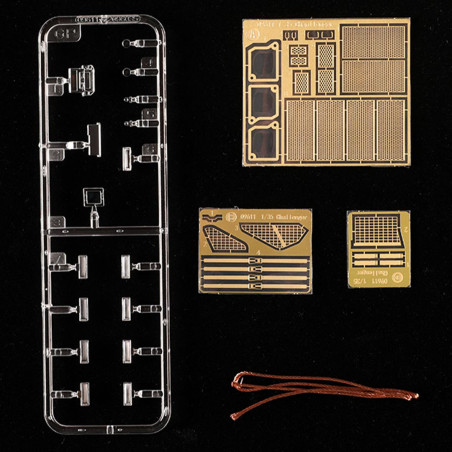
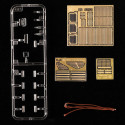
With over 670 parts, individual link tracks, three photo-etched sheets, and a copper cable, this new Trumpeter release is aimed at modern military model enthusiasts and vehicles involved in Operation Granby.

Trumpeter Challenger 1 Mk.3 Gulf War 1/35 – 09612
Fast shipping
Via Chronopost 24H
Via DPD 24/48H
Colissimo 48/72H
326864 products in stock
Real-time stock displayed
Secure payment




Secure payment
In 3 or 4 installments

 4.6/5
4.6/5

Specialist since 1955
Fast shipping
Via Chronopost 24H
Via DPD 24/48H
Colissimo 48/72H
326864 products in stock
Real-time stock displayed
Secure payment
Secure payment
In 3 or 4 installments
4.6/5
Specialist since 1955
Reference 09612 is a plastic model to assemble and paint, measuring approximately 335.8 mm in length by 112.8 mm in width once assembled.
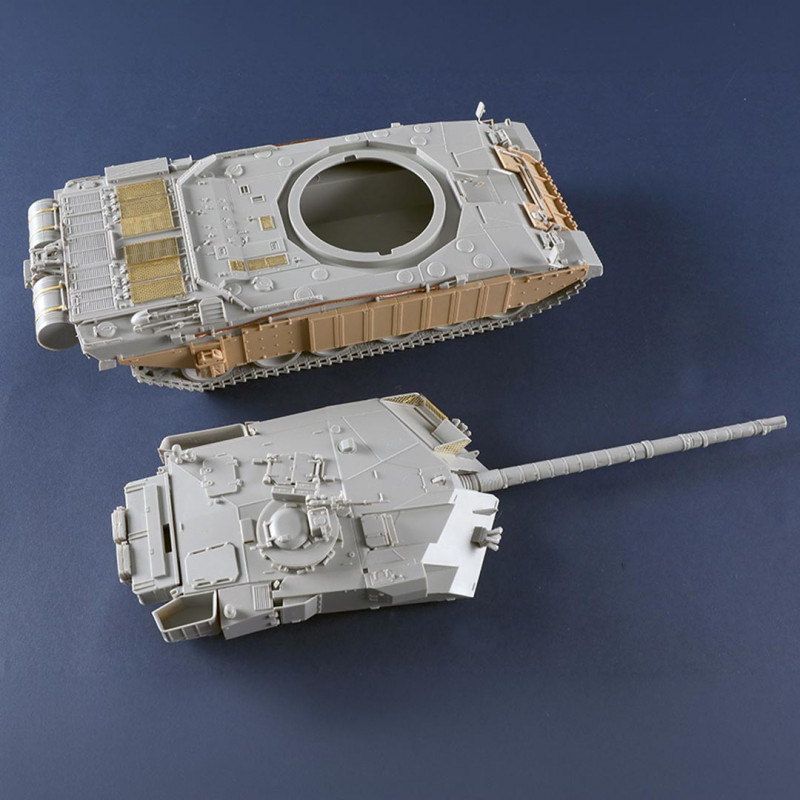
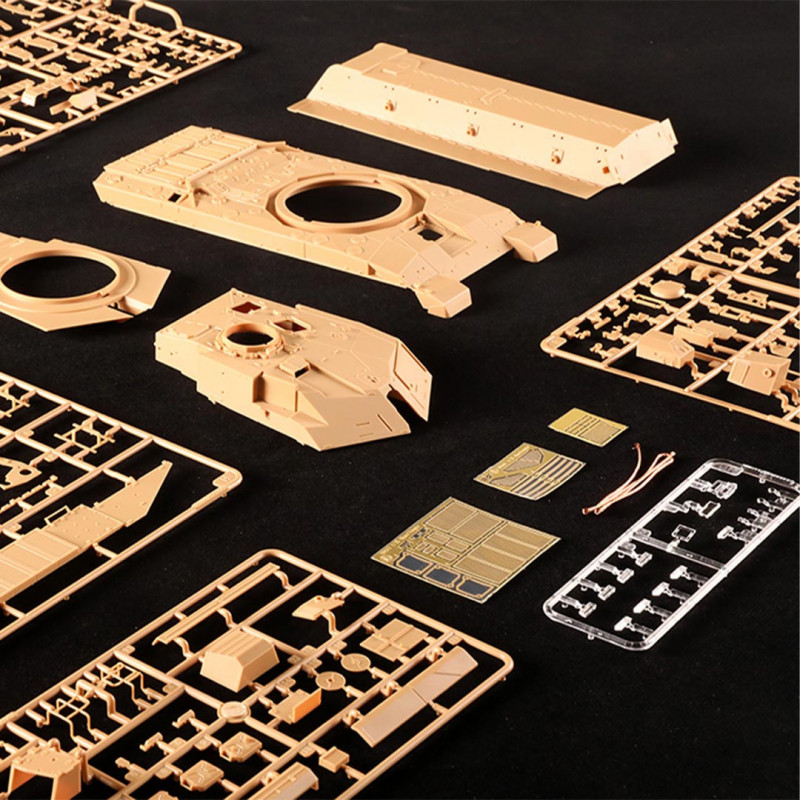
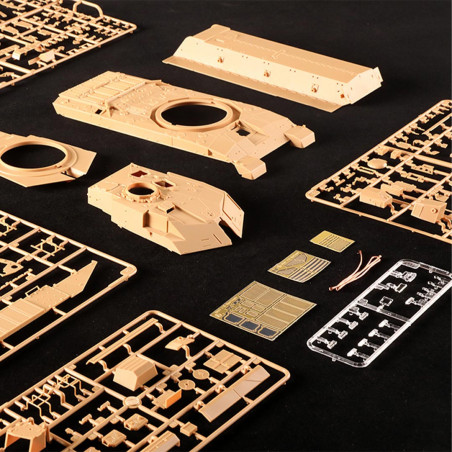
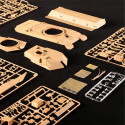
Trumpeter announces over 670 parts spread across 14 sprues, in addition to the upper and lower parts of the hull as well as the turret. The manufacturer also indicates having worked on the details of the kit.
Here are the main characteristics of this reference:
| Characteristic | Trumpeter 09612 |
|---|---|
| Type | Model plastic tank |
| Vehicle | British Challenger 1 Mk.3 "Gulf War" |
| Scale | 1/35 |
| Reference | 09612 |
| Assembled Length | 335.8 mm |
| Width | 112.8 mm |
| Number of Parts | Over 670 |
| Sprues | 14 |
| Photo-Etched Parts | 3 sheets |
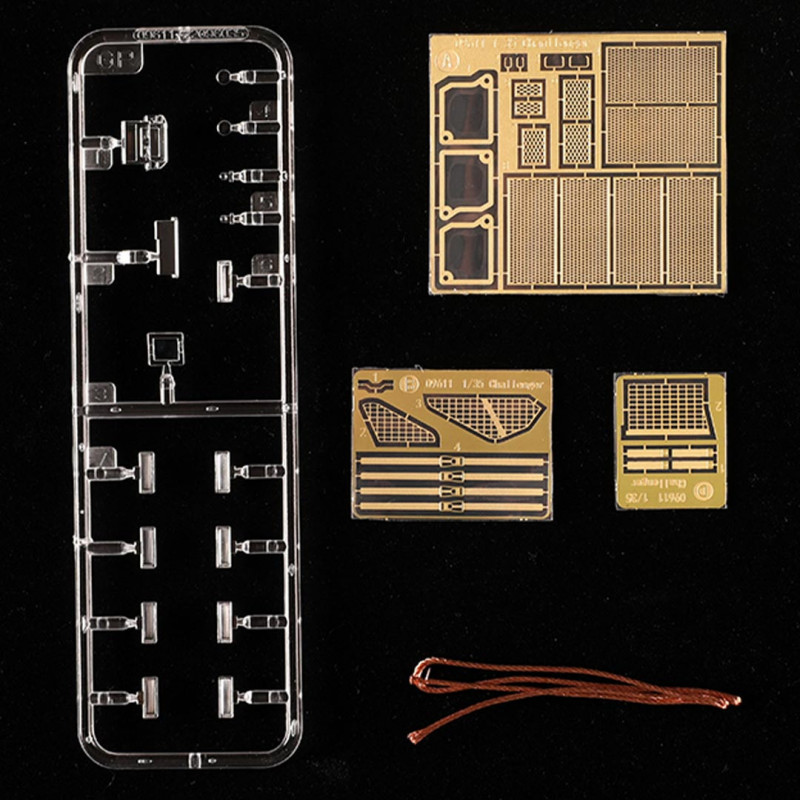
| Metal Part | Copper cable |
| Tracks | Individual links |
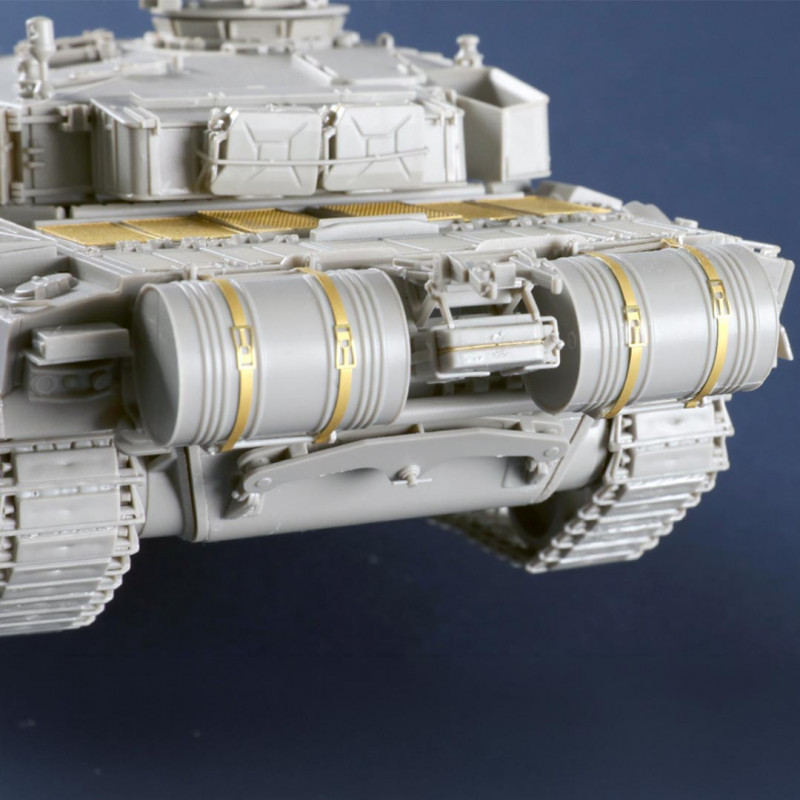
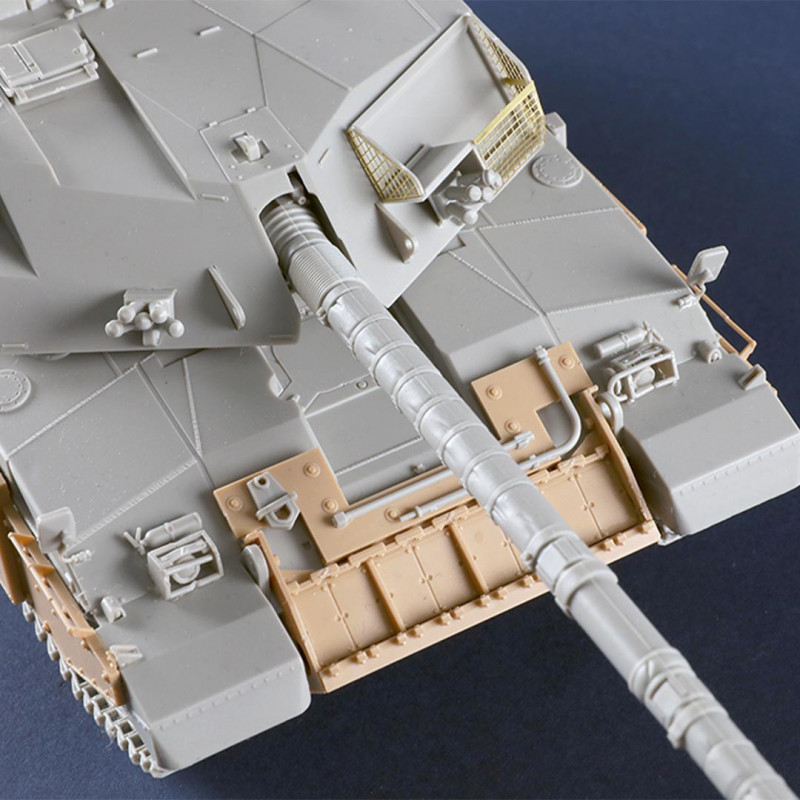
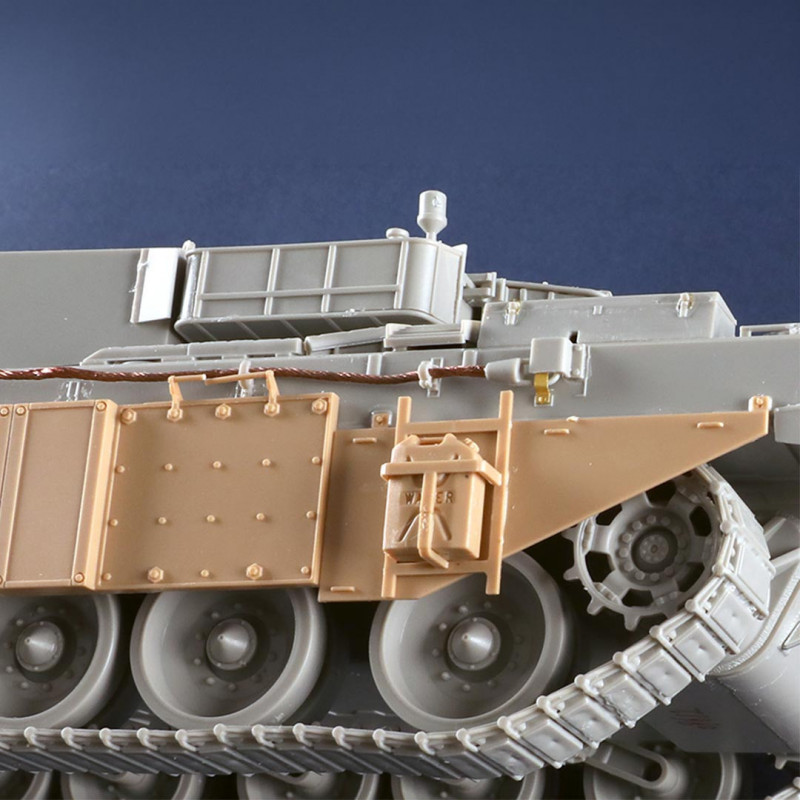
The kit combines plastic parts, photo-etched parts, and metal cable to reproduce the tank with a level of detail suitable for the 1/35 scale.
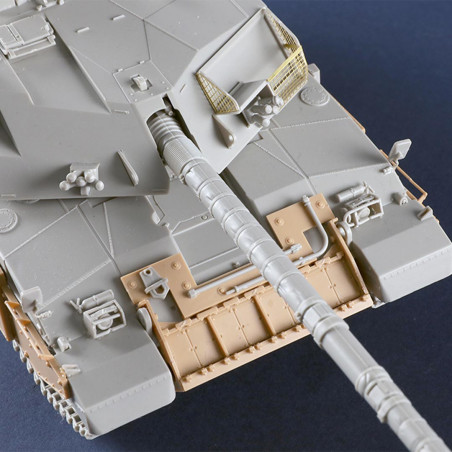
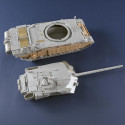
The upper hull, lower hull, and turret use multidirectional slide molding techniques. This method allows for the reproduction of certain reliefs and complex details directly in the molded parts.
The kit includes:
This combination provides the modeler with multiple levels of detail to work on, from the large hull pieces to small accessories and metal elements.
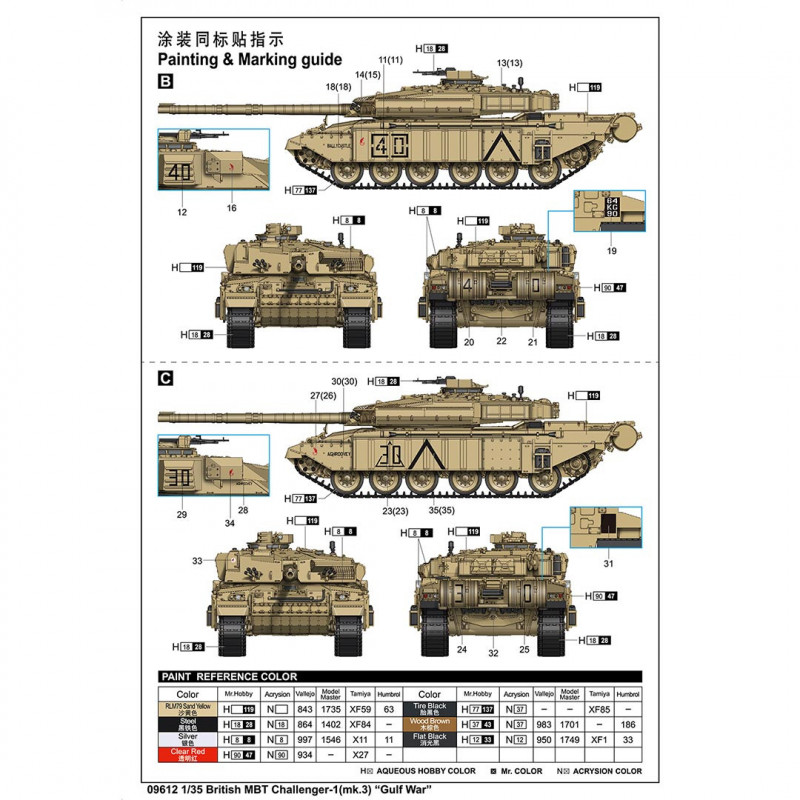
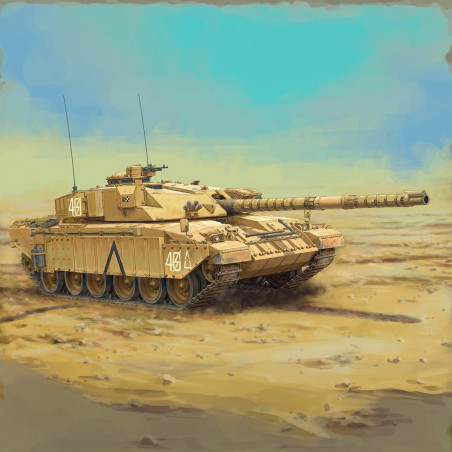
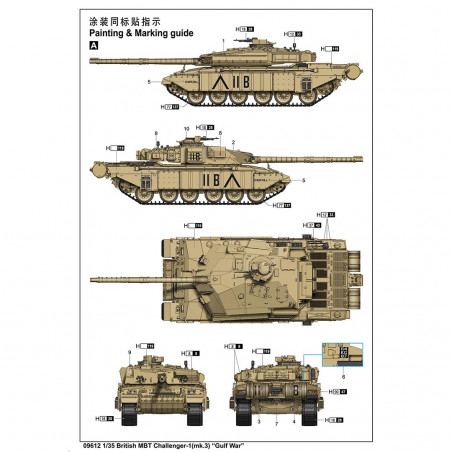
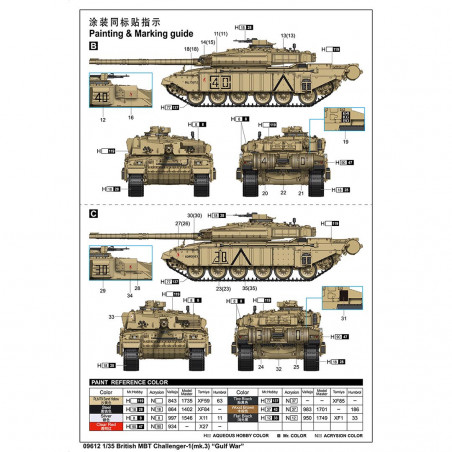
The version represented by Trumpeter corresponds to the Challenger 1 Mk.3 used by the British army during the 1991 Gulf War.
For Operation Granby, the Challenger 1s received various adaptations for desert conditions, including additional equipment, reinforced protection, and modifications related to their use in the Middle East. The deployed vehicles also received a characteristic sand finish.
Reference 09612, therefore, does not simply represent a generic Challenger 1 Mk.3. It focuses on a specific historical configuration, particularly recognizable to modern armored vehicle enthusiasts.
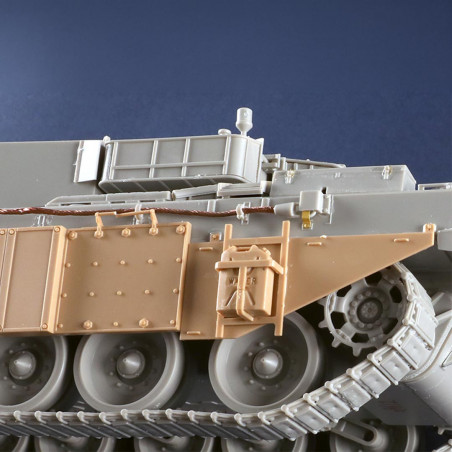
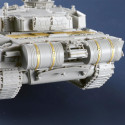
Individual link tracks allow for a finer reproduction of a tank's running gear at 1/35 scale.
Each element needs to be detached, prepared, and assembled. The work is more time-consuming than that required by a single-piece molded flexible track, but it offers more possibilities to reproduce the geometry and appearance of the running gear.
On a Challenger 1 intended for a desert diorama, this feature becomes particularly interesting. The modeler can work on weathering, dust, and terrain effects around the tracks.
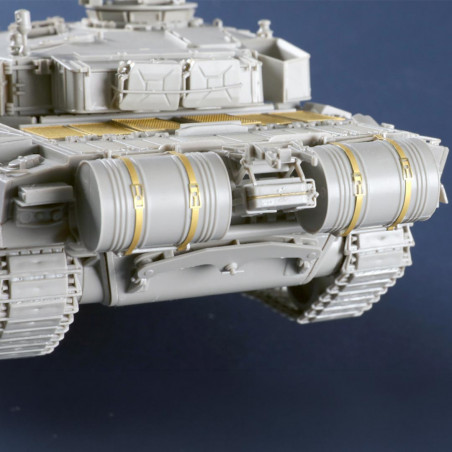
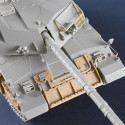
Three photo-etched sheets allow for refining certain elements that are difficult to reproduce with plastic parts.
Metal parts are particularly suitable for thin elements, where the thickness of the plastic might appear excessive at 1/35 scale. Trumpeter combines this photo-etching with the copper cable provided in the box.
I recommend having fine tweezers and a precision blade to work on these elements. A small amount of cyanoacrylate may also be necessary depending on the assemblies.
The Challenger 1 Mk.3 09612 is more suitable for a modeler with some experience in assembling 1/35 scale armored vehicles.
The number of parts remains reasonable for this scale, but the individual links, photo-etching, and numerous small details require precision.
I recommend assembling the running gear in stages, then working separately on the hull and turret. This method helps facilitate painting and weathering before final assembly.
The Gulf War configuration is particularly suitable for a diorama dedicated to Operation Granby or British armored vehicles from the Gulf War.
The sand camouflage, additional equipment, and the possibility to work on dust effects offer numerous finishing possibilities.
For example, you can depict the tank on a desert ground, with track marks and a patina suitable for an arid environment. The Challenger 1 can also be associated with British figurines or other military vehicles from the same period.
The desert configuration of the Challenger 1 requires a sand base rather than a classic British camouflage.
The vehicles sent to the Gulf were repainted in a sand color to adapt to their new operational environment. The finish could retain some effects related to the application on existing vehicles, allowing the modeler to work on a slightly nuanced paint rather than a perfectly uniform surface.
For weathering, I would prioritize light dust effects on the lower parts, running gear, and exposed areas. However, it is important to avoid overloading the model: the Gulf War Challenger 1 remains a modern vehicle, with a finish different from that of an armored vehicle that has spent several years in the field.
The Challenger 1 is the first British main battle tank to bear this name. It entered service in the British Army in 1983, after being developed from the Shir 2 project stemming from the Chieftain program. Its Chobham composite armor is one of its major features.
However, it was during the 1991 Gulf War that the Challenger 1 gained its greatest operational notoriety. Over 220 units were deployed as part of the British Operation Granby, with modifications for the desert environment.
The British tank notably features its L11A5 120mm rifled gun, fire control system, and the protection provided by Chobham armor. During combat, its long-range firing capabilities were a significant advantage against Iraqi tanks.
On February 26, 1991, a British Challenger 1 notably destroyed an Iraqi T-55 at a distance of 4.7 km with an APFSDS round. This engagement is commonly cited as the longest successful tank-to-tank shot of the Gulf War.
The Challenger 1 would gradually be replaced by the Challenger 2 starting in the 1990s. However, its involvement in the Gulf War remains one of the most well-known episodes in its operational history.
Reference 09612 is a plastic model kit in 1/35 scale.
Trumpeter advertises over 670 parts, spread across 14 sprues, including the hull and turret.
Yes. The kit uses individual links, allowing for a detailed representation of the running gear.
Yes. Trumpeter provides three sheets of photo-etched parts, as well as a copper cable.
It represents the Challenger 1 Mk.3 in its "Gulf War" configuration, associated with the British engagement during Operation Granby in 1991.
The finished model measures approximately 335.8 mm in length, with a width of 112.8 mm.