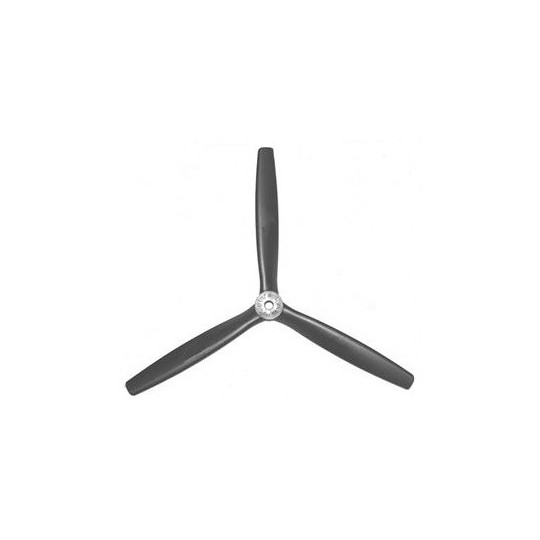
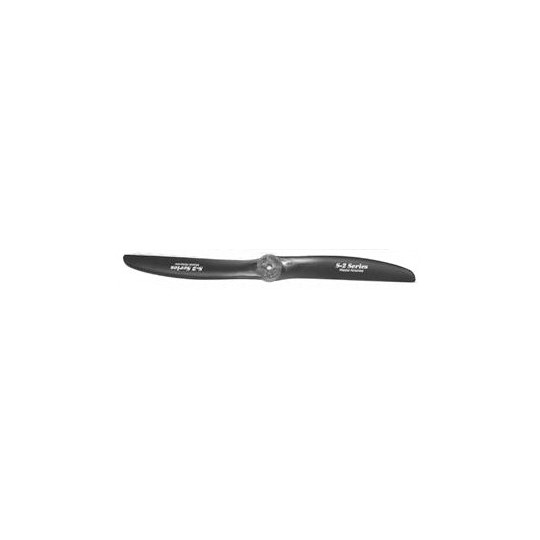
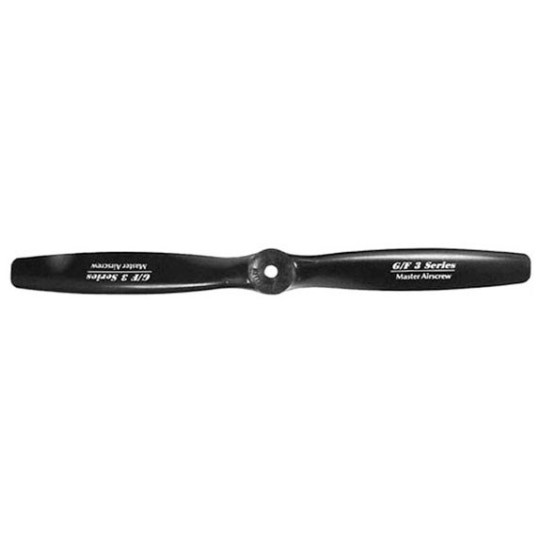
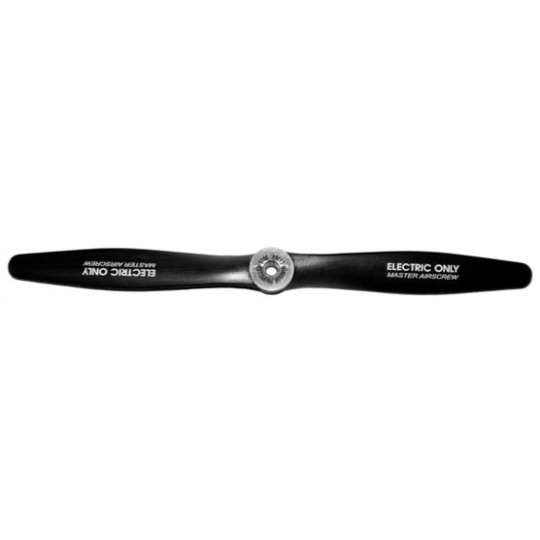
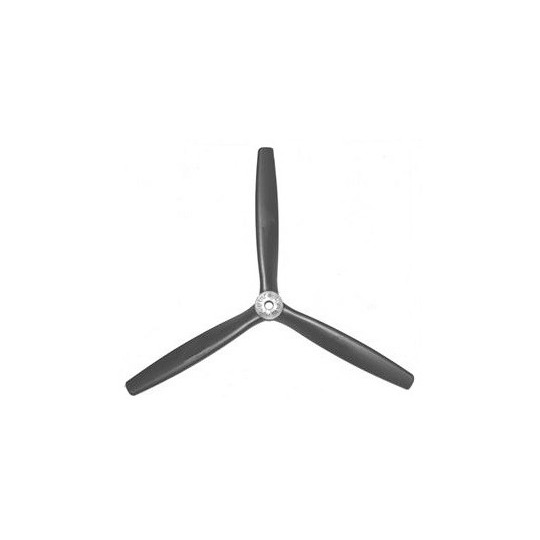
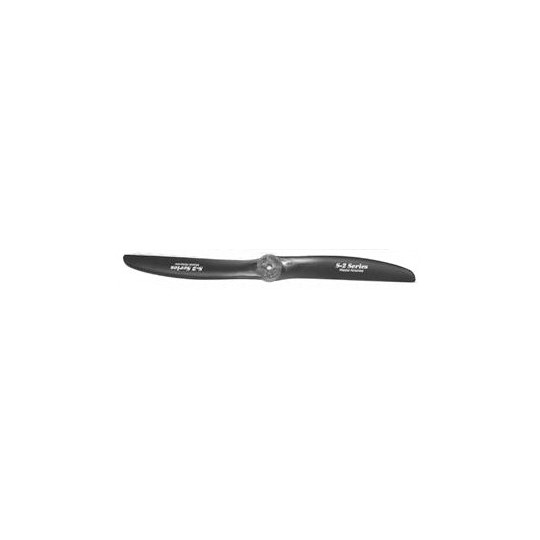
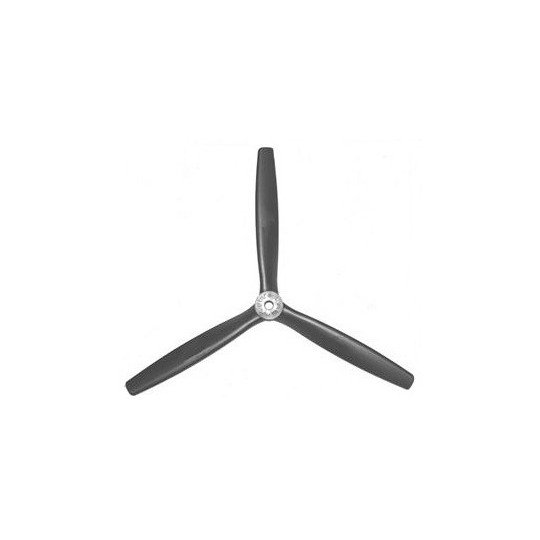
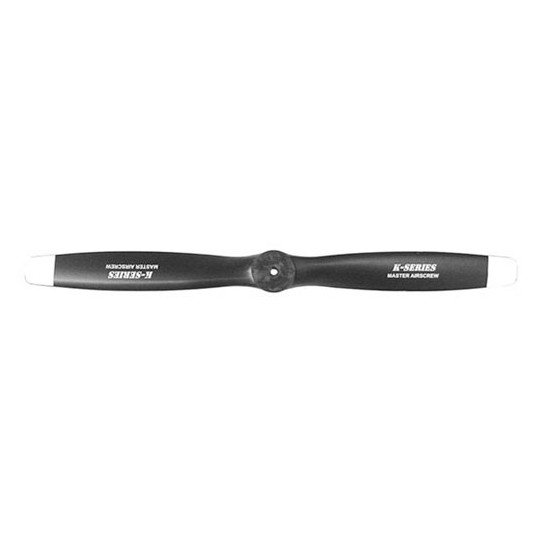
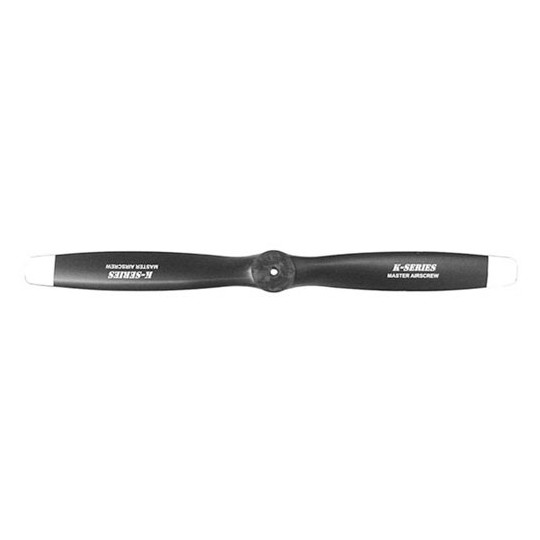
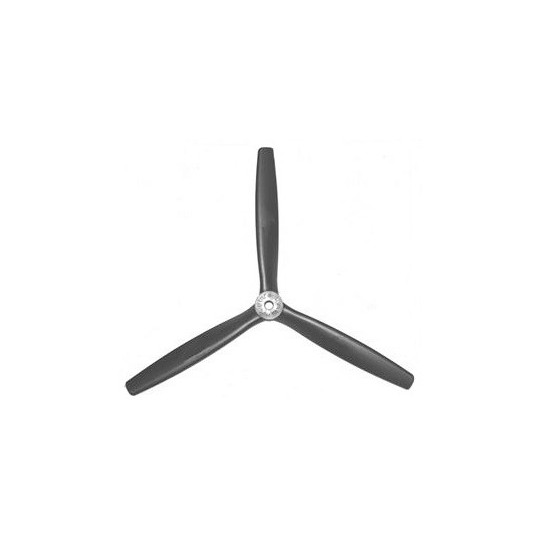
That is the question many model enthusiasts ask themselves when equipping their aircraft or boat.
A poorly chosen RC propeller can overheat a motor, drain a battery too quickly, or drastically reduce performance.
The diameter and pitch of a propeller directly influence speed, thrust, and power consumption.
A small propeller with a...
What is the best propeller for my motor?
That is the question many model enthusiasts ask themselves when equipping their aircraft or boat.
A poorly chosen RC propeller can overheat a motor, drain a battery too quickly, or drastically reduce performance.
The diameter and pitch of a propeller directly influence speed, thrust, and power consumption.
A small propeller with a high pitch often favors top speed.
A large propeller with a low pitch provides more torque and traction.
Choosing a propeller for a brushless motor depends heavily on the motor’s KV rating.
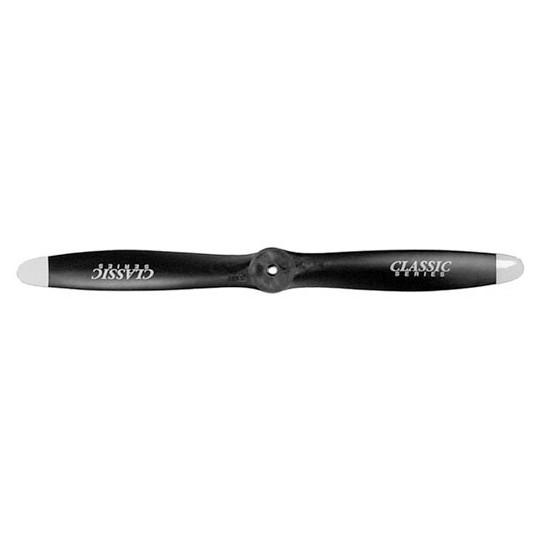
Carbon propellers offer excellent performance, but they require more caution.
In my opinion, using a wattmeter remains the best way to avoid mistakes.
Manufacturer recommendations provide an excellent starting point for choosing the right RC propeller.
An RC boat propeller does not work the same way as an RC airplane propeller.
Testing progressively remains essential for finding the best RC propeller for your motor.
When I see a model enthusiast changing the motor while keeping a completely unsuitable propeller, I immediately understand why the model performs poorly. Many people think a powerful motor alone is enough.
In reality, the RC propeller plays a critical role.
I even consider it just as important as the motor itself.
A bad propeller can cause several problems. The motor may heat up quickly, the ESC can suffer, and the battery may drain within only a few minutes. In some cases, the electronics may even burn out.
On the other hand, a well-chosen propeller completely transforms the behavior of the model.
You gain more speed, more torque, better battery life, and above all, a much healthier setup.
That is exactly why so many model enthusiasts are searching today for terms like: “how to choose an RC propeller” or “what propeller size for a brushless motor”.
I prefer to be direct, there is no single best RC propeller. Everything depends on the intended use.
Some people want pure speed. Others prioritize torque. Others are looking for realism for a scale boat or a vintage aircraft.
That is where things become truly interesting.
If you want to increase top speed, I generally recommend:
a smaller diameter
a higher pitch
This combination often allows the motor to reach higher RPMs.
However, caution is necessary.
Many beginners install a propeller that is too aggressive.
The motor then works extremely hard.
Power consumption rises sharply, sometimes dramatically.
For a heavy RC boat, a tugboat, or an aircraft requiring strong thrust, I usually recommend:
a larger diameter
a lower pitch
The motor then behaves differently. It develops more traction while operating more smoothly.
I find this configuration particularly enjoyable on realistic models.
When starting out, propeller dimensions often seem confusing. Yet understanding them changes everything.
The diameter corresponds to the total size of the propeller.
The larger the propeller:
the more air or water it moves
the more power it requires
the more thrust it generates
However, there is a limit. If the propeller becomes too large for the motor, the motor will heat up quickly.
That is exactly what model enthusiasts are searching for when typing: “propeller causing motor overheating”.
Pitch represents the theoretical distance the propeller travels during one full rotation.
I often compare it to a screw.
A high pitch favors speed. A low pitch improves acceleration and torque.
Here is a simple table that makes things much easier to understand.
Choosing a propeller for a brushless motor depends heavily on the KV rating.
KV indicates how many RPM the motor produces per volt.
The higher the KV rating, the faster the motor spins.
With a very fast motor, I almost always recommend a small propeller.
Why? Because a large propeller would place too much strain on the motor.
Example:
2200KV motor
small propeller
speed-oriented setup
This configuration works very well on certain fast RC boats or sport aircraft.
On the other hand, an 800KV or 1000KV motor often performs better with a larger propeller.
The motor develops more torque. It can therefore drive a larger propeller more efficiently.
I find this type of setup particularly interesting for:
scale aircraft
tugboats
realistic RC boats
This is probably the most important question of all.
Fortunately, some warning signs are obvious.
If you can barely touch the motor after a few minutes, there is a problem.
Very often, the propeller is too large, or the pitch is too high.
Many model enthusiasts forget to monitor the ESC.
Yet an overheating ESC often indicates excessive power consumption.
An unsuitable propeller can drain a LiPo battery at an astonishing speed.
In some cases, runtime may be cut in half.
In my opinion, the wattmeter is the most useful tool in electric RC modeling.
I consider it almost mandatory.
It allows you to measure:
amperage
power
voltage
real power consumption
Thanks to it, you immediately know whether an RC propeller matches the motor.
Without a wattmeter, many adjustments remain approximate.
Not all propellers are equal.
The material has a huge impact on performance.
Plastic propellers are affordable, lightweight, and perfect for beginners.
I often recommend them to newcomers.
Their flexibility also forgives certain mistakes.
Carbon propellers are much stiffer.
That rigidity improves efficiency.
The behavior becomes more precise and more responsive.
However, they are often more dangerous. A carbon propeller can cause serious injuries.
That is why I strongly recommend caution.
Metal propellers are commonly found on RC boats.
They offer:
excellent durability
very good efficiency
a realistic appearance
I find metal propellers absolutely beautiful on scale boat models.
Here is a very useful table for choosing an RC propeller according to the intended goal.
Some brands clearly dominate the market.
I am thinking especially of APC. Their propellers generally provide excellent balance.
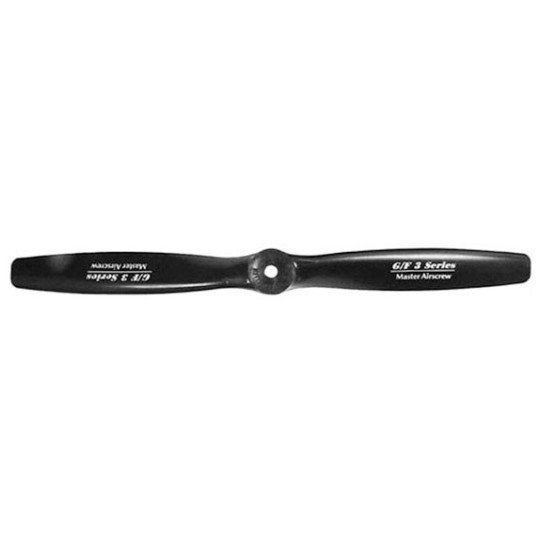
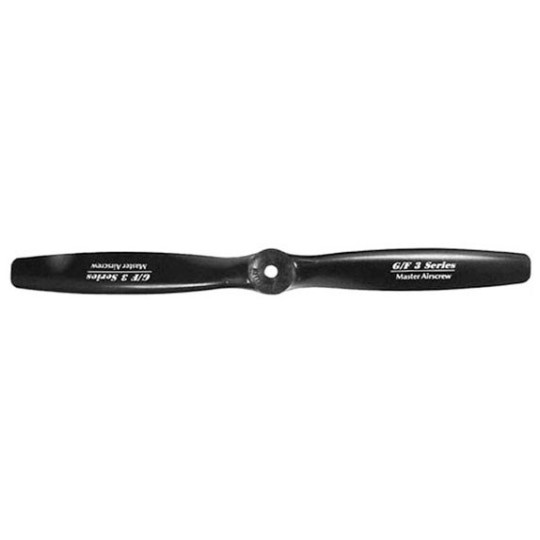
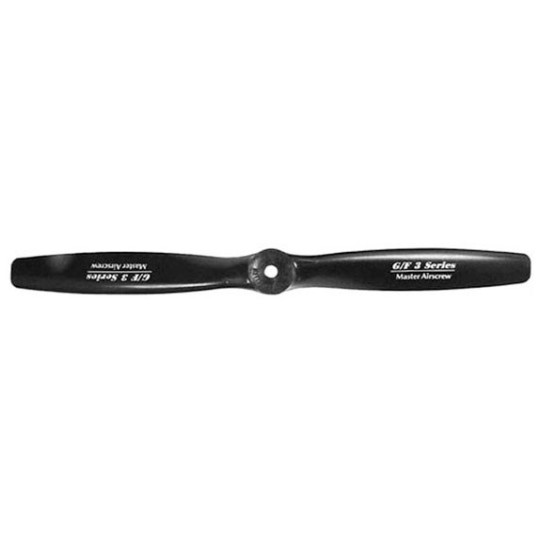
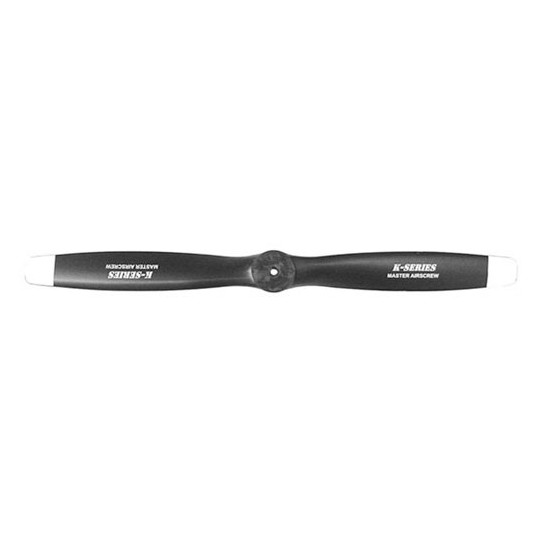
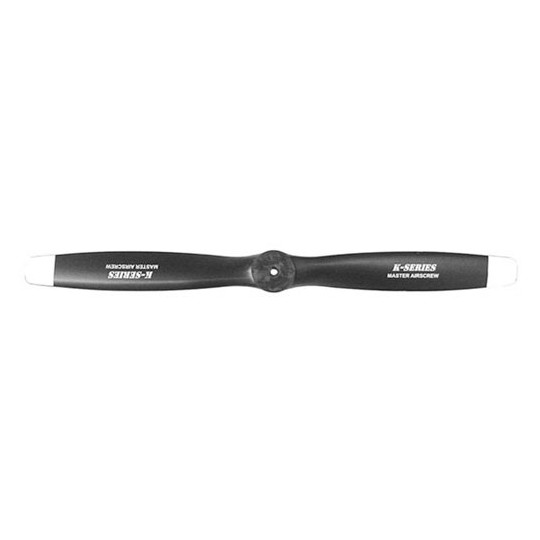
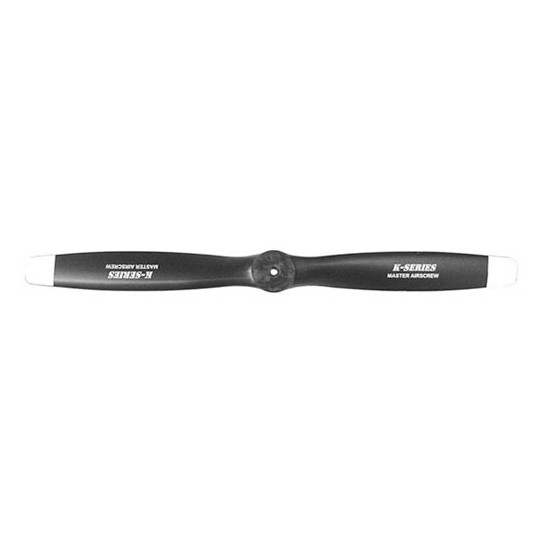
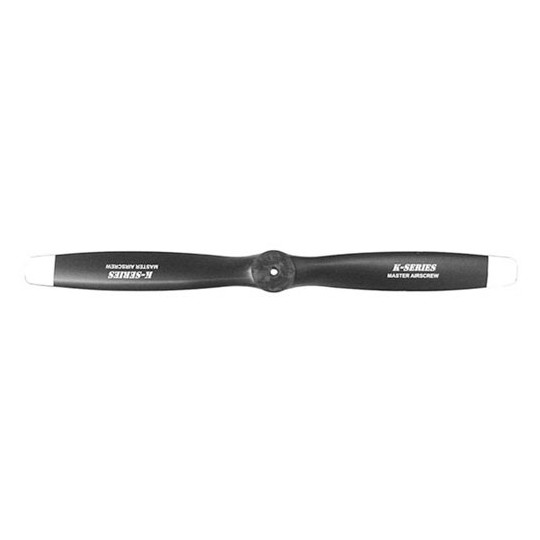
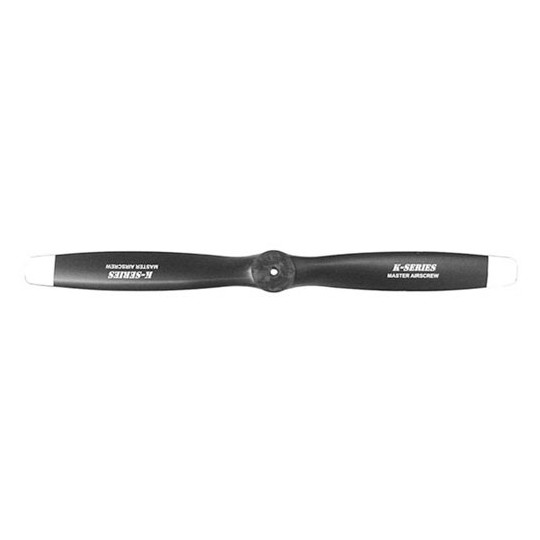
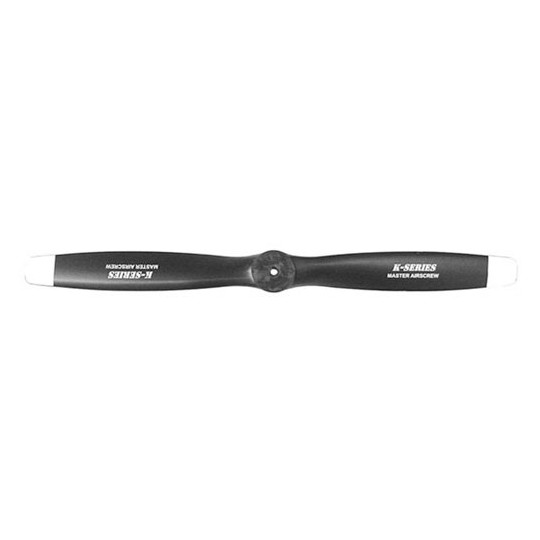
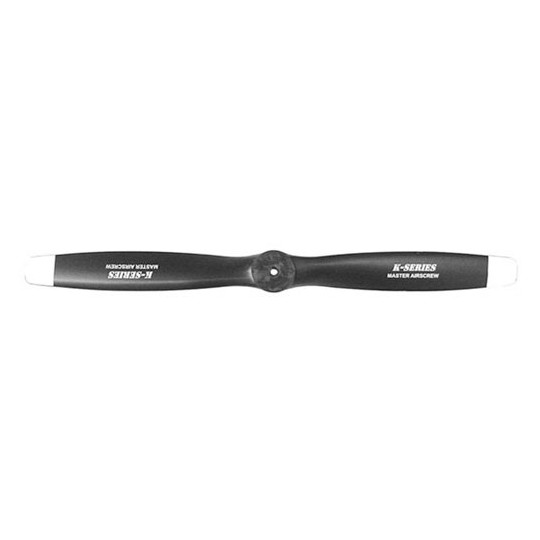
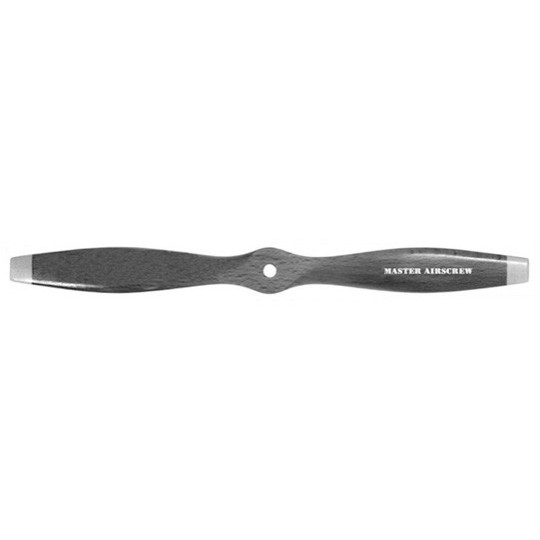
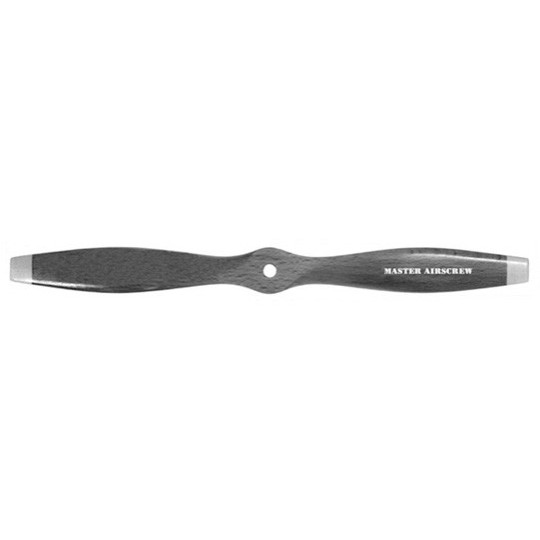
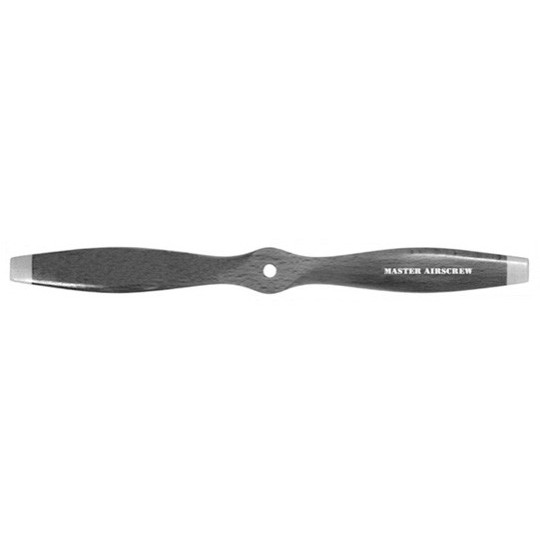
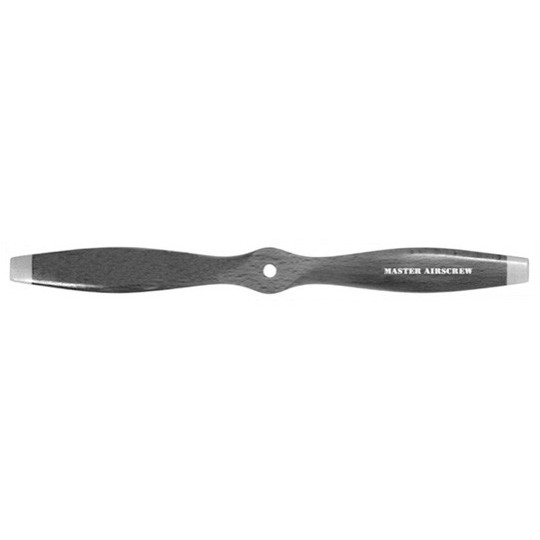
Master Airscrew also offers very good products, especially for drones and certain RC aircraft.
Graupner remains a historic reference, particularly in RC boating and aeromodelling.
For drones, Gemfan and DJI offer very high-performance propellers.
In my opinion, investing in a quality brand is always worthwhile.
A poorly balanced low-cost propeller can generate enormous vibrations.
Over time, I have noticed several recurring mistakes.
This is probably the most common one.
A propeller that is too aggressive can literally destroy an entire setup.
I always recommend starting with official manufacturer recommendations.
They provide a reliable foundation.
Only afterward should you experiment with other setups.
An unbalanced propeller creates:
vibrations
premature wear
performance losses
I find that many model enthusiasts neglect this aspect.