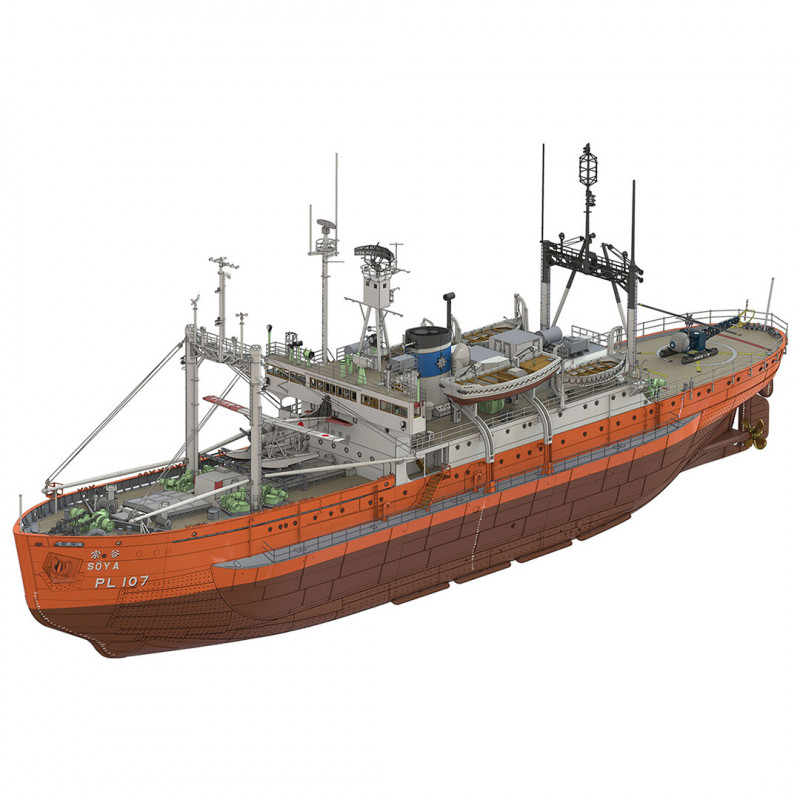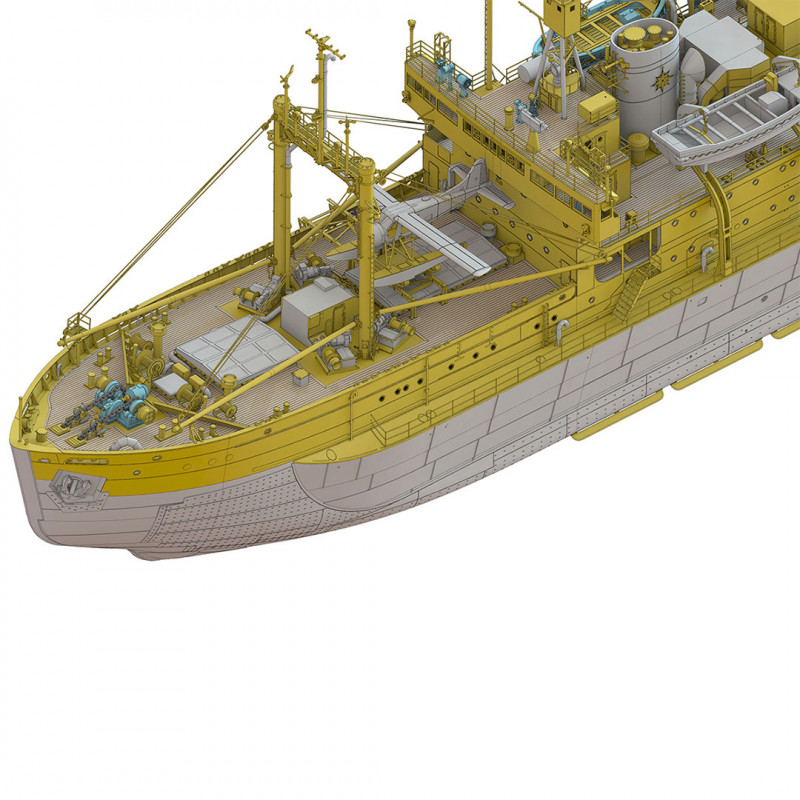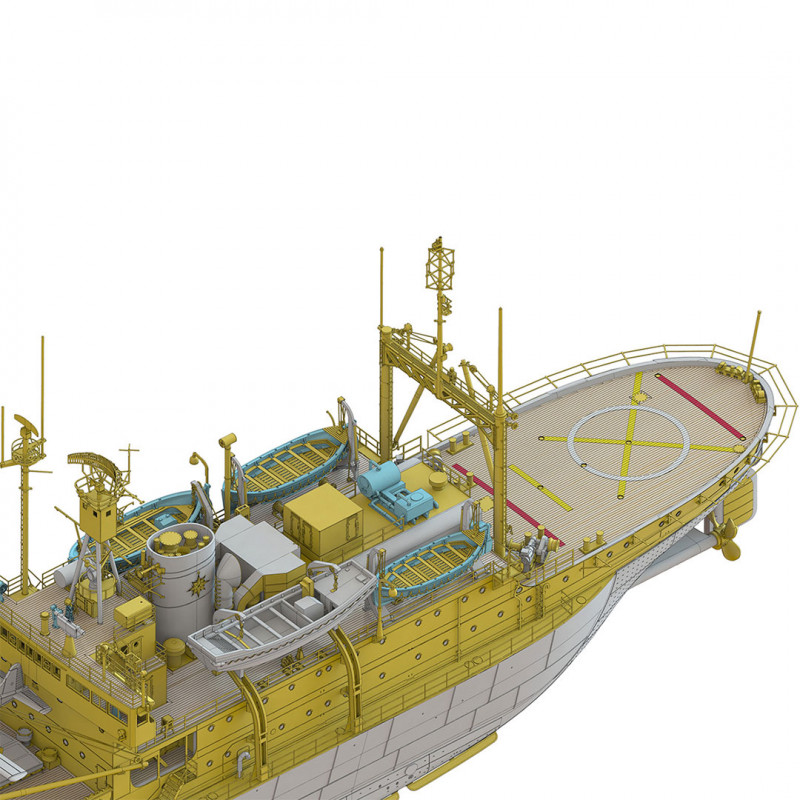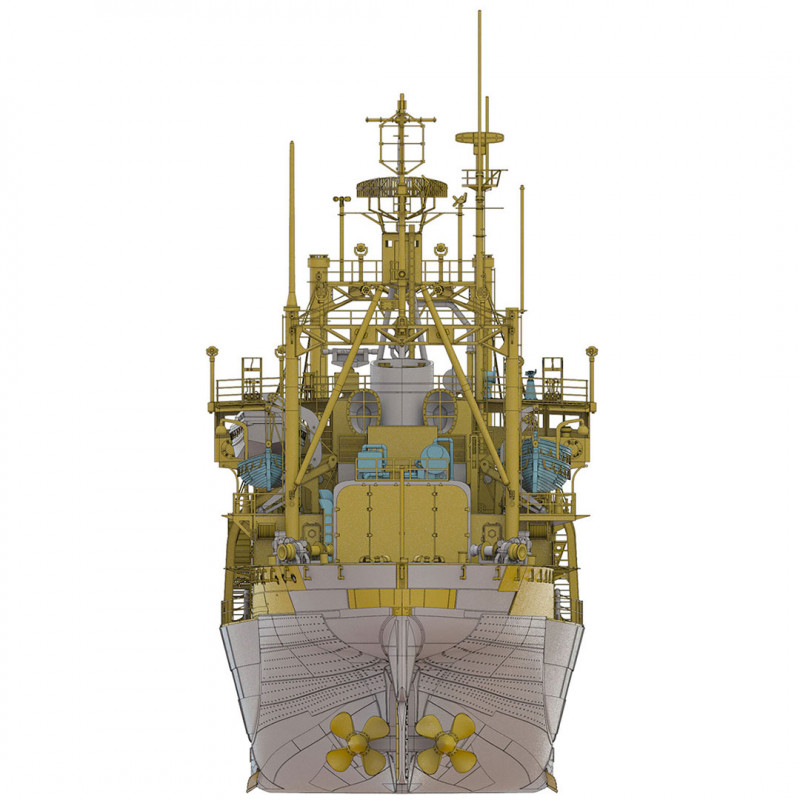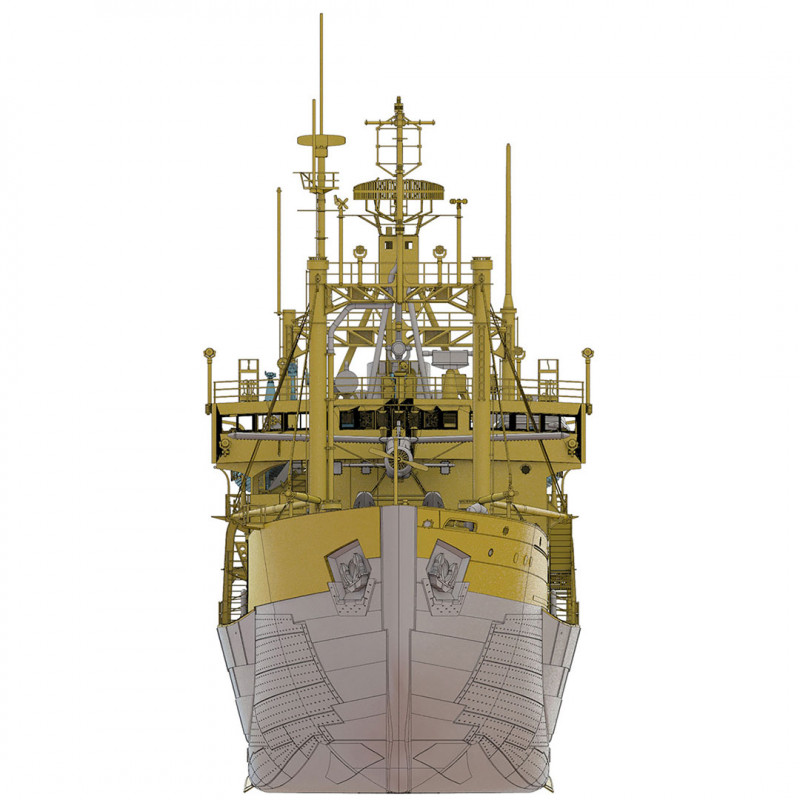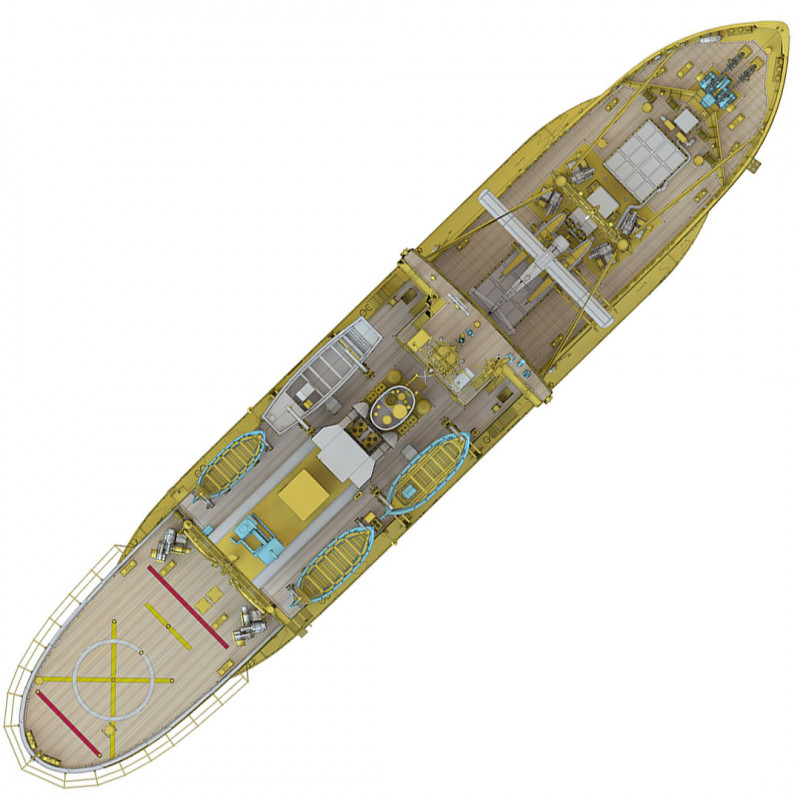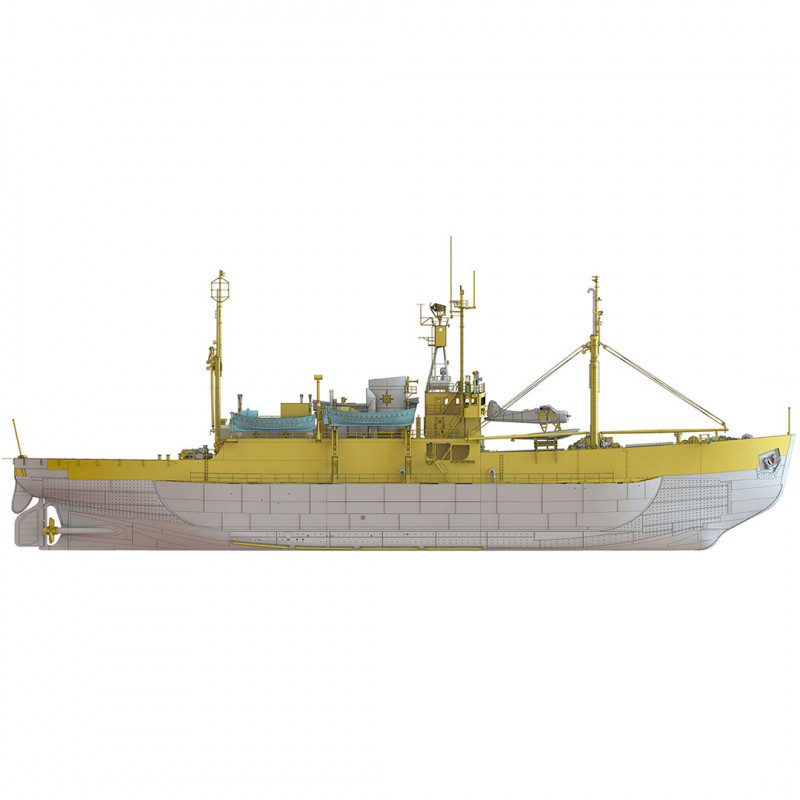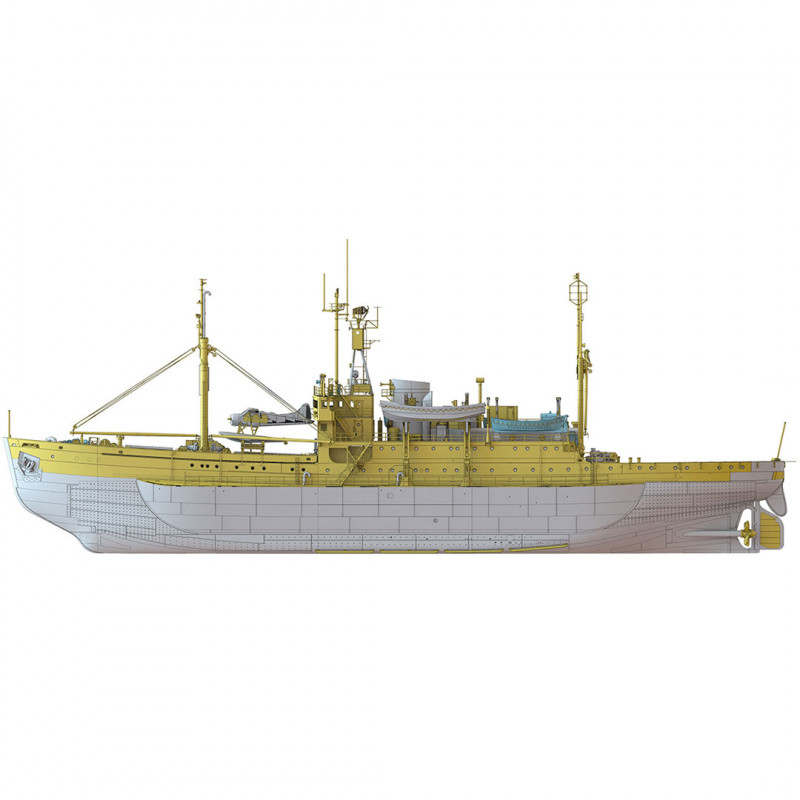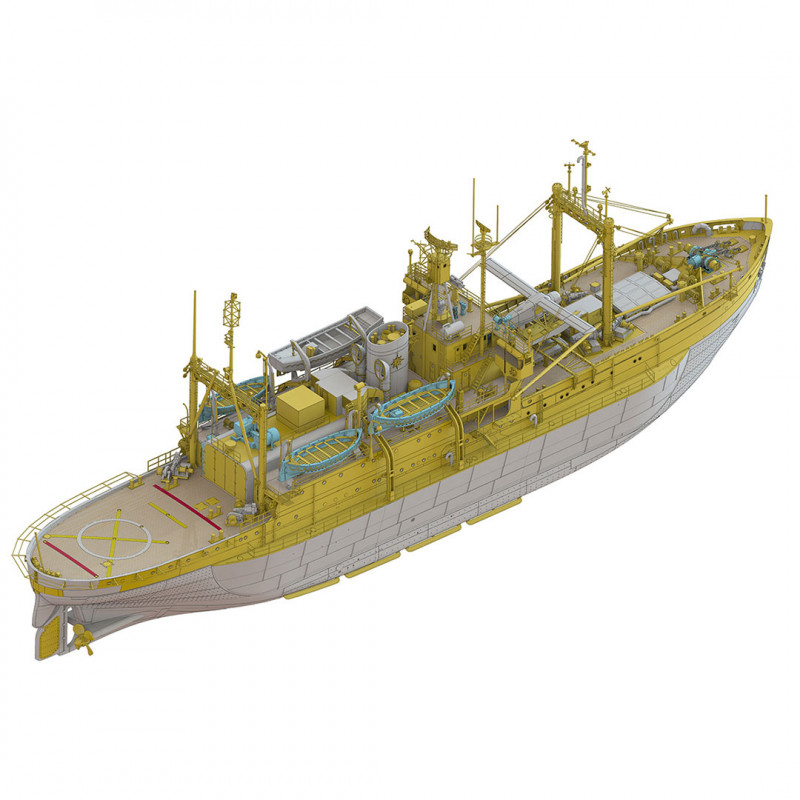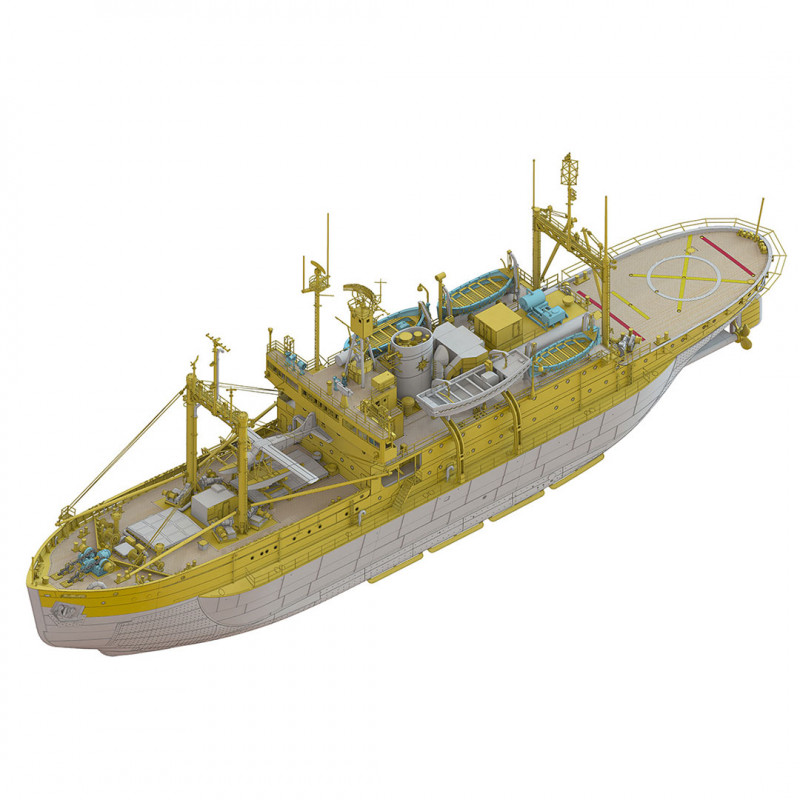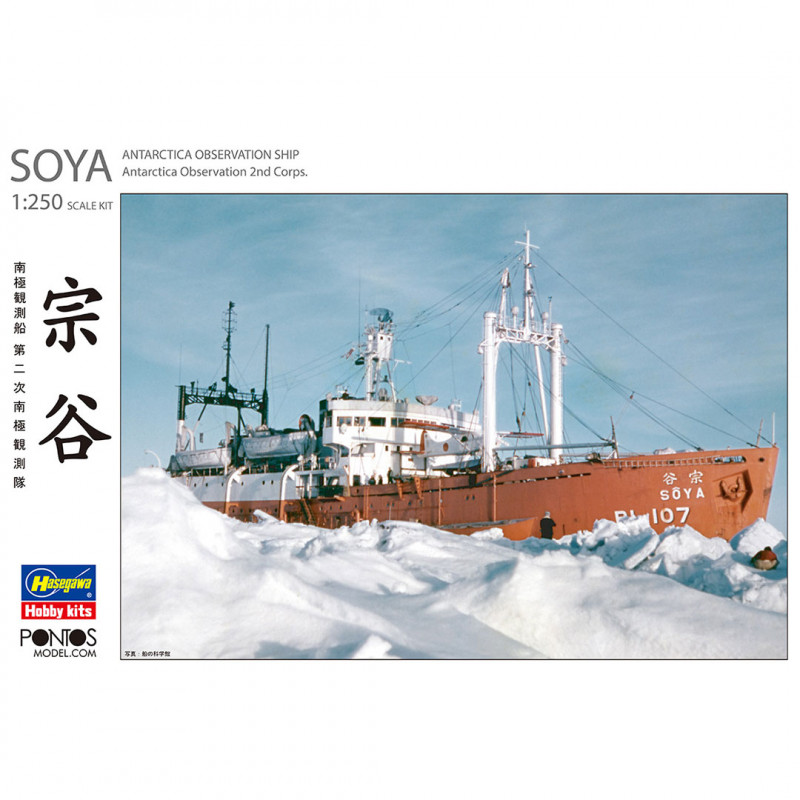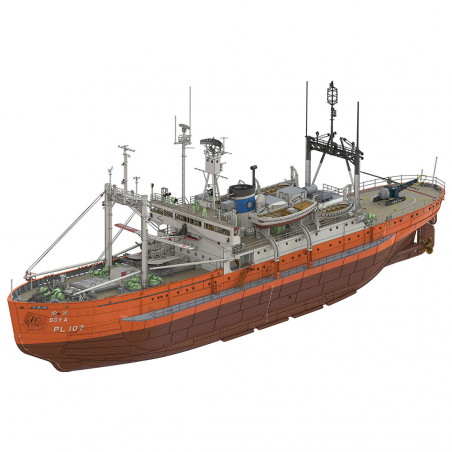
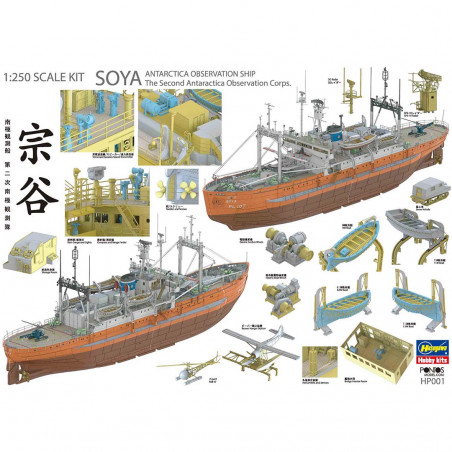
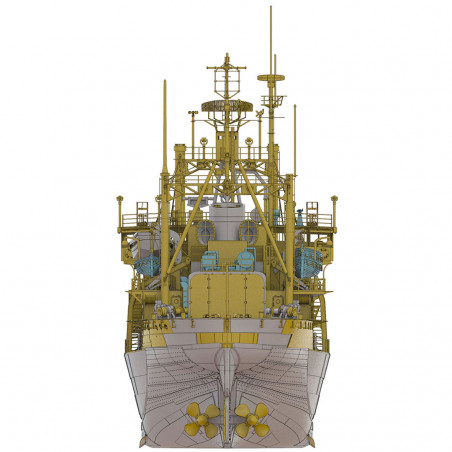
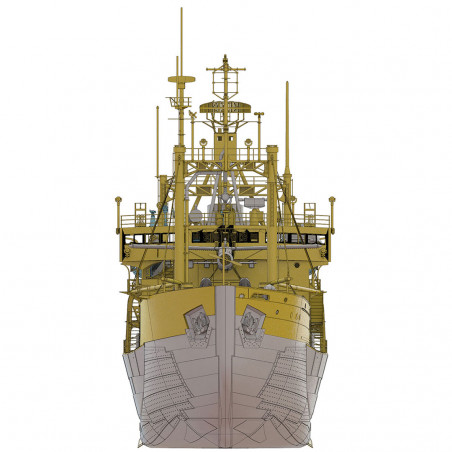
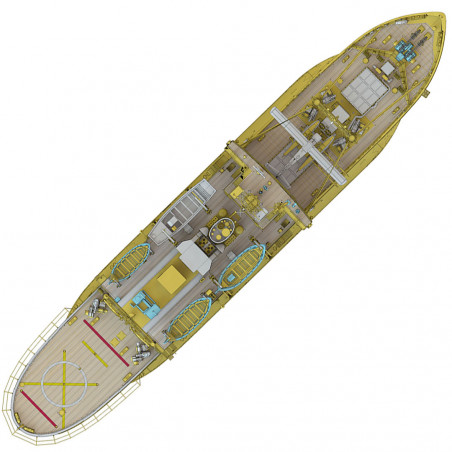
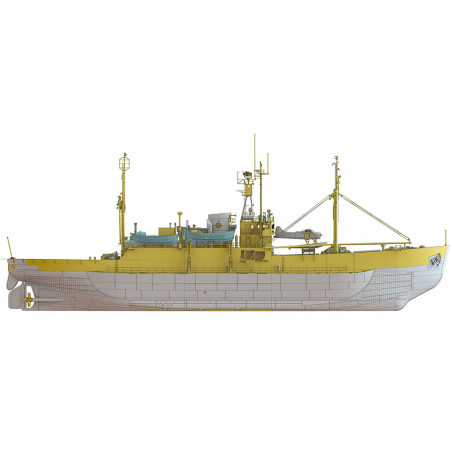
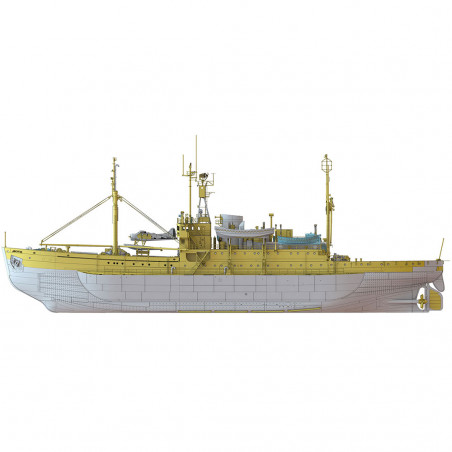
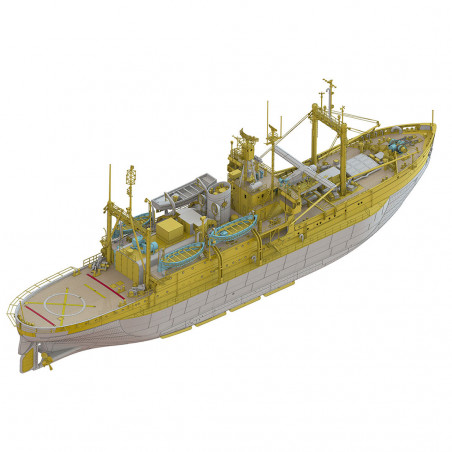
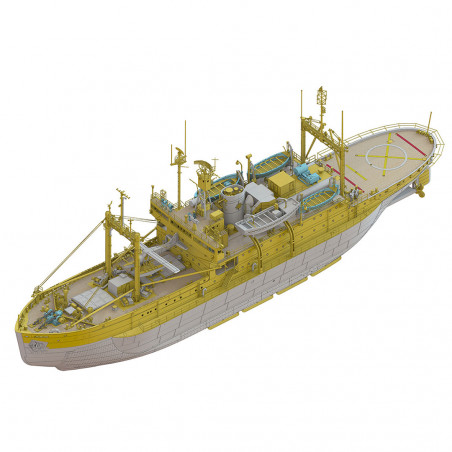
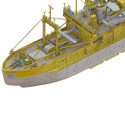
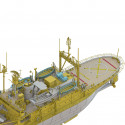
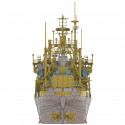
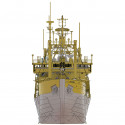
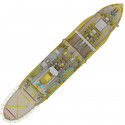
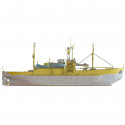
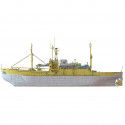
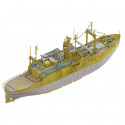
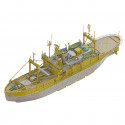
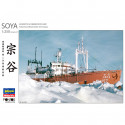
HASEGAWA presents a stunning new model to assemble of the Sōya at 1/250 scale, a remarkable creation after having already offered a version of the same ship at 1/350 scale a few years ago.
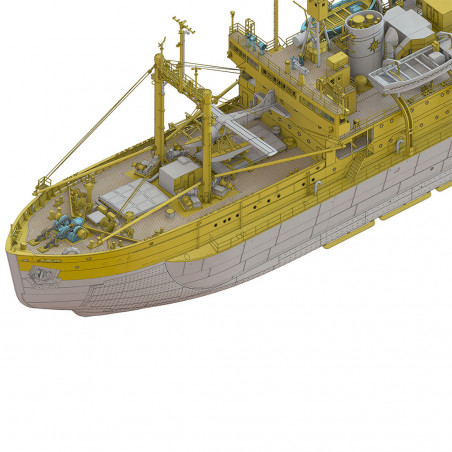
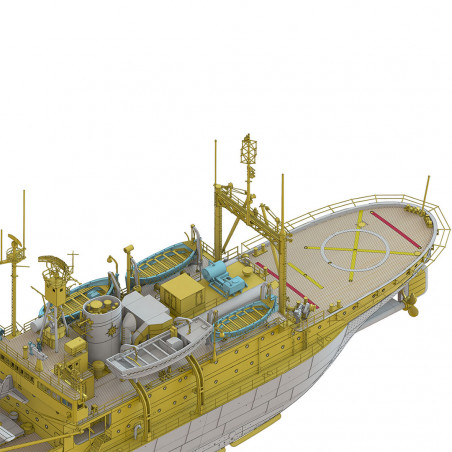
This new edition stands out with an entirely new mold, offering a multitude of details that the previous 1/350 version did not have.

Model plastic boat ANTARTICA OBSERVATION SHIP SOYA "2nd expedition" 1:250
Plus de details Last items in stockModel plastic boat ANTARTICA OBSERVATION SHIP SOYA "2nd expedition" 1:250
Fast shipping
Via Chronopost 24H
Via DPD 24/48H
Colissimo 48/72H
331236 products in stock
Real-time stock displayed
Secure payment




Secure payment
In 3 or 4 installments

 4.6/5
4.6/5

Specialist since 1955
Fast shipping
Via Chronopost 24H
Via DPD 24/48H
Colissimo 48/72H
331236 products in stock
Real-time stock displayed
Secure payment
Secure payment
In 3 or 4 installments
4.6/5
Specialist since 1955
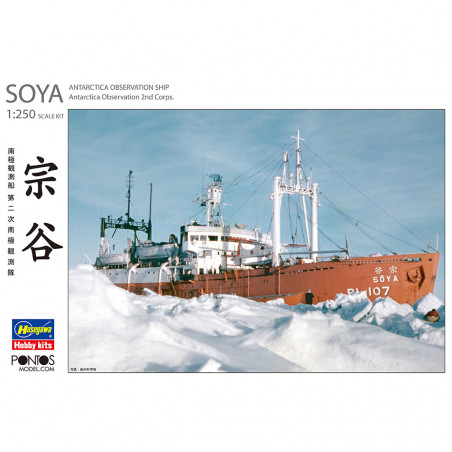
ANTARTICA OBSERVATION SHIP SOYA "2nd expedition" 1:250.
HASEGAWA presents a stunning new model of the Sōya at 1/250 scale, a remarkable creation after having already offered a version of the same ship at 1/350 scale a few years ago.
This new edition stands out with an entirely new mold, offering a multitude of details that the previous 1/350 version did not have.
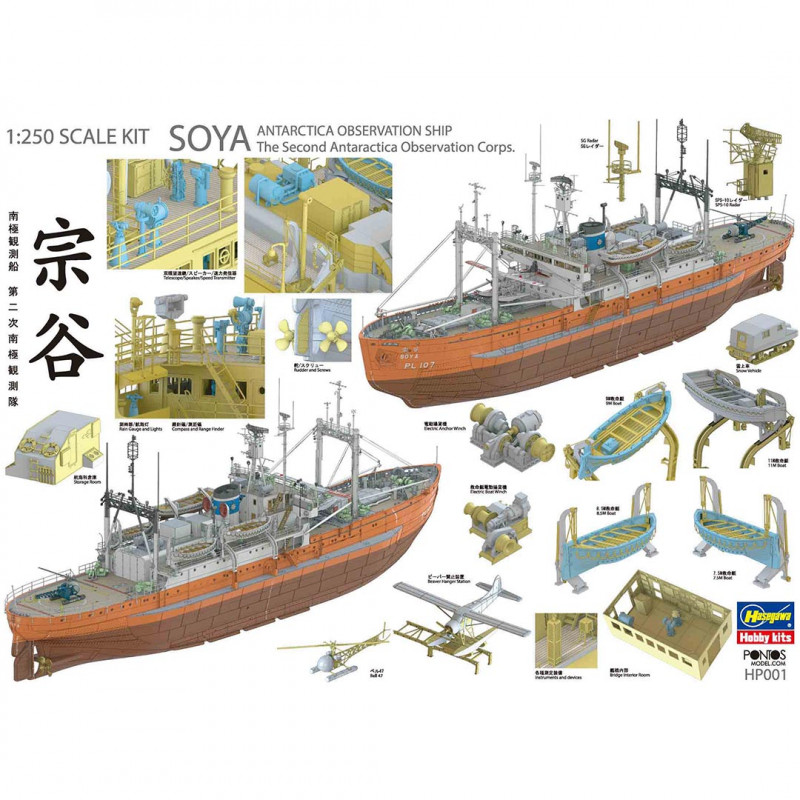
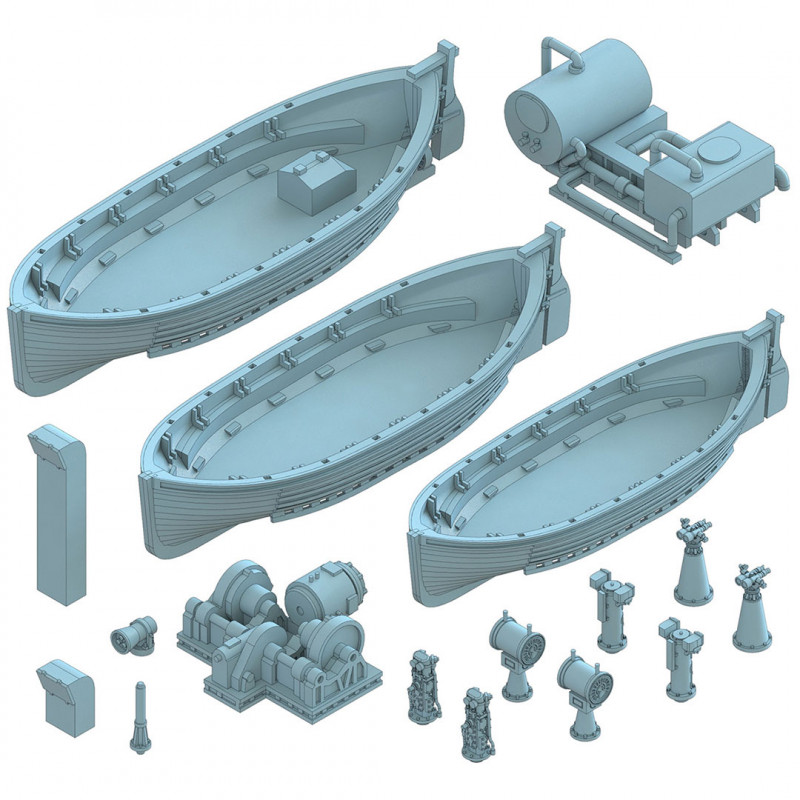
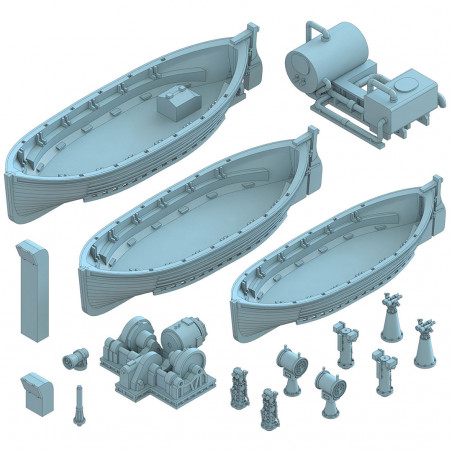
To enhance the already impressive realism of this model, HASEGAWA collaborated with the Korean company PONTOS MODEL to offer a set of elaborate details.
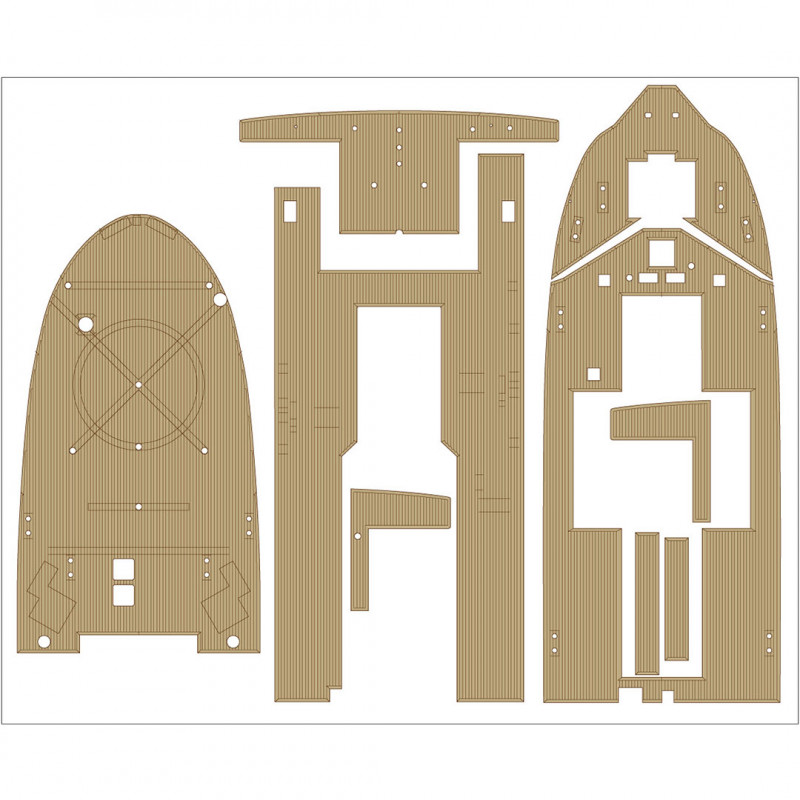
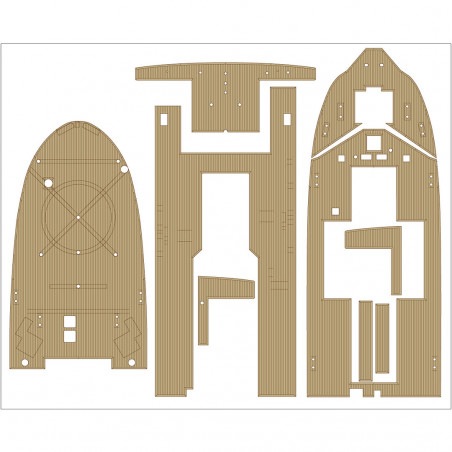
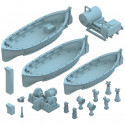
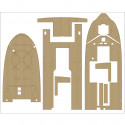
The box contains an impressive variety of parts: 163 metal parts, a wood-imitating deck, 25 resin parts, 6 photo-etched plates, and decals.
At 1/250 scale, this plastic ship model offers impressive dimensions of 665mm in length by 330mm in width, allowing naval modeling enthusiasts to create a faithful and impressive replica of the Sōya.
It should be noted that this model has been produced in limited quantities and is unlikely to be reproduced in the future.
Expected availability (subject to change) in April-May.
Model to be assembled by gluing and painting.
History of the SOYA:
The Sōya, a Japanese icebreaker, holds a special place as a museum ship in Tokyo, bearing witness to a rich and eventful career that spanned some of the most significant events of the 20th century.
Its name pays homage to the subprefecture of Sōya located in Hokkaido Island.
Originally, the ship was built under the name Volochaevets, commissioned by the Soviets in 1936 at the Matsuo shipyard on Koyagi Island in Nagasaki. This order was part of a partial payment arrangement for Japan's construction of the South Manchuria Railway, also known as the Chinese Manchuria Railway.
Designed as an ice-strengthened cargo ship, the Volochaevets was completed as such for the Tatsunan Kisen Co. and was renamed Chiryō Maru. During this period, two other ice-strengthened cargo ships, the Bolshevik and the Komsomolets, were also ordered but were never delivered due to increasing tensions between Japan and the Soviet Union.
After World War II, as Japan found itself in a position of defeat and needing to repatriate millions of individuals from its former colonies, the Sōya was removed from the navy list and assigned to the nation's repatriation tasks.
Significant modifications were made to the ship at this time, including the removal of its cannons to make way for passenger facilities, such as toilets fitted in the large front and rear cargo spaces. Spacious wooden accommodations were also added on the deck to accommodate passengers.
The Sōya took part in numerous repatriation missions, with stops in Shanghai, Tinian, and Guam, and also made trips to and from Sakhalin, evacuating citizens by agreement with the new Soviet authorities.
During this period, it is important not to confuse the Sōya with the Soya Maru, one of the three ice-strengthened passenger ferries operating on the Chihaku maritime line of the Japan National Railways between Odomari (current Korsakov) in Sakhalin and Wakkanai in Hokkaido.
In 1949, the repatriation missions of the Sōya came to an end, and the ship was transferred to the Maritime Safety Agency, precursor to the Japanese Coast Guard. In this new role, it was tasked with supplying supplies to isolated lighthouses along the Japanese coasts, earning it the nickname "Santa Claus of the Sea" in some circles.
In 1950, the Sōya underwent a complete overhaul in preparation for its service as Japan's first dedicated Antarctic research vessel.
This transformation included replacing its steam engine with twin diesel engines, as well as installing a helicopter landing deck capable of storing light helicopters for exploration missions. Over the following years, additional modifications were made, including adding a second helicopter deck above the first, creating a vast additional storage space. Between 1956 and 1962, the Sōya carried out several missions in Antarctica, including the famous rescue of personnel stranded at the Showa research station in 1958, an operation that made headlines worldwide.
This rescue mission is also famous for leaving 15 abandoned Karafuto-Ken huskies on the ice, of which two, named Taro and Jiro, managed to survive until the ship's return the following spring.
Their story has become iconic in Japan and has been widely broadcasted around the world, notably through films such as "Nankyoku Monogatari" (Antarctica) and "Eight Below" produced by Disney.
Despite its achievements, the Sōya also faced challenges during its missions in Antarctica, including getting stuck in ice and needing assistance from the Russian icebreaker Ob.After retiring from Antarctic missions, the Sōya was reassigned as a rescue icebreaker for the Japan Maritime Safety Agency, based in Hokkaido.
In 1978, the Sōya was completely disarmed and its final mission was a farewell tour to the communities it had served, including the port of Hakodate.
In 1979, the ship was docked at the Tokyo Maritime Science Museum where it remains open to the public as a museum ship. Its interior has been largely preserved since its days of Antarctic exploration, although its superstructure has undergone significant modifications over the years, including the addition of a helicopter landing deck and higher bulwarks, giving it a more imposing appearance than that of a simple cargo ship.
Customers who bought this product also bought: