EPHIL: Petrol Engines for Radio-Controlled Aircraft
EPHIL is a brand specialising in the development of petrol engines and propulsion systems designed primarily for radio-controlled aircraft.
Founded in 2020, the company develops its engines around engineering, research and development, and modern manufacturing technologies. In my view, EPHIL’s main strength lies in this specialisation.
The brand develops petrol engines designed to meet the specific requirements of...
EPHIL: Petrol Engines for Radio-Controlled Aircraft
EPHIL is a brand specialising in the development of petrol engines and propulsion systems designed primarily for radio-controlled aircraft.
Founded in 2020, the company develops its engines around engineering, research and development, and modern manufacturing technologies. In my view, EPHIL’s main strength lies in this specialisation.
The brand develops petrol engines designed to meet the specific requirements of model aircraft and also works on their fuel systems and accessories.
EPHIL was founded in 2020 and specialises in petrol engines for model aircraft and associated propulsion systems.
The brand develops engines primarily for radio-controlled aircraft, as well as engines and components for other applications.
Its research and development department uses technologies such as artificial intelligence and 3D printing in its development work.
EPHIL also offers various components and accessories related to engine operation, starting and maintenance.
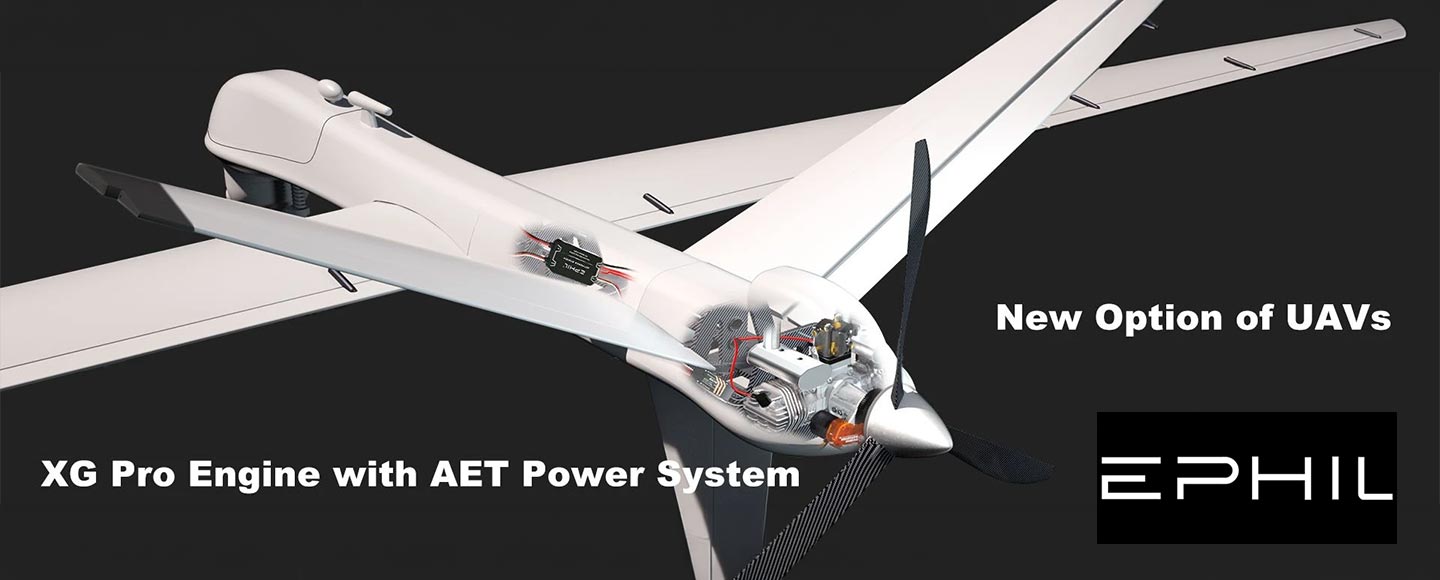
At the forefront of innovation in aircraft propulsion, EPHIL is also developing engines for UAV drones, combining precision engineering, research and development, and propulsion solutions designed for the new generations of unmanned aircraft.
Who is EPHIL?
EPHIL is a Chinese brand specialising in petrol engines for model aircraft and associated propulsion systems.
The company began operating in 2020, with a team that includes engine engineers, electronics engineers and product designers.
The brand explains that the name EPHIL refers to “Engine Philosophy”, reflecting its focus on engine design and development.
This specialisation is particularly relevant for model aircraft enthusiasts looking for a petrol engine for a radio-controlled aircraft.
The engine must fit into an existing airframe, work correctly with its fuel system, ignition and exhaust, while also remaining compatible with the weight and installation requirements of the model.
How does EPHIL develop its engines?
EPHIL has a research and development department dedicated to the design of engines and propulsion systems.
The brand states that it uses technologies including artificial intelligence and 3D printing in its development processes.
A team of specialised engineers
Engine development relies on several complementary areas of expertise.
EPHIL states that it brings together engineers specialising in engines, electronics and product design.
This approach matches the specific requirements of a petrol engine for an RC aircraft.
The engine is only one part of the complete propulsion system. Electronic ignition, carburettor, starting system, exhaust and the various accessories must work together.
3D printing for engine development
EPHIL also states that it uses 3D printing in its research and development work.
This technology makes it possible to produce prototypes quickly and test different design solutions before moving to production. For the development of mechanical components, it facilitates successive design and validation stages.
Why choose a petrol engine for an RC aircraft?
A petrol engine is particularly suitable for RC aircraft whose size and weight require a combustion engine.
However, the choice should always be based on the specific characteristics of the model. Before choosing an engine, I recommend checking four points:
the aircraft’s flying weight;
the wingspan and size of the airframe;
the engine displacement range recommended by the manufacturer;
the type of flying you intend to do.
An aerobatic aircraft, a scale model or a tow plane will not necessarily place the same demands on its engine.
Displacement alone is therefore not enough to determine the right engine.
To compare the different solutions available from Scientific MHD, you can view our range of EPHIL petrol engines for RC aircraft.
What is the difference between a petrol engine and a glow engine?
A petrol engine and a glow engine are both internal combustion engines, but they use different ignition systems and fuels.
A petrol engine uses a spark plug controlled by an electronic CDI ignition system.
A glow engine, on the other hand, uses a glow plug and a specific fuel.
This distinction is important when choosing an engine for an RC aircraft.
You should follow the model manufacturer’s recommendations and check exactly which type of engine is intended for the aircraft.
What components are available for EPHIL engines?
EPHIL also develops components and accessories designed to work with its engines. The range includes carburettors, electronic components, upgrade kits and electric starting systems.
Carburettor and fuel system
The carburettor prepares the fuel-air mixture required for engine operation.
EPHIL offers solutions using Walbro carburettors on several engines in its range. For a petrol engine used in an RC aircraft, reliable fuel delivery is particularly important. Fuel lines, the tank, filter and carburettor must be installed correctly and checked regularly.
Electronic ignition
EPHIL petrol engines use an electronic CDI ignition system. It controls the spark plug and is an essential part of engine operation.
The EPHIL engines supplied by Scientific MHD are offered with ignition components and spark plugs suited to their respective configurations.
Electric starter
Some EPHIL versions are equipped with an electric starter. The manufacturer offers corresponding versions with an electric starting system.
For a large RC aircraft, this system can make starting easier when access to the propeller is less convenient or when the model is already assembled at the flying field.
How do you maintain an EPHIL petrol engine?
Regular maintenance helps you monitor the condition of the engine and its fuel system. I particularly recommend checking components exposed to vibration, heat and fuel residue.
Check the engine mountings regularly
The vibration produced by a combustion engine can gradually loosen screws. Check the engine and exhaust system mountings before and after flying sessions.
Monitor the fuel system
Fuel lines, the tank and the filter must remain clean and in good condition. An ageing fuel line or a clogged filter can affect the engine’s fuel supply.
Check the spark plug
The spark plug should be clean and in good condition. A fouled or worn spark plug can cause starting difficulties or affect engine operation.
Clean the engine without unnecessary disassembly
Regular external cleaning removes dust and oil residue. I do not recommend dismantling an engine without a specific reason.
Every disassembly increases the risk of damaging a component or allowing contaminants to enter the engine.
For specific maintenance or disassembly work, always follow the documentation supplied with your EPHIL engine first.
How do you choose an EPHIL engine for an RC aircraft?
The choice of an EPHIL engine should first be based on the aircraft manufacturer’s recommendations and then checked against the model’s weight and intended use. I recommend that you do not select an engine displacement solely according to wingspan.
Two aircraft of the same size can have very different weights and therefore very different propulsion requirements.
What should you check before installing the engine?
Before installing an EPHIL petrol engine in your RC aircraft, check the mechanical specifications and the recommendations provided by the airframe manufacturer. The main points to check are:
the recommended engine displacement;
the permitted engine weight;
the mounting dimensions and engine mount;
the position and type of engine output;
the space available for the carburettor and exhaust system;
the power supply for the CDI system;
the installation of the fuel tank and fuel lines;
the required clearance around the propeller.
These checks prevent you from choosing an engine based solely on its theoretical power without considering how it will integrate into the model.
Where can you find EPHIL engines for RC aircraft?
Scientific MHD supplies EPHIL engines and related accessories for the model hobby market.
The dedicated engine page allows you to view the different available displacements and configurations and then access the corresponding references directly.
FAQ about EPHIL engines
Who manufactures EPHIL engines?
EPHIL is a Chinese brand founded in 2020. It develops gasoline engines and propulsion systems for model aircraft and other applications, with a team including engine engineers, electronics engineers and product designers.
What does EPHIL mean?
EPHIL refers to “Engine Philosophy”. The brand uses this name to express its focus on engine design and development.
Does EPHIL only manufacture gasoline engines?
No. EPHIL’s international range also includes glow engines, engine accessories and electric starting systems.
When was EPHIL founded?
EPHIL was founded in 2020. Since its creation, the brand has been developing engines and propulsion systems intended in particular for model aircraft and UAV drones.
Where are EPHIL engines used?
EPHIL engines are mainly intended for RC aircraft, model aircraft and UAV drones.
The manufacturer also states that its engines and components are used in other applications requiring propulsion solutions.
Does EPHIL develop engines for UAVs?
Yes. EPHIL develops gasoline engines and propulsion systems for UAV drones, alongside its solutions for radio-controlled aircraft.
The manufacturer specifically presents some of its engines as suitable for RC aircraft and UAVs.
Does EPHIL only manufacture gasoline engines?
No. EPHIL offers gasoline engines, glow engines, engine accessories and electronic components, as well as solutions equipped with electric starters.
The range includes, in particular, two-stroke gasoline engines and glow engines in different displacements.
Does EPHIL develop its own propulsion systems?
Yes. EPHIL states that it develops engines and propulsion systems for model aircraft and drones.
Its activities also include the design of related components, such as carburettors, ignition systems, engine accessories and electric starting solutions.
The brand also has its own research and development department and production workshop.