-
News to come
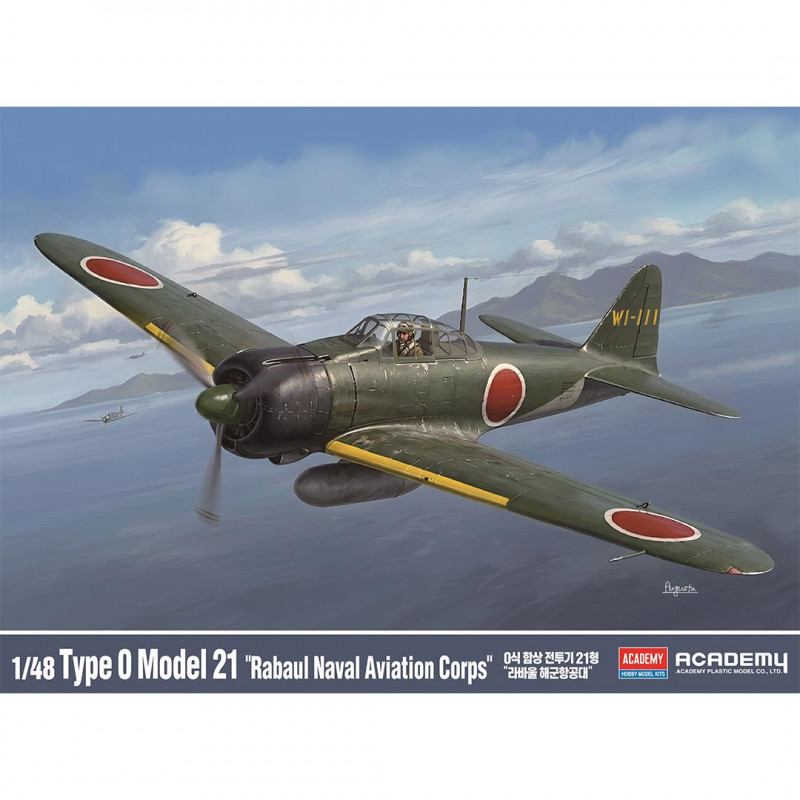
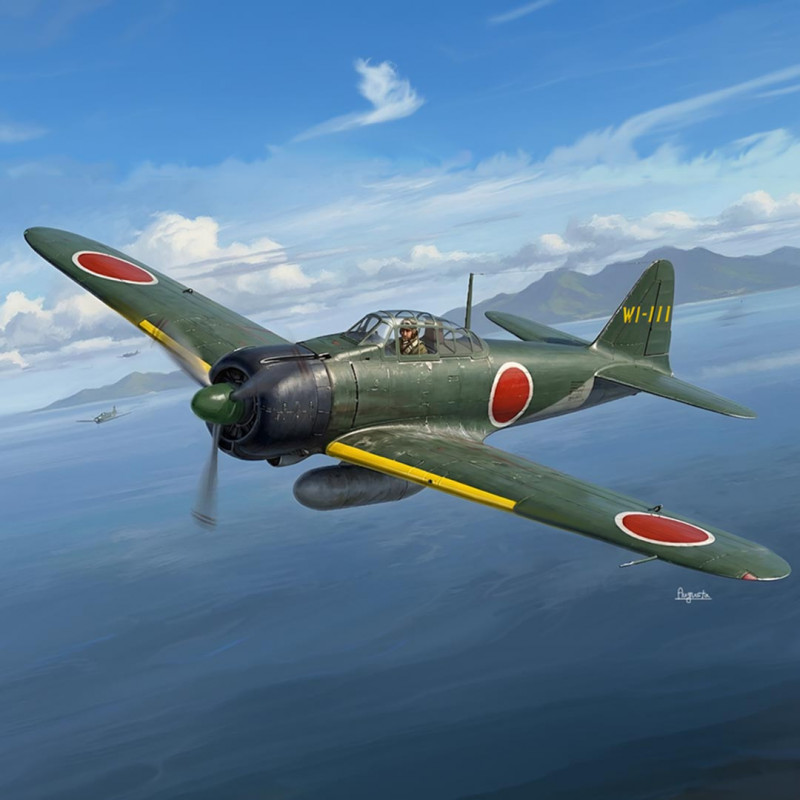
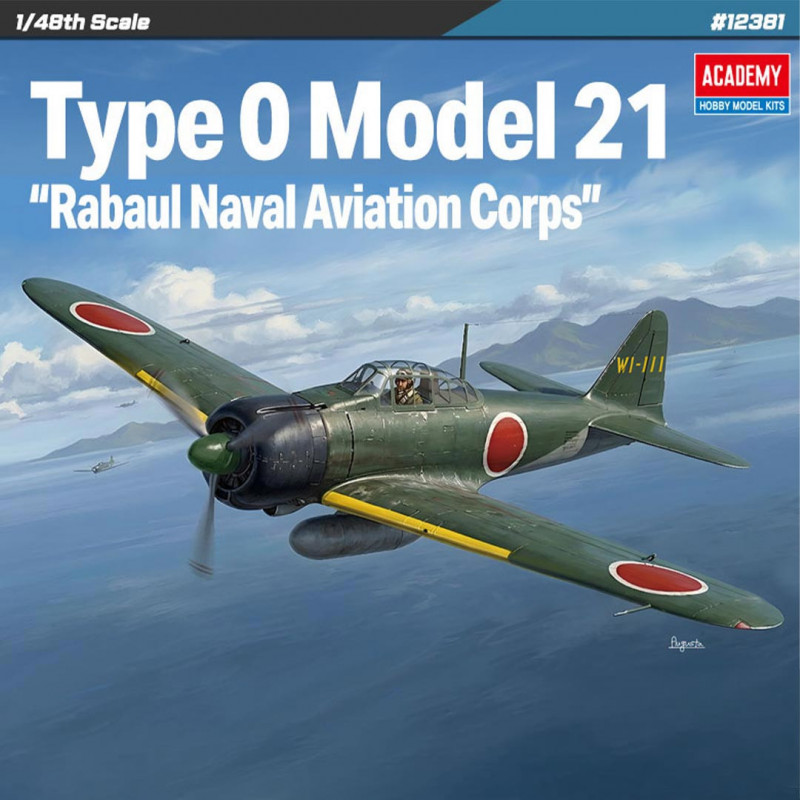
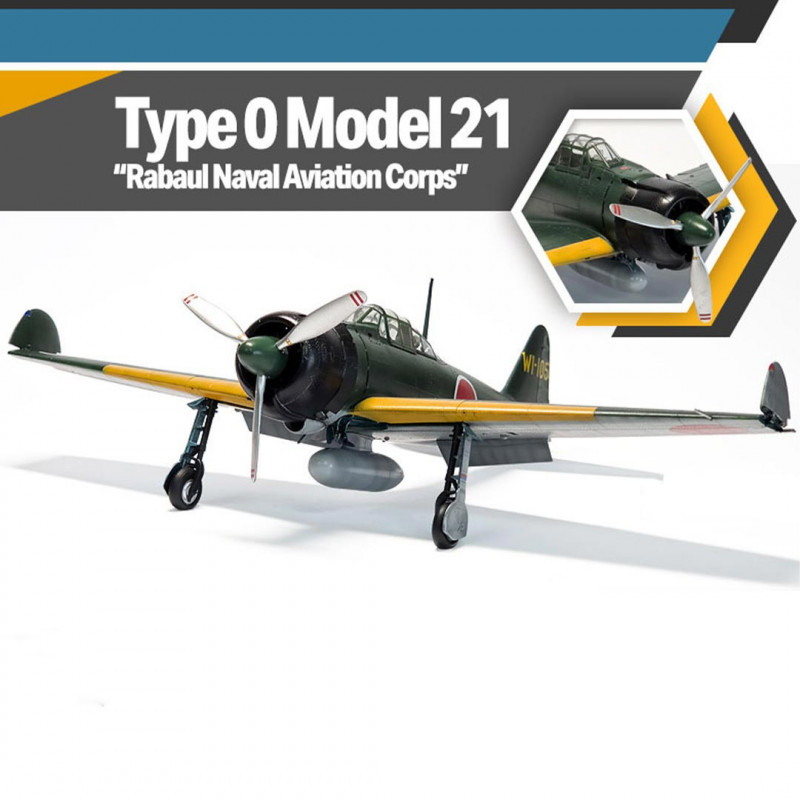
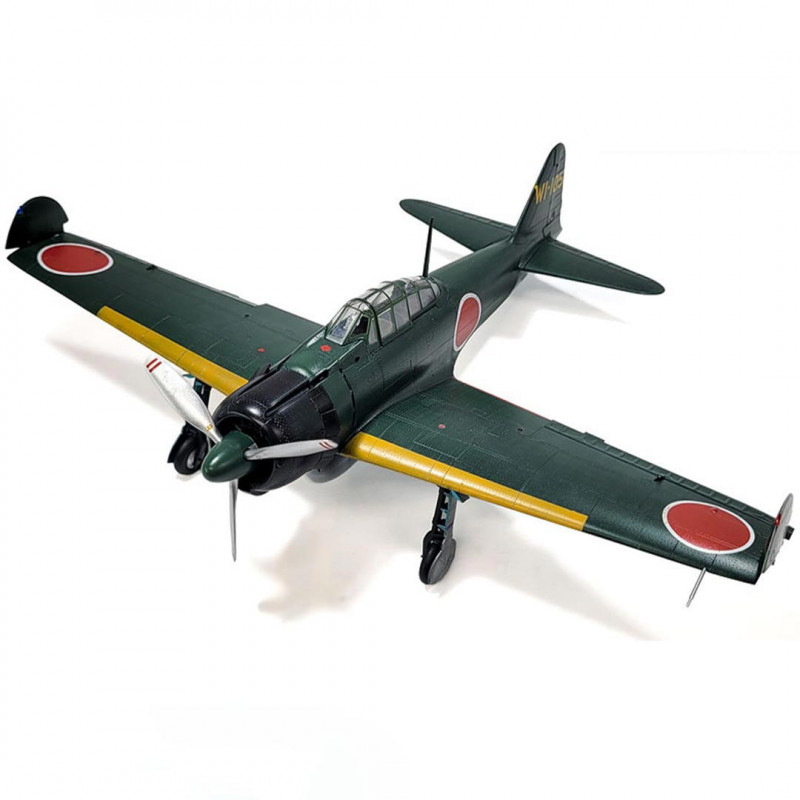
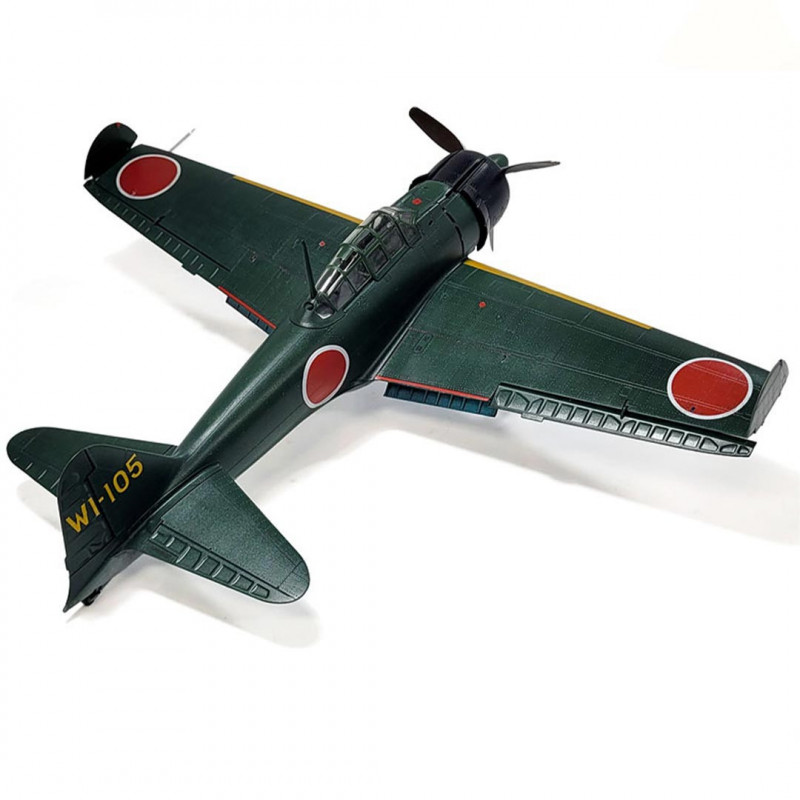
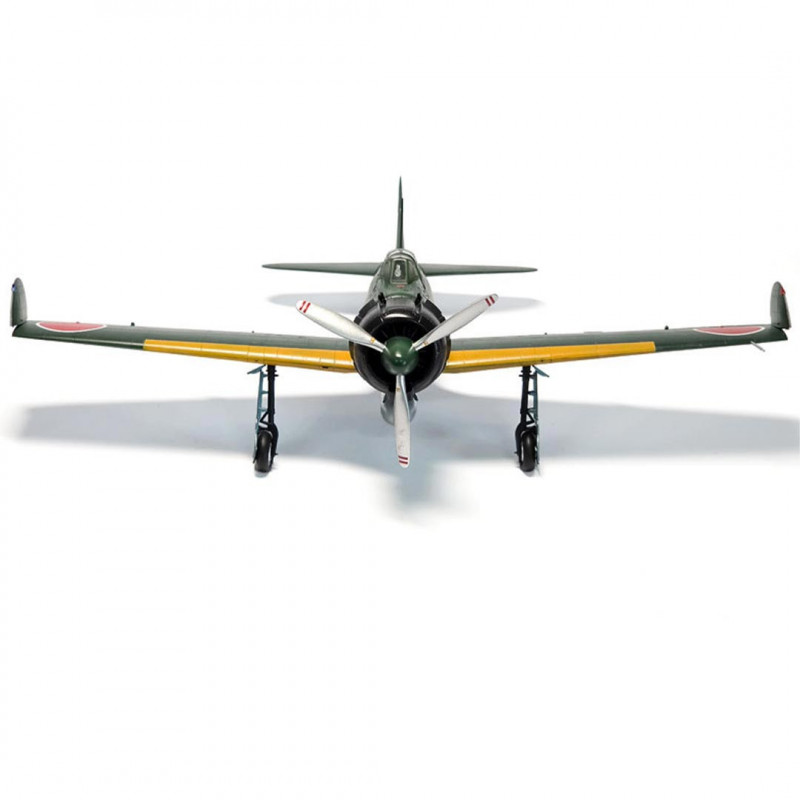
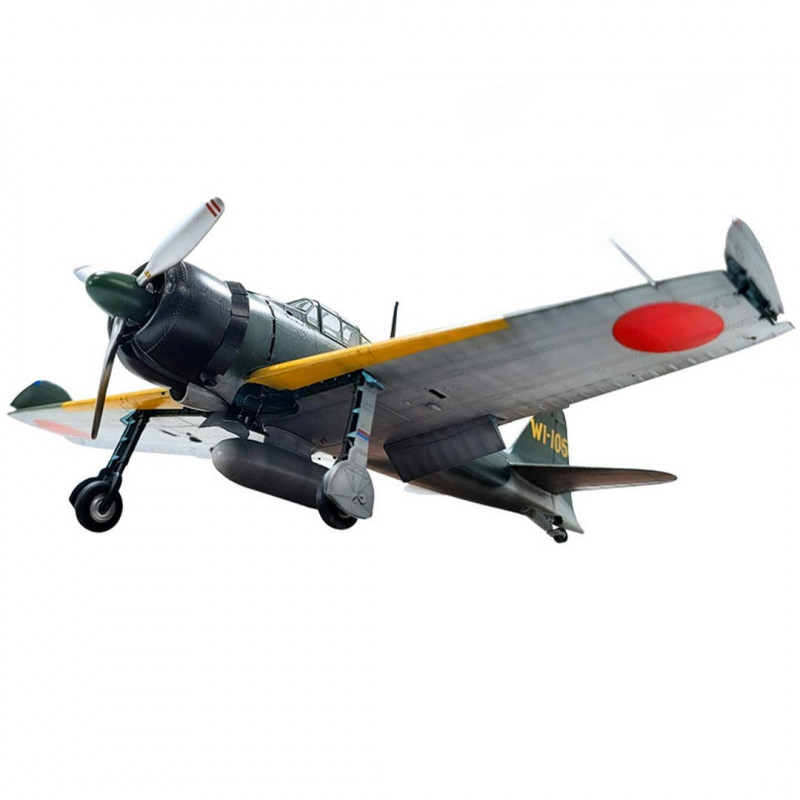
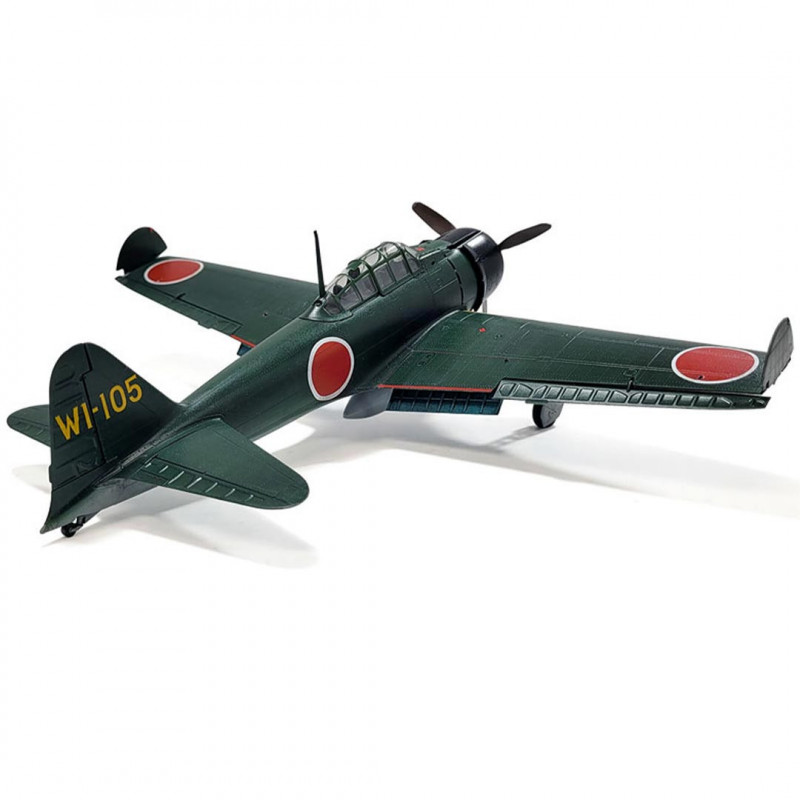
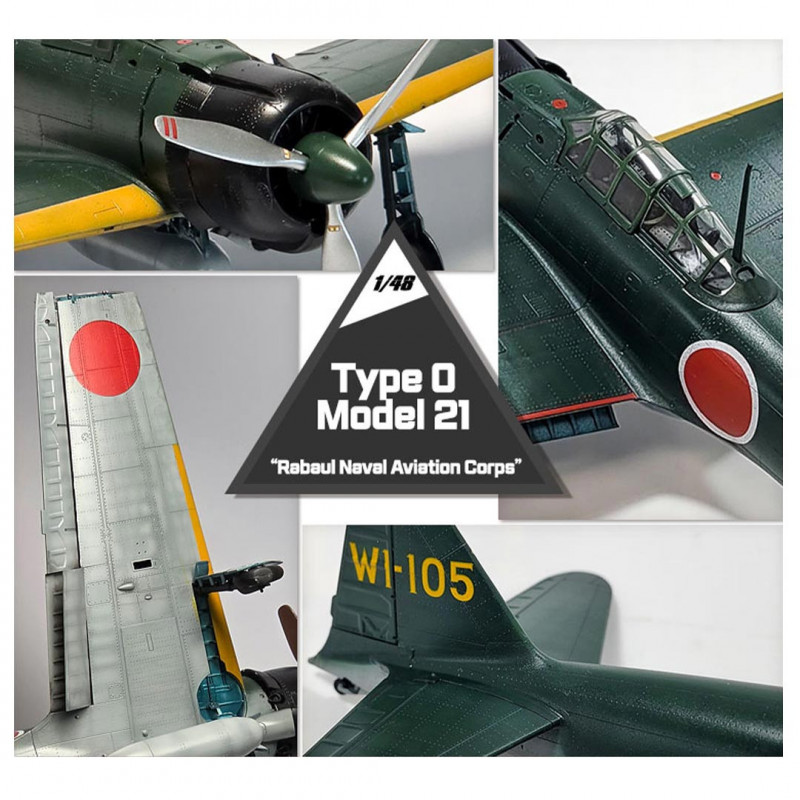
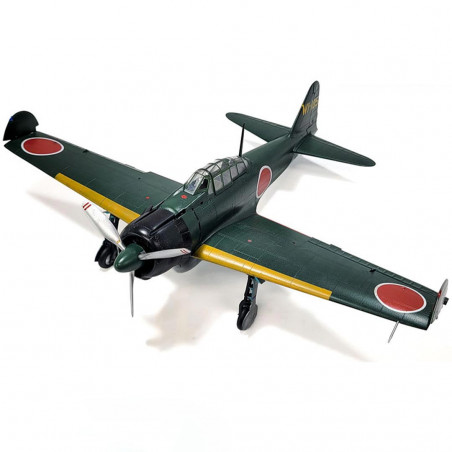
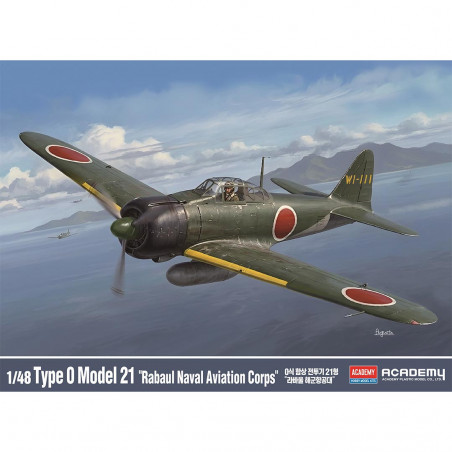
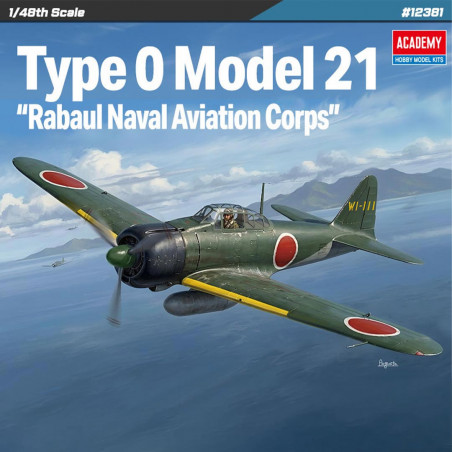
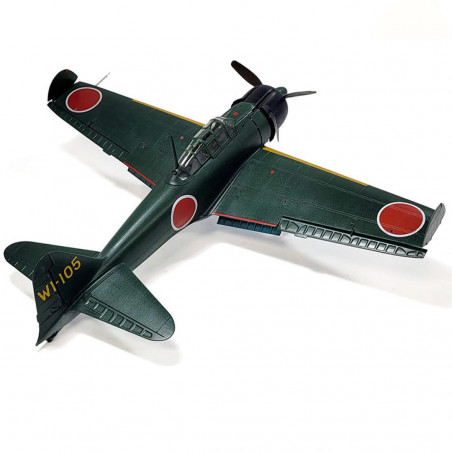
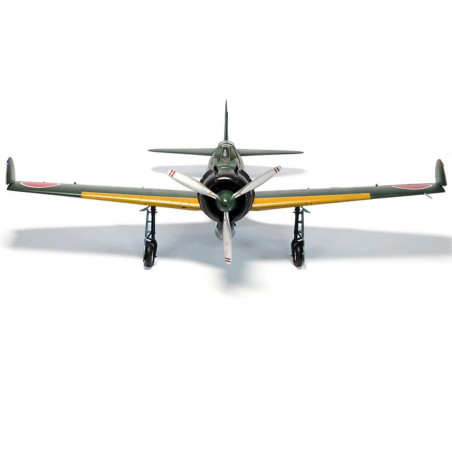
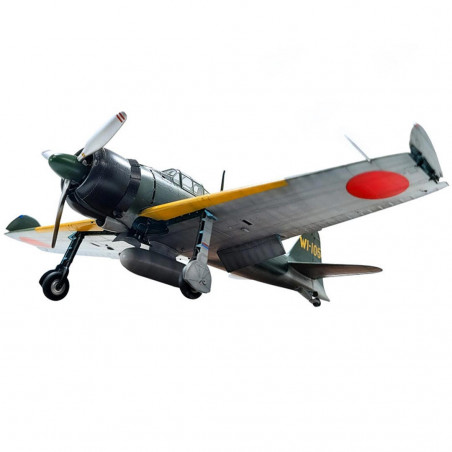
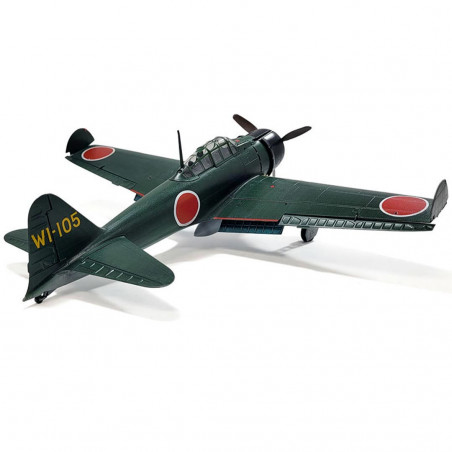
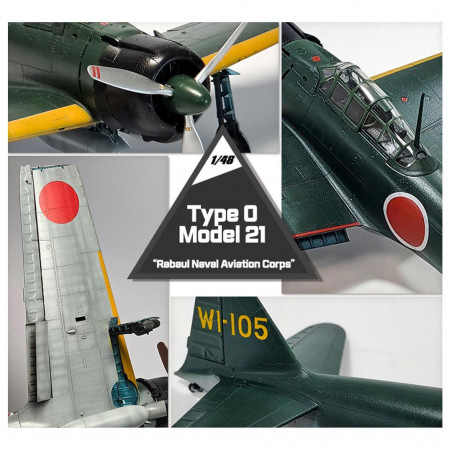
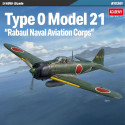
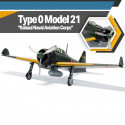
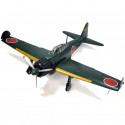
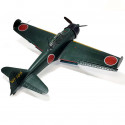
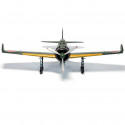
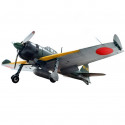
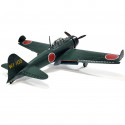
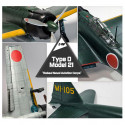
The Academy 12381 model at 1/48 scale represents the Mitsubishi A6M2 Zero Model 21, a Japanese carrier-based fighter from World War II.
It allows choosing between folded or deployed wing tips, an open or closed canopy, and four decorations related to air units operating in the Pacific.

Model Mitsubishi A6M2b Zero Model 21 1-48 - Academy
Fast shipping
Via Chronopost 24H
Via DPD 24/48H
Colissimo 48/72H
342611 products in stock
Real-time stock displayed
Secure payment




Secure payment
In 3 or 4 installments

 4.6/5

Specialist since 1955
Fast shipping
Via Chronopost 24H
Via DPD 24/48H
Colissimo 48/72H
342611 products in stock
Real-time stock displayed
Secure payment
Secure payment
In 3 or 4 installments
4.6/5
Specialist since 1955
With this reference 12381, Academy offers a plastic model of the famous Zero Model 21, also known as the A6M2 designation.
The kit is aimed at modelers interested in Japanese military aviation and aircraft involved in the early years of the Pacific War.
At 1/48 scale, the model offers a size suitable for highlighting the details of the fuselage, cockpit, and wings, while remaining easy to integrate into a World War II aircraft collection.
Commissioned in 1940 with the Imperial Japanese Navy, the Mitsubishi A6M Zero is designed for operations from aircraft carriers.
The Model 21 is notably distinguished by its folding wingtips, a solution intended to reduce the aircraft's footprint in hangars and on aircraft carrier elevators.
Its significant range and maneuverability make it one of the iconic Japanese fighters of the early Pacific War.
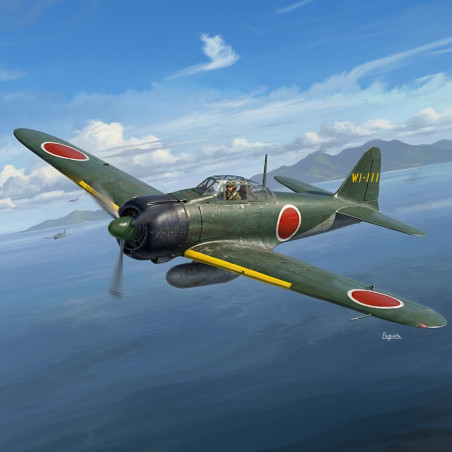
The version represented by this model is associated with air units based in Rabaul, on the island of New Britain, in present-day Papua New Guinea.
After this position was taken by Japanese forces in 1942, Rabaul became a major forward airbase for operations in the South Pacific.
The Zeros stationed there participated in aerial combat in the region, notably over New Guinea and neighboring islands.
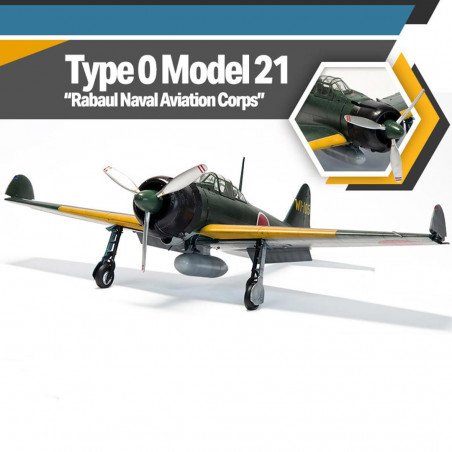
The Academy 12381 kit allows the Mitsubishi Zero Model 21 to be represented with wingtips folded or in flight position.
This possibility offers two different presentations from the same model.
Deployed wings are suitable for representing the aircraft ready for takeoff or in flight configuration.
Folded wingtips evoke more the parking on an aircraft carrier deck or in a maintenance space.
It is advisable to choose the configuration before assembling the wings to precisely follow the instructions in the manual.
The canopy can also be assembled open or closed.
In the open position, the cockpit remains visible, and the painting work of the cabin becomes more important.
The closed version gives a sleeker silhouette and limits the exposure of the interior.
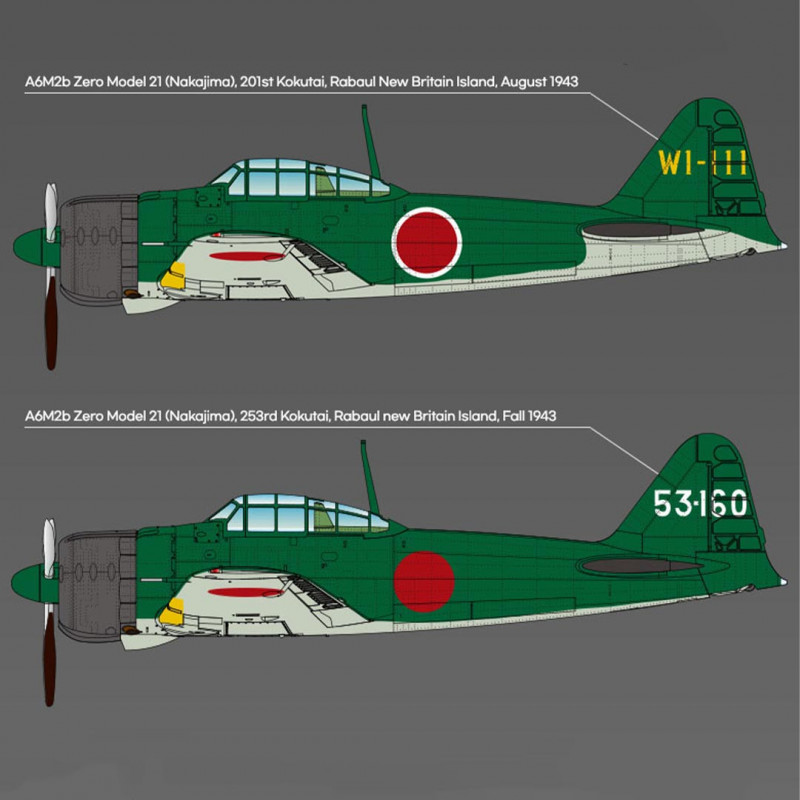
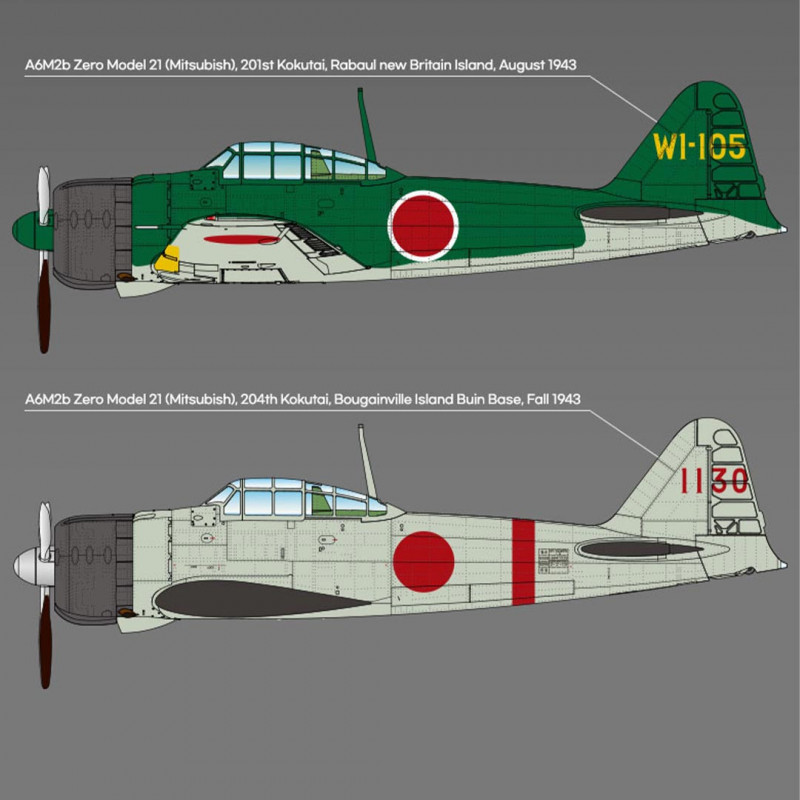
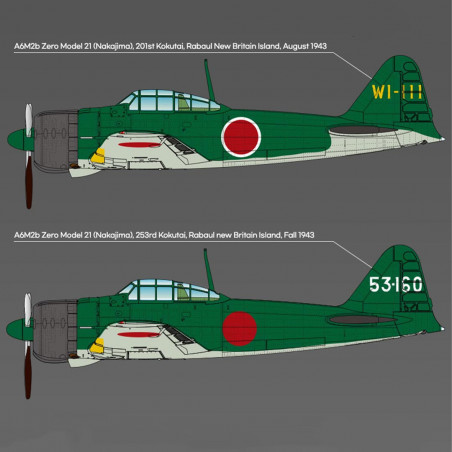
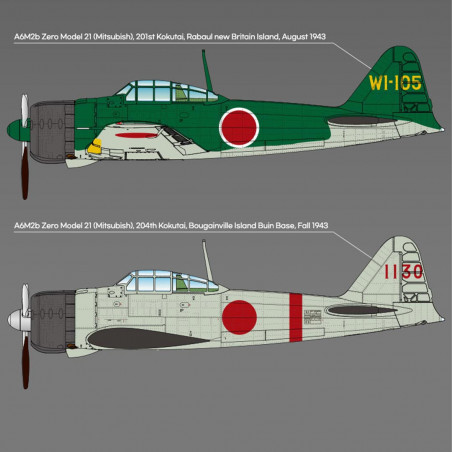
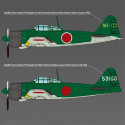
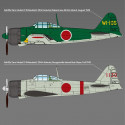
The box offers four decorations to represent different aircraft of the Japanese air device in the Rabaul and Bougainville sector.
The markings thus offer several customization possibilities without altering the general configuration of the aircraft.
The kit includes masking elements to facilitate the painting of the canopy and propeller.
These masks allow for cleaner delimitation of the areas to be protected and reduce the risk of overflow when applying colors.
This 1/48 scale airplane model requires the usual modeler's tools: cutting pliers to detach parts from the sprues, modeling knife to clean attachment points, fine files or sandpaper for adjustments, plastic glue, and holding clamps.
A fine tweezer facilitates the handling of small cockpit and landing gear parts.
A primer is recommended before painting to even out surfaces and spot any joint defects.
It is preferable to paint certain cockpit parts, wheels, and landing gear elements before their final assembly, as access becomes more difficult once the fuselage is closed.
A dry fit of the main sub-assemblies allows for checking adjustments and limiting paint touch-ups.
The paint should be chosen based on the decoration selected from the four proposed markings.
It is advisable to consult the manual to identify the colors of the fuselage, lower surfaces, cockpit, landing gear legs, and propeller details.
An airbrush application facilitates obtaining even coats on large surfaces, while a brush is suitable for small parts and interior details.
After the base paint, a very diluted dark wash can highlight the panel lines and recessed details.
A light weathering around panels, maintenance areas, and landing gear adds depth to the whole without obscuring the markings.
It is preferable to maintain a measured wear consistent with the represented aircraft.
The Academy 12381 model can be displayed alone, with wings deployed, or in a ground configuration with folded wingtips.
This second option lends itself to a small diorama dedicated to a Japanese airbase in the Pacific: compacted earth ground, rudimentary runway, parking area, or maintenance equipment can complete the scene.
A mechanic or pilot figurine can also give a human scale to the presentation, provided that accessories compatible with the historical context are chosen.
For a collection dedicated to World War II aircraft, this 1/48 Mitsubishi A6M2 Zero brings a representative of Japanese naval aviation.
Its various assembly options and four decorations allow for a presentation adapted to the exhibition space and the chosen theme.
This Academy plastic model thus constitutes a building and painting project intended for enthusiasts of Japanese military aircraft and aeronautical modeling.