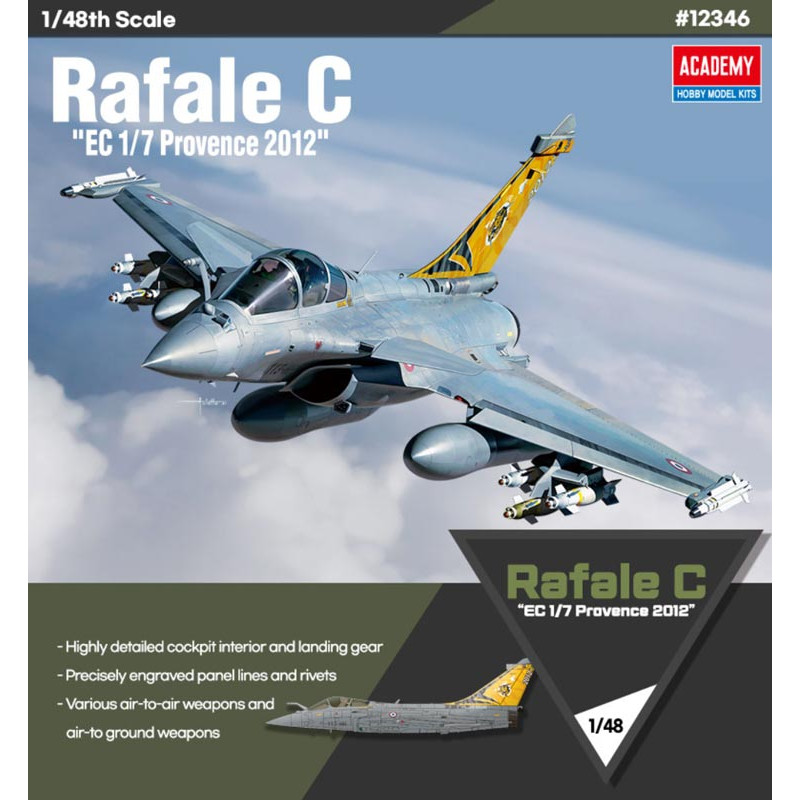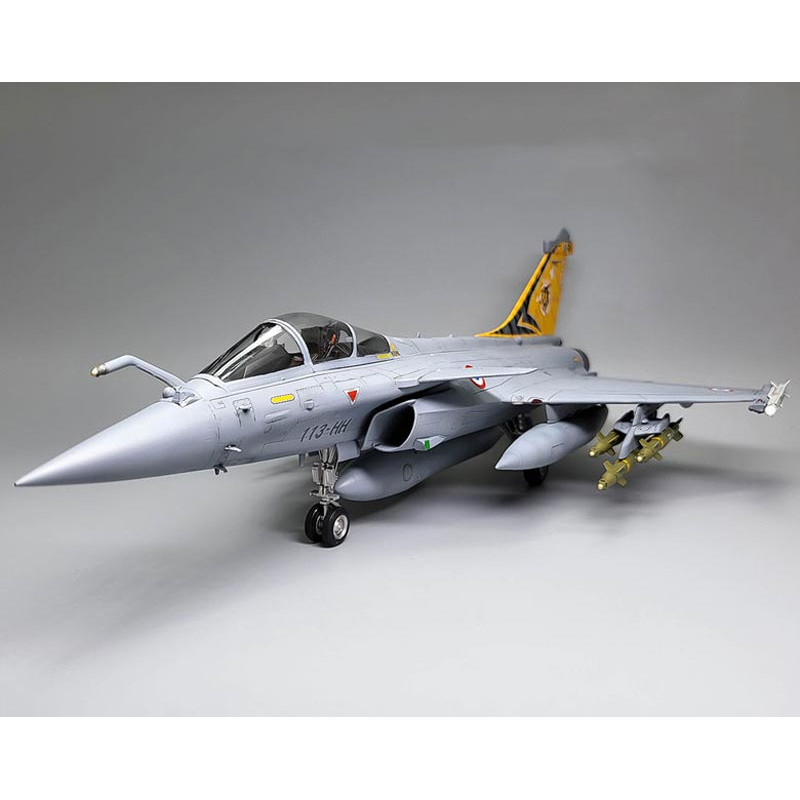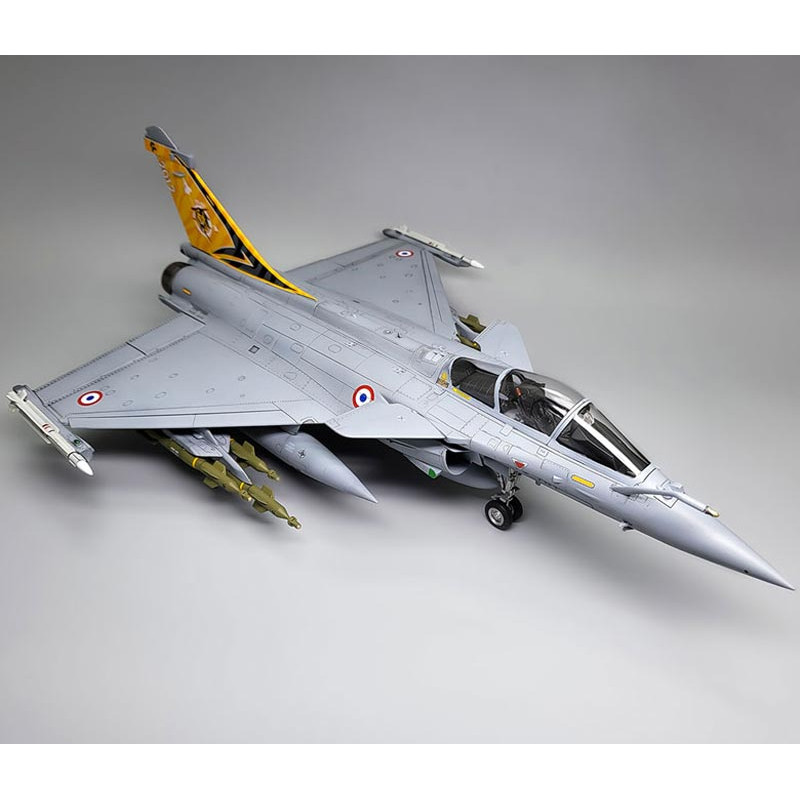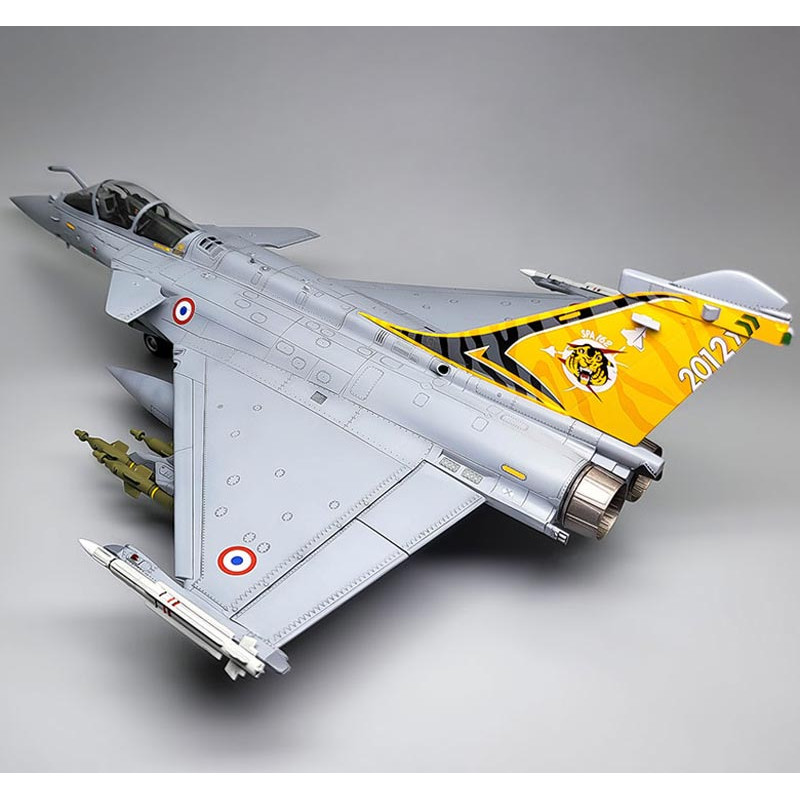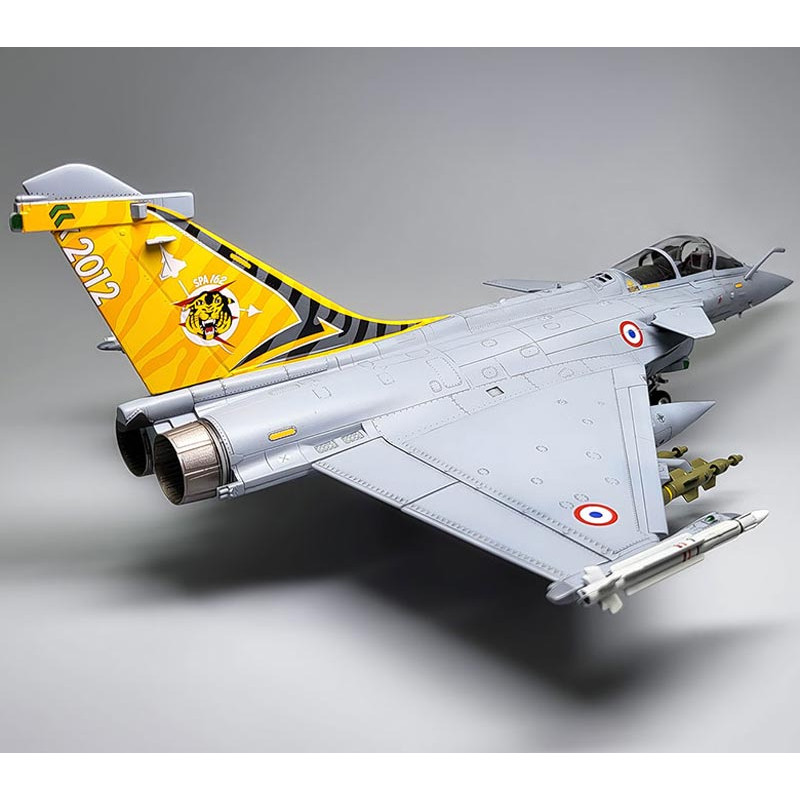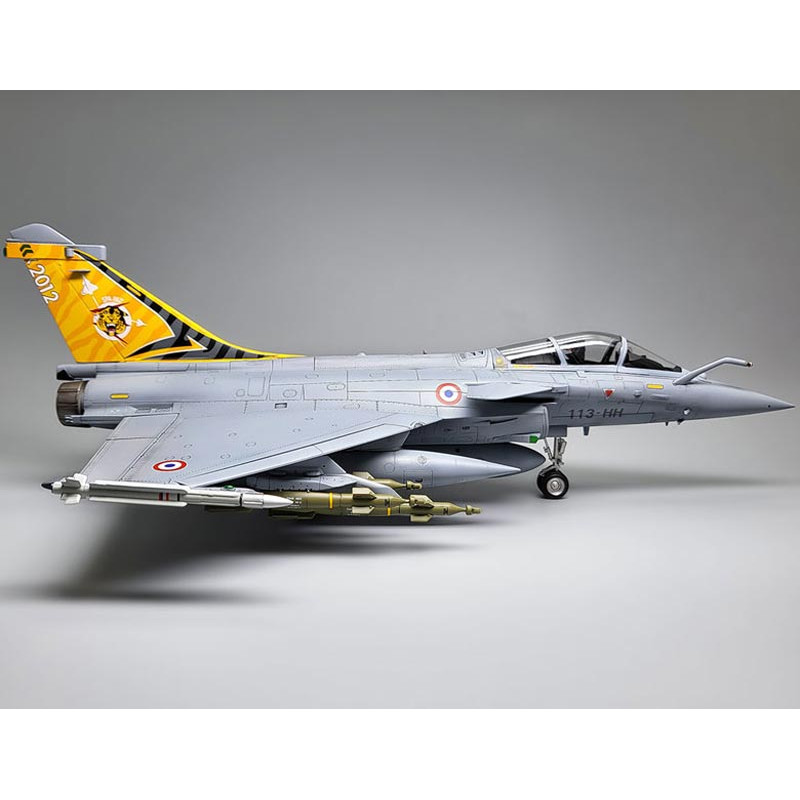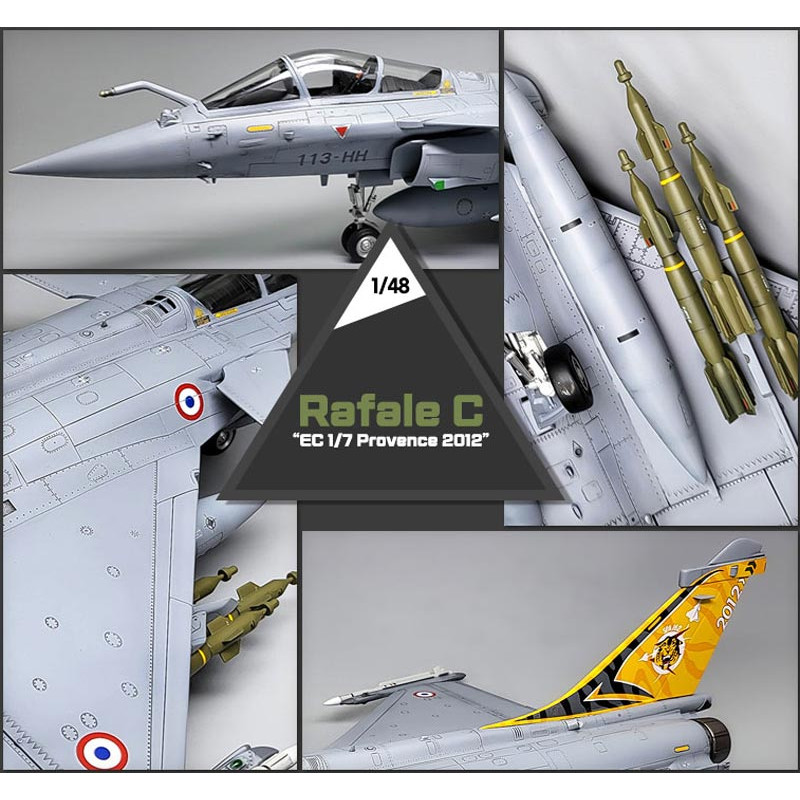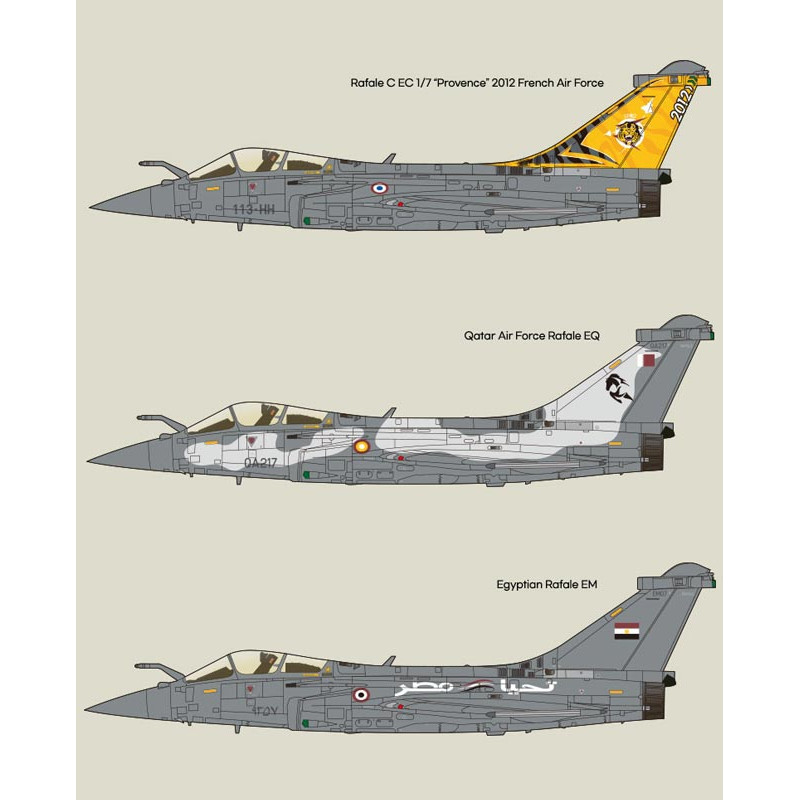
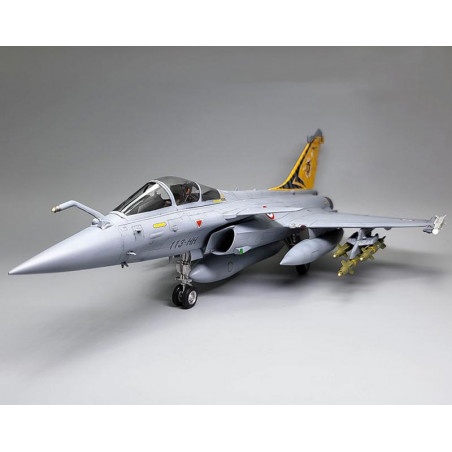
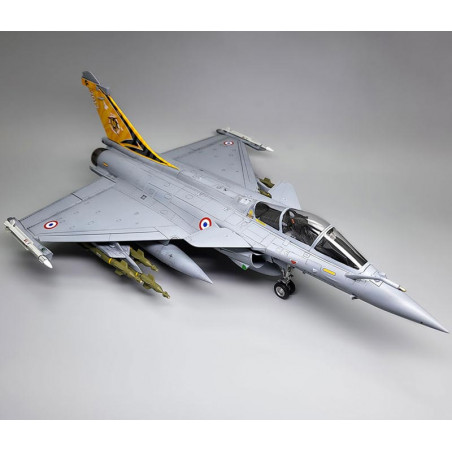
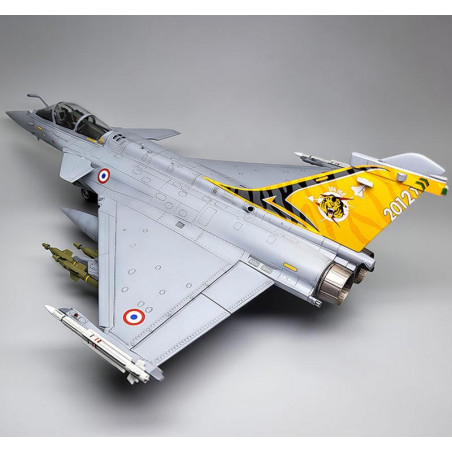
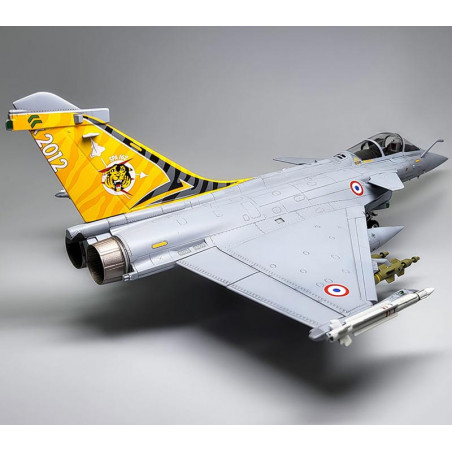
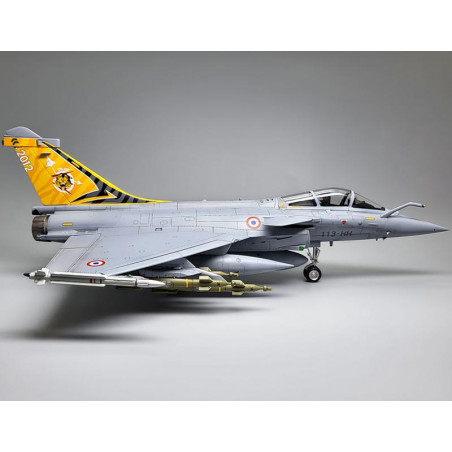
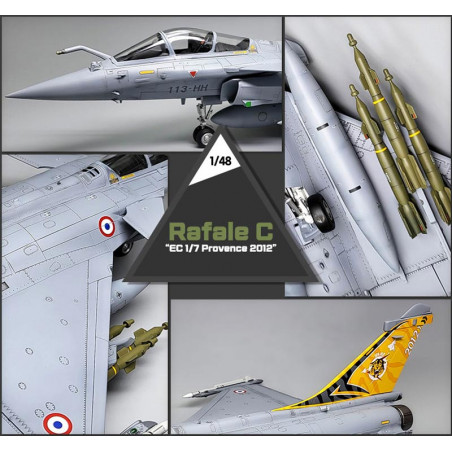
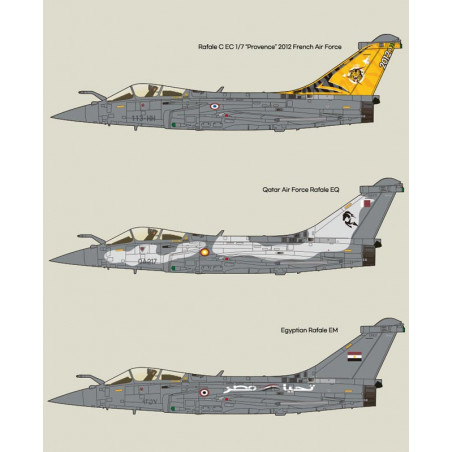
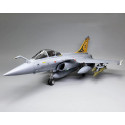
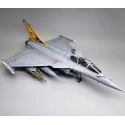
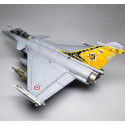
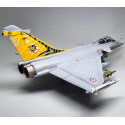
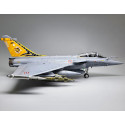
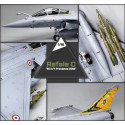
In 2012, the Rafale C equips notably the EC 1/7 Provence fighter squadron, a prestigious unit of the French Air and Space Force based at Air Base 113 in Saint-Dizier-Robinson.
Although the squadron bears the name "Provence," it is not stationed in Aix-en-Provence but at this strategic base located in eastern France, which is one of the main operational centers of the Rafale.
The EC 1/7 Provence is one of the first units to have received the Rafale in its single-seat Rafale C version. In 2012, the squadron actively participates in air defense missions and external operations conducted by France.
The aircraft of this unit are regularly deployed in international exercises and real operations, demonstrating the versatility of the Rafale.
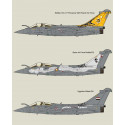
For enthusiasts of Rafale C aircraft models, the livery of the EC 1/7 Provence in 2012 is an interesting subject.
The squadron's specific markings, combined with the typical gray camouflage of the Rafale, allow for the reproduction of an aircraft representative of modern French aviation operations.

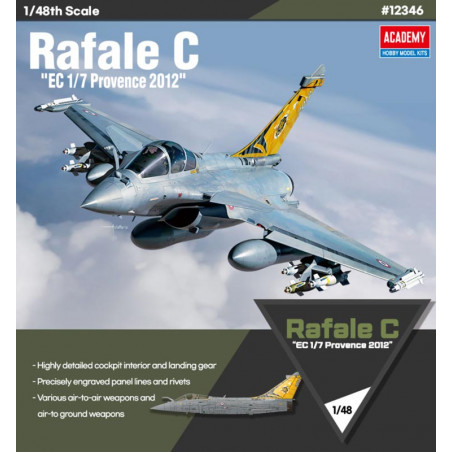
Model of Rafale C "EC 1/7 Provence 2012" 1/48 scale plastic airplane
Plus de detailsModel of Rafale C "EC 1/7 Provence 2012" 1/48 scale plastic airplane
Fast shipping
Via Chronopost 24H
Via DPD 24/48H
Colissimo 48/72H
329673 products in stock
Real-time stock displayed
Secure payment




Secure payment
In 3 or 4 installments

 4.6/5
4.6/5

Specialist since 1955
Fast shipping
Via Chronopost 24H
Via DPD 24/48H
Colissimo 48/72H
329673 products in stock
Real-time stock displayed
Secure payment
Secure payment
In 3 or 4 installments
4.6/5
Specialist since 1955
When I am interested in Rafale plastic airplane models to assemble, I immediately think of this iconic aircraft designed by Dassault Aviation.
The Rafale is today one of the most advanced fighters developed in Europe, and reproducing this airplane as a model allows to discover, on a small scale, all the sophistication of French military aeronautics.
The Dassault Rafale is a versatile combat aircraft designed in France to meet the needs of the French armed forces.
Its development dates back to the 1980s, at a time when the objective was to modernize military aviation and gradually replace several types of aircraft then in service in the Air Force and Navy.
The idea was simple but ambitious: to create an aircraft capable of assuming a wide variety of missions on its own, whether it be air superiority, ground attack, reconnaissance, or even nuclear deterrence.
It is in this context that the Rafale was born, a fighter of the so-called 4++ generation, designed to be extremely versatile. The aircraft is often described as an "omnirole" aircraft, as it can perform different missions during the same sortie.
This impressive capability explains why it has gradually replaced several French military aircraft.
When I look at the Rafale, I immediately notice its very distinctive configuration. The aircraft adopts a delta wing architecture combined with canard wings located at the front of the fuselage. This combination gives it an immediately recognizable silhouette, but above all remarkable aerodynamic qualities.
The Rafale is powered by two Snecma M88 afterburning turbofan engines. This propulsion system allows it to reach very high speeds while maintaining excellent maneuverability. The fully electric flight controls also contribute to this agility, providing the pilot with exceptional precision in flying.
In certain air demonstrations, the aircraft is capable of withstanding particularly high g-forces, allowing it to perform spectacular maneuvers. For aviation enthusiasts, these performances largely explain the aura surrounding this aircraft.
The Rafale can reach a maximum speed close to Mach 1.8, while being able to maintain supersonic speed in cruise in certain configurations. It also has a significant payload capacity, able to carry several tons of weapons or equipment on its external hardpoints.
When I discover the variants of the Rafale, I quickly understand that this aircraft has been developed to meet the specific needs of the different French armed forces.
The first version is the Rafale C, a single-seat model intended for operations from air bases. It is often this version that is found in Rafale airplane model kits to build, as it represents the classic fighter used by the Air Force.
There is also the Rafale B, a two-seater version with two seats in tandem. This model is used for training, but also for certain operational missions requiring two crew members.
Finally, there is the Rafale M, designed for operations on aircraft carriers. This variant has several specific adaptations, including a reinforced landing gear and an arrestor hook for operations on a ship's deck.
These different versions bring real diversity to the world of modeling. Depending on the chosen kit, you can replicate a land-based fighter or an aircraft intended for naval aviation.
The Rafale officially entered into service in the early 2000s. Since that time, it has become one of the cornerstones of the French military aviation.
Over the years, many units have been delivered to the French armed forces, distributed between the Air Force and the Navy. The aircraft has gradually replaced several older planes, helping to modernize the entire combat fleet.
Beyond its use in France, the Rafale has also been offered to several countries for export. Discussions and negotiations with various international partners have helped enhance the reputation of this aircraft on the world stage.
A particularly interesting aspect of the Rafale is its naval version. The Rafale M was designed to operate from aircraft carriers, which imposes significant technical constraints.
Simulations during development showed that the aircraft could operate on different types of aircraft carriers, including those equipped with a ski-jump. This capability enhances its versatility and explains why it is considered one of the most comprehensive combat aircraft of its generation.
When I come across a Rafale C model to assemble, I immediately see why this aircraft inspires modeling enthusiasts so much. Its modern silhouette, sleek lines, and military equipment make it a particularly captivating subject.
Assembling a Rafale model allows you to recreate, on a small scale, an aircraft that represents the excellence of French aeronautical engineering today. Every piece, every detail of the cockpit or armament contributes to faithfully reproducing this iconic combat aircraft.
For aviation and modeling enthusiasts, building a Rafale model is not just a technical project.
It is also a way to rediscover the history and performance of a fighter that holds a significant place in contemporary military aviation.
Customers who bought this product also bought: